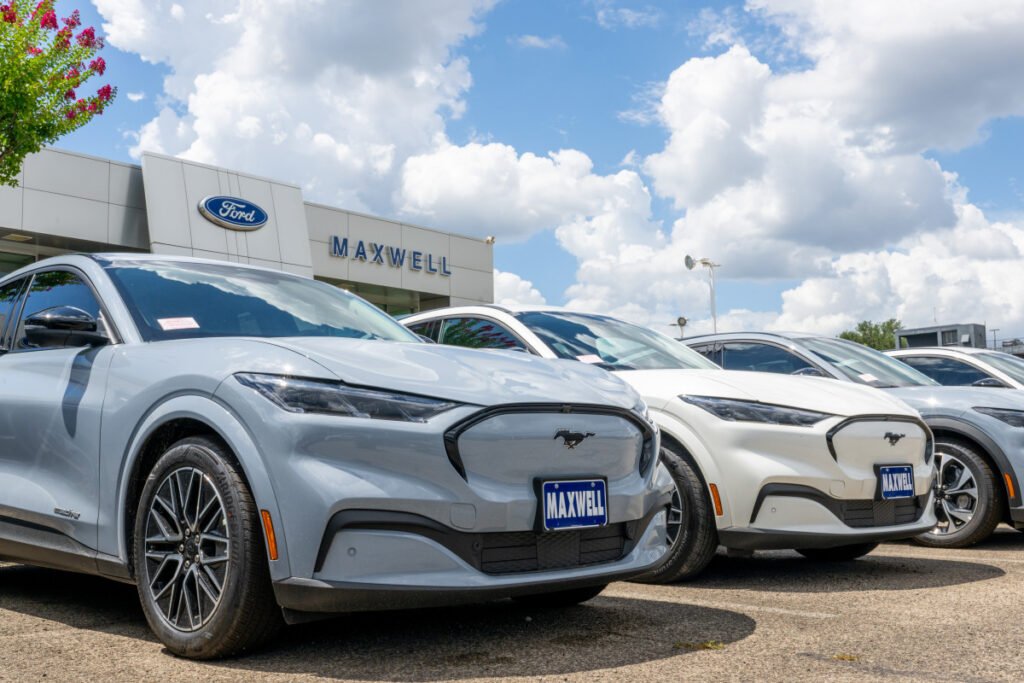
It’s never a good sign when a company’s financial results draw comparisons with the Great Recession of 2008, but that’s exactly what surfaced from Ford’s latest quarterly earnings.
The Q4 2025 earnings were the company’s worst in four years, while the net loss of $8.2 billion for the entire 2025 calendar year is its largest since the 2008 recession, according to FactSet (via CNBC).
Perhaps the fourth-quarter net loss of $11.1 billion should be more worrying, though it included $15.5 billion in special charges during the quarter largely related to a previously announced shift from EV plans that Ford estimated to cost a total of $19.5 billion in 2025.
Ford Model E EV Unit Lost $4.8 Billion In 2025
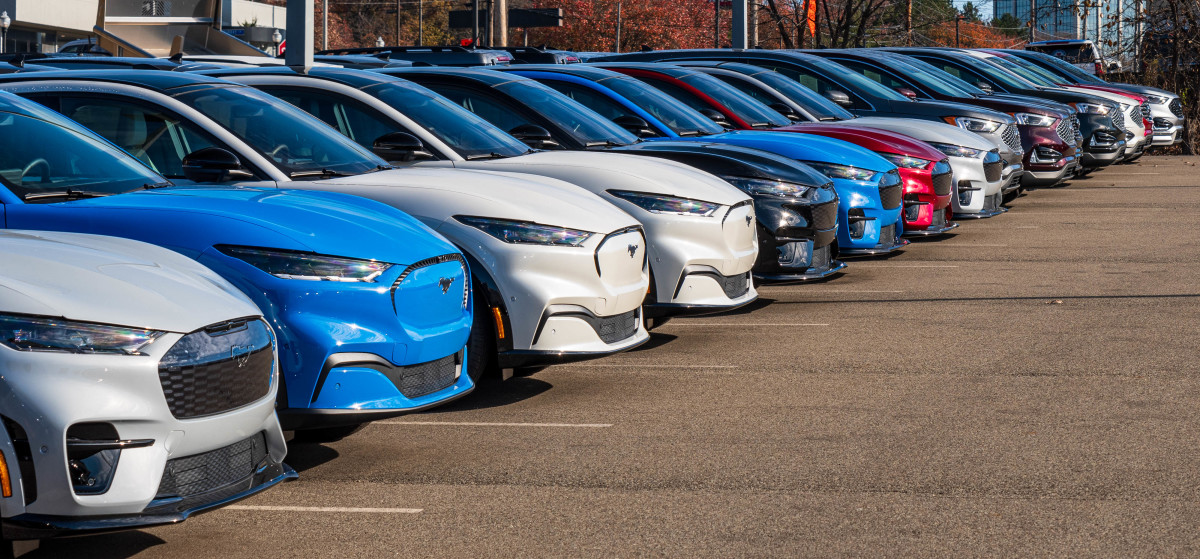
As you probably guessed by now, much of the annual loss can be attributed to Ford’s Model E electric vehicle division, which lost $4.8 billion in 2025. EV sales suffered and Ford had to shelve previous electrification plans following the Trump administration’s cancellation of the $7,500 federal EV tax credit last year and the rollback of stringent fuel economy standards that favored EVs.
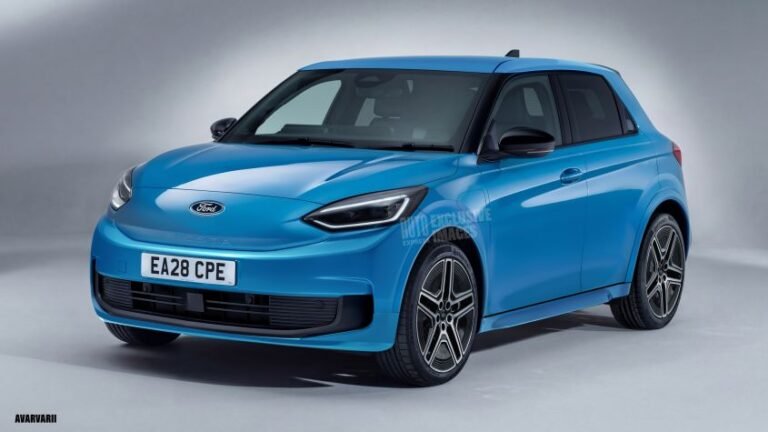
This triggered a repositioning from the automaker, which said it would pivot from full electrification to partial electrification, investing more in producing profitable gas-powered and hybrid vehicles and smaller, more affordable EV models.
The company also announced in December a major reduction of its EV plans, which included killing off the F-150 Lightning all-electric pickup and canceling future EV models such as the next-generation F-150 Lightning, a three-row SUV and a next-generation commercial van.
U.S. Tariffs, Aluminum Supplier Plant Fire Also Affected Ford’s Bottom Line
Ford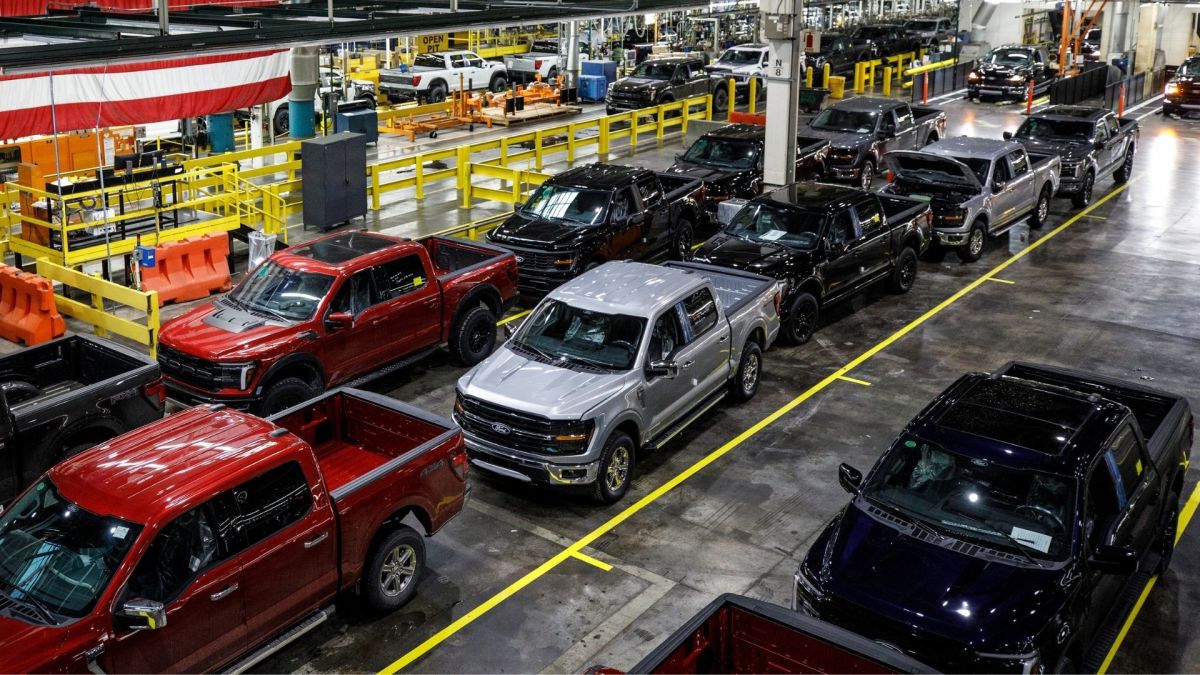
But the EV slowdown was not the only negative factor for Ford in 2025. The automaker also took a significant hit from U.S. tariffs. CEO Jim Farley said on the earnings call that Ford spent double what it had expected on tariffs in 2025–roughly $2 billion–due to “the unexpected and late year change in tariff credits for auto parts.”
On top of that, the fire at aluminum supplier Novelis’ plant in Oswego, New York, cost Ford $2 billion during the second half of 2025, Ford chief financial officer Sherry House said. That’s because the disruption affected production of some of Ford’s best-selling, high-margin vehicles, such as the F-150 and F-Series Super Duty trucks, as well as Expedition and Lincoln Navigator SUVs. In total, the disruption resulted in lost production of around 90,000 to 100,000 vehicles.
Ford Has Reasons To Be Optimistic For 2026
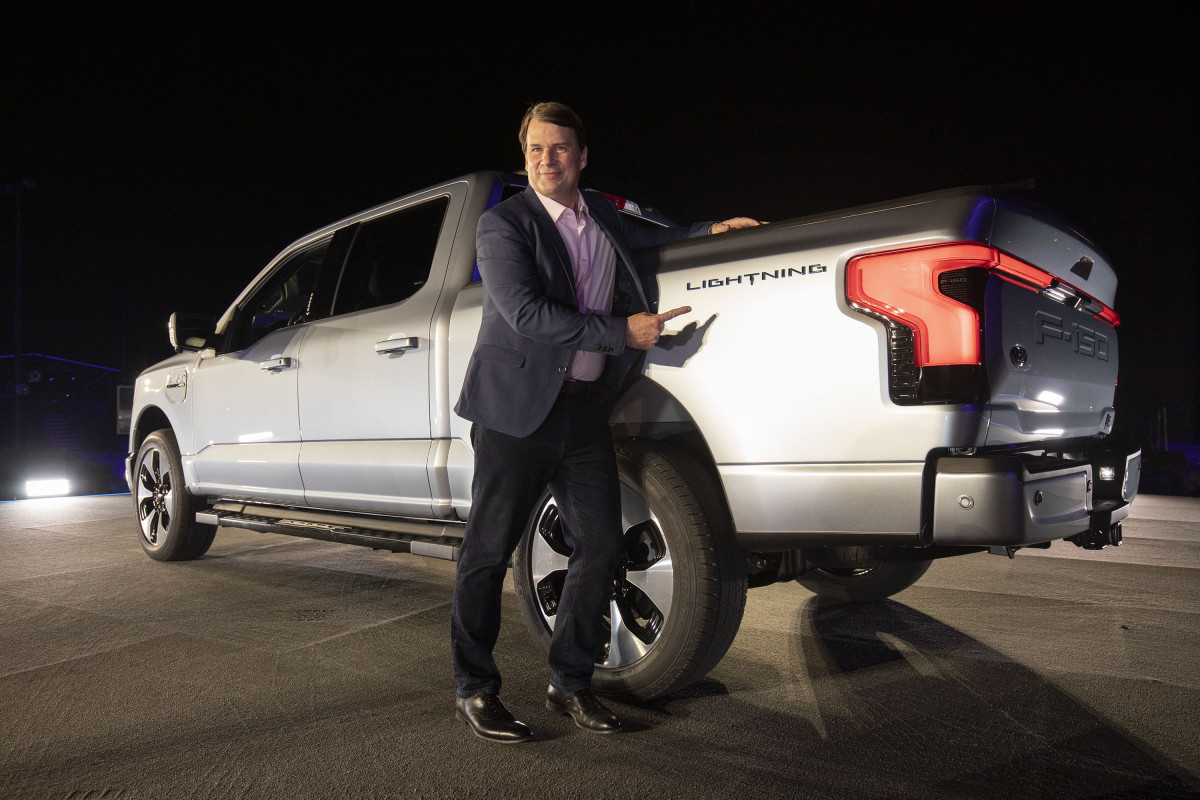
Despite the huge annual net loss as well as the tariff and aluminum plant fire bills, Ford’s quarterly revenue of $45.9 billion ($187.3 billion for the full year) beat analysts’ expectations, and executives said they are forecasting a profit of up to $10 billion this year, reversing the 2025 decline, along with a reduction in losses for the EV business.
“Improvements in our industrial system, a robust product roadmap that leverages our core strengths, and a disciplined approach to capital efficiency will drive even stronger results in 2026 and beyond,” Ford CFO Sherry House said in a statement.
The company delivered “a strong 2025 in a dynamic and often volatile environment,” said Ford CEO Jim Farley. “We improved our core business and execution, made significant progress in the areas of the business we control – lowering material and warranty costs and making real progress on quality – and made difficult but critical strategic decisions that set us up for a stronger future,” he added.