Filling up in Pennsylvania has always felt like navigating localized tax pitfalls, but the start of 2026 has brought a fresh set of headaches for drivers in the Keystone State. While national gas prices have fluctuated, Pennsylvania has seen a steady climb over the past month or so, causing many commuters to do double-takes. Between lingering effects of a harsh winter and the state’s notoriously high fuel taxes, the cost of a gallon of gas keeps rising.
In some areas, local tax rates spike to over 60 cents. That’s not the only culprit, of course. Location matters, and, like many other states, Pennsylvania is experiencing supply chain disruptions. In a state where $3.00 per gallon is increasingly becoming the floor rather than the ceiling, drivers are asking why.
Gas taxes and infrastructure fees
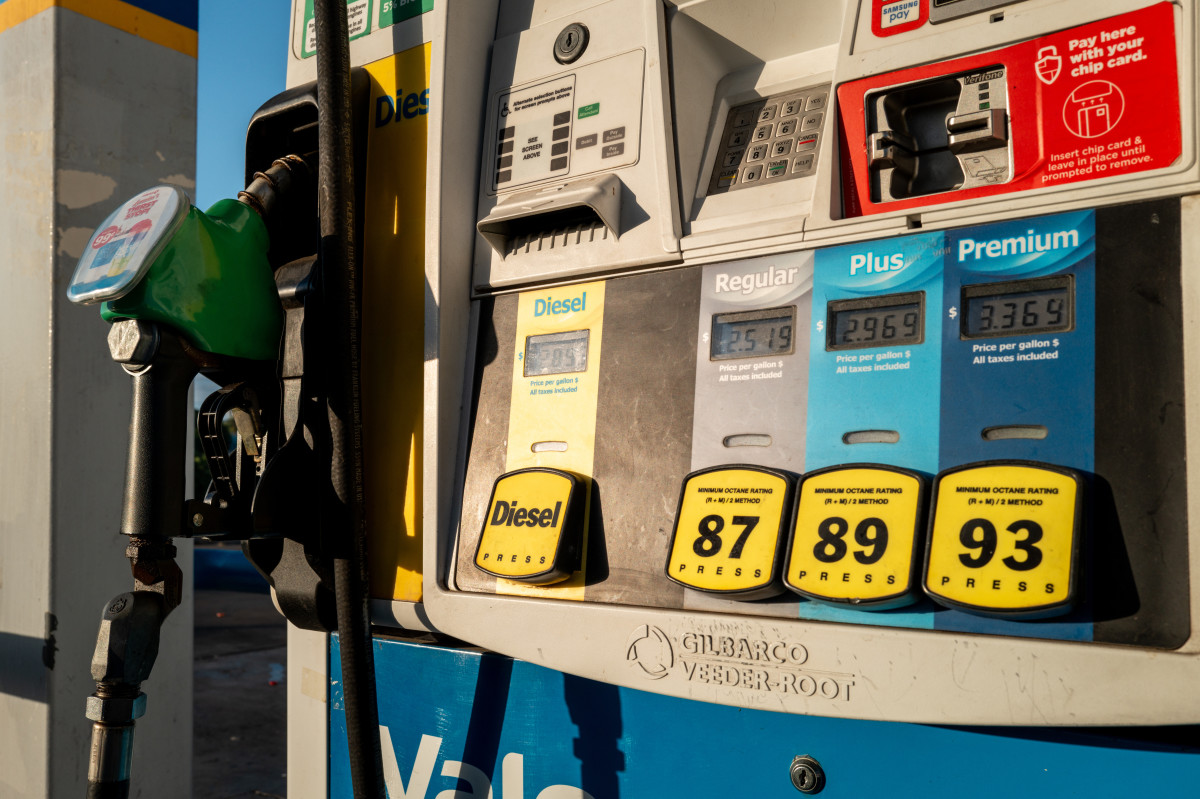
Pennsylvania consistently ranks among the highest states for gas tax in the country. The state’s liquid fuels tax currently sits at 57.6 cents per gallon, but that’s only part of the story. When you factor in additional environmental and infrastructure fees, the tax burden moves closer to the 60-cent range. Unlike states where tax changes require a legislative showdown, Pennsylvania’s system is designed to adjust based on wholesale gas prices, creating a floor that ensures the state collects billions of dollars for road and bridge repairs regardless of crude oil prices.
This tax load creates a permanent price gap between Pennsylvania and neighboring states, such as Maryland or Ohio, often by as much as 20 to 30 cents. When you add the 18.4-cent federal tax on top of the state’s cut, nearly 76 cents of every gallon of gas you buy is going to the government before the gas station even sees a dime. For residents seeing a 60-cent year-over-year swing in specific regions, the tax structure is a multiplier that prevents local prices from ever feeling truly cheap.
Related: The 5 cheapest gas stations in Chicago, today
Winter storms and refinery hiccups
February 2026 has not been kind to the East Coast energy grid. A series of severe winter storms forced several regional refineries into unplanned maintenance. When temperatures drop, equipment used to process crude oil into gasoline may go offline for safety reasons, immediately tightening the local supply. These disruptions, combined with pre-storm rushes to fill up, created the perfect environment for the 10-cent pricing pop we saw in late January.
Refineries are also entering a turnaround season, during which they perform scheduled maintenance to prepare for the switch to summer-blend gasoline. This transition presents logistical issues, including purging winter-grade stocks to meet EPA smog requirements. This process inherently reduces output and drives up costs. Because Pennsylvania relies on a complex network of pipelines and storage facilities that are sensitive to these seasonal shifts, the price at the pump often reflects these turnarounds weeks before the first warm spring day actually arrives.
How bad is it in Pennsylvania?
If you’re driving in or around Philadelphia, the forecast for the next few months isn’t particularly sunny for your bank account. As we move deeper into the spring of 2026, refineries are beginning the mandatory switch to summer-blend gasoline, a more complex and expensive formula designed to reduce evaporative emissions during the heat. GasBuddy’s recent data suggests this transition typically adds another 12 to 15 cents per gallon to the retail price in the Northeast corridor. Because Philadelphia relies on a specific “boutique” blend to meet local air quality standards, the city often sees these spikes earlier and more sharply than the central part of the state.
The outlook for the Philadelphia metro area through May 2026 suggests that the current average of $3.11 is the lull before a spring peak. Analysts expect the regional average to flirt with the $3.35 mark before any meaningful relief arrives in late June – if it even comes. While the statewide trend has been a 60-cent climb over the last twelve months, Philly’s urban density and supply chain bottlenecks suggest greater volatility. For those in the city, the “relief” may be a mid-summer plateau.
For Erie residents, a 60-cent jump this year has been particularly jarring because the region doesn’t have the same relief options as those living near the Ohio line. The current $3.31 price reflects regional supply tightening following the winter storms that hit the Great Lakes earlier this month.
Disclaimer: All prices cited in this article are based on publicly available user-generated feedback. Gas stations do not provide daily reports on gas prices, and prices can change at any time. Autoblog is not responsible for the accuracy of pricing listed with user-generated reporting.
Related: Gas prices in California are flirting with $5/gallon today – here’s why