A Truck That Exists Only in Theory
Genesis has admitted it flirted with an early design and feasibility work on a pickup, but the brand’s leadership says the timing simply isn’t right. Speaking to Australia’s Drive, Chief Creative Officer Luc Donckerwolke has openly described the project as something that was explored and then shelved, noting that a truck doesn’t fit comfortably within Genesis’ current luxury-first identity. The brand remains focused on shoring up its sedan and SUV line-up, plus performance-leaning Magma variants, rather than stretching into a segment defined by utility and workhorse expectations.
Still, Genesis refuses to call it a permanent “no.” Executives regularly add a soft qualifier: “Maybe — why not?” That phrasing matters. It signals that while the brand isn’t actively developing a truck, the concept lives in a holding pattern, ready to be revisited if market conditions or brand direction shift. In a world where luxury pickups continue to grow in popularity, leaving the door cracked open is a strategic move.
Cole Attisha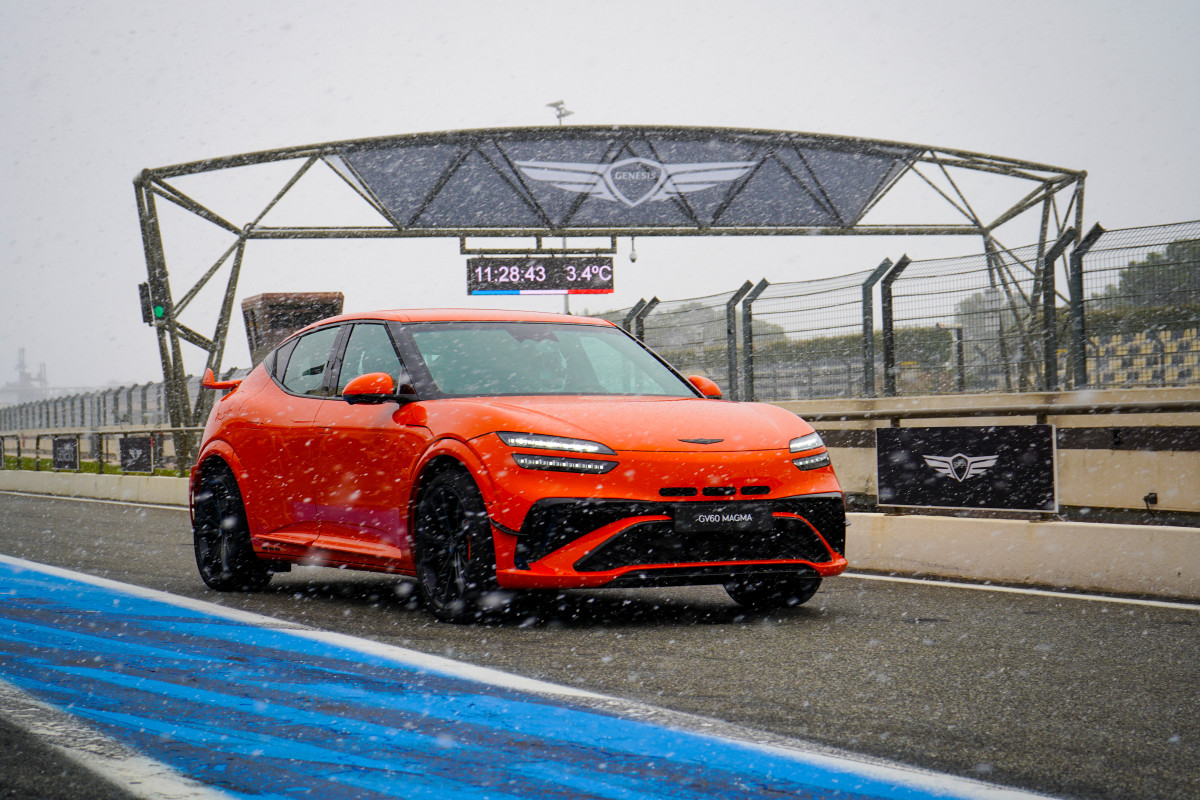
Brand Image vs. Segment Reality
The biggest roadblock is philosophical, not technical. Genesis has spent its young life carefully crafting a premium aesthetic around refinement, electrification, and performance, not ruggedness. A pickup, even a luxurious one, risks diluting that identity, especially in markets where the brand is still building recognition. This tension explains why Genesis is cautious: a truck would need to feel authentic to its “Athletic Elegance” design language, not like a badge-engineered diversion.
Yet the competitive landscape keeps evolving. With luxury brands experimenting more boldly in traditionally utilitarian spaces, Genesis cannot ignore the possibility that high-end trucks may eventually become a core profit driver.
Kia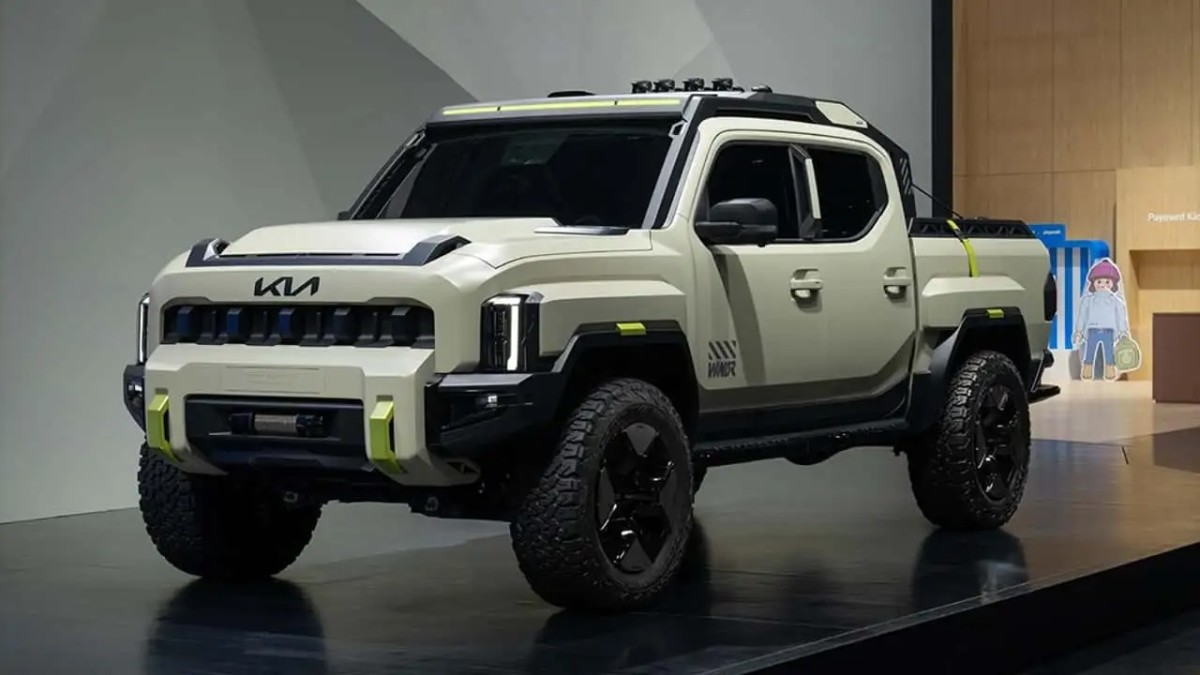
The Kia Tasman Factor and an Unusual Advantage
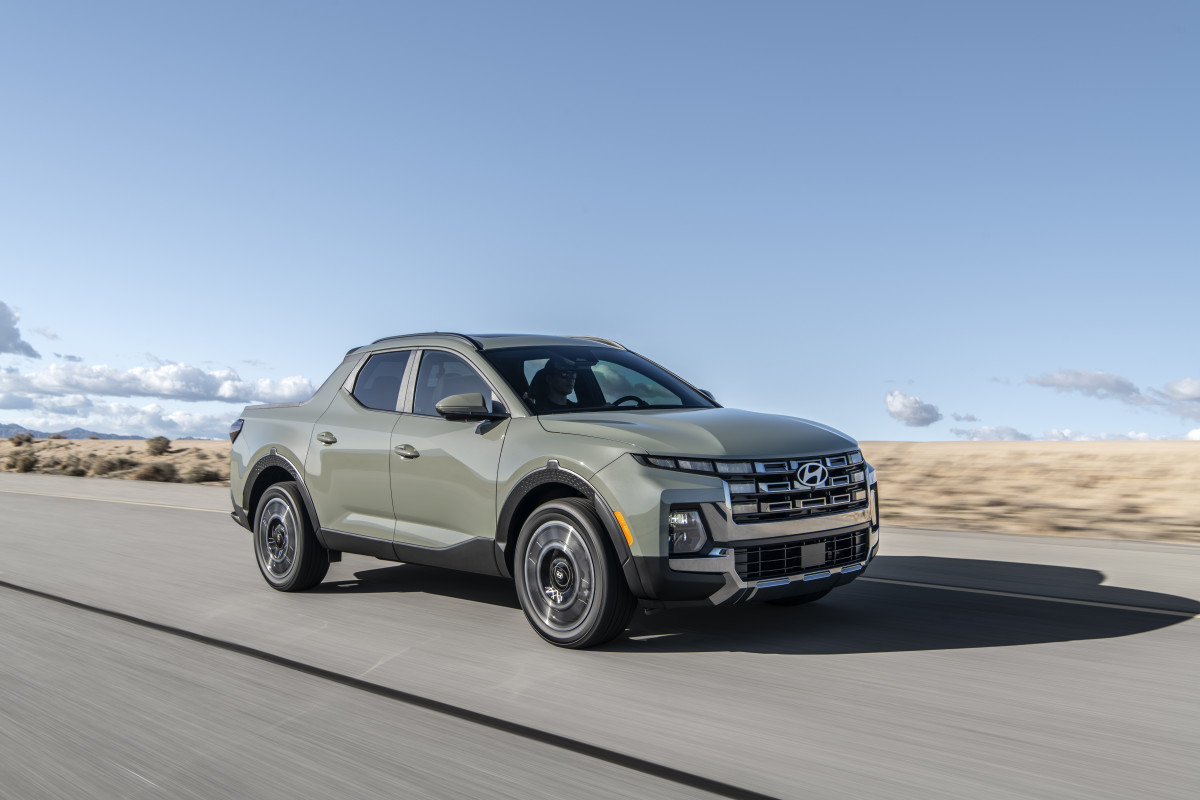
If Genesis someday gives the green light, it won’t be starting from scratch. Its corporate siblings already offer two viable foundations: the body-on-frame Kia Tasman, designed for the mainstream dual-cab truck market, and the monocoque Hyundai Santa Cruz, a lifestyle-oriented pickup sharing architecture with crossovers. This combination gives Genesis rare flexibility.
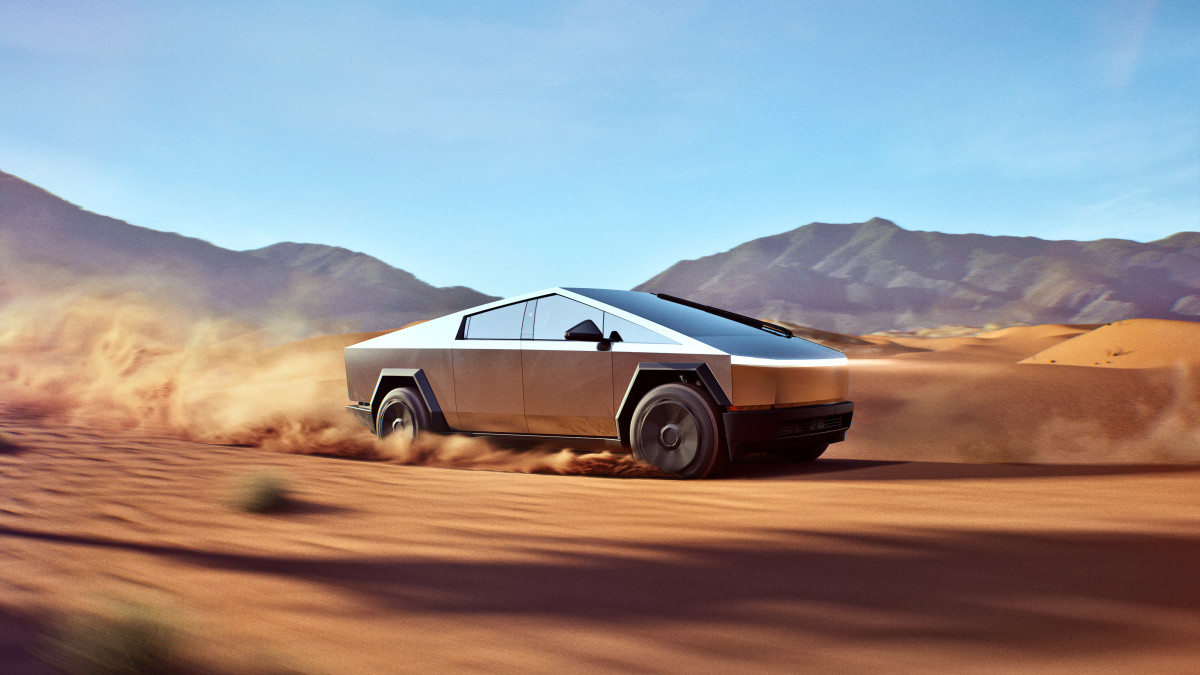
This infrastructure also dramatically lowers development costs. Instead of engineering an all-new pickup platform, Genesis could simply adapt an existing ladder-frame or unibody blueprint, applying its own design, materials, and cabin technology. In other words, the hardware exists, the styling talent exists, and the market interest exists. They could pursue either a rugged, tow-capable luxury truck or a more urban, comfort-centric premium product, much like the Tesla Cybertruck
Outlook: Slim, but Never Zero
Today, the probability of a Genesis truck remains low. The brand’s priorities lie elsewhere, and the leadership seems genuinely cautious about stretching too far too soon. But unlike most luxury newcomers, Genesis sits within a group that already has all the tools it needs.
If future market pressure nudges the brand toward more adventurous segments, a Genesis pickup could move from “not now” to “we’re ready.”