Genesis’ Flagship of Flagships
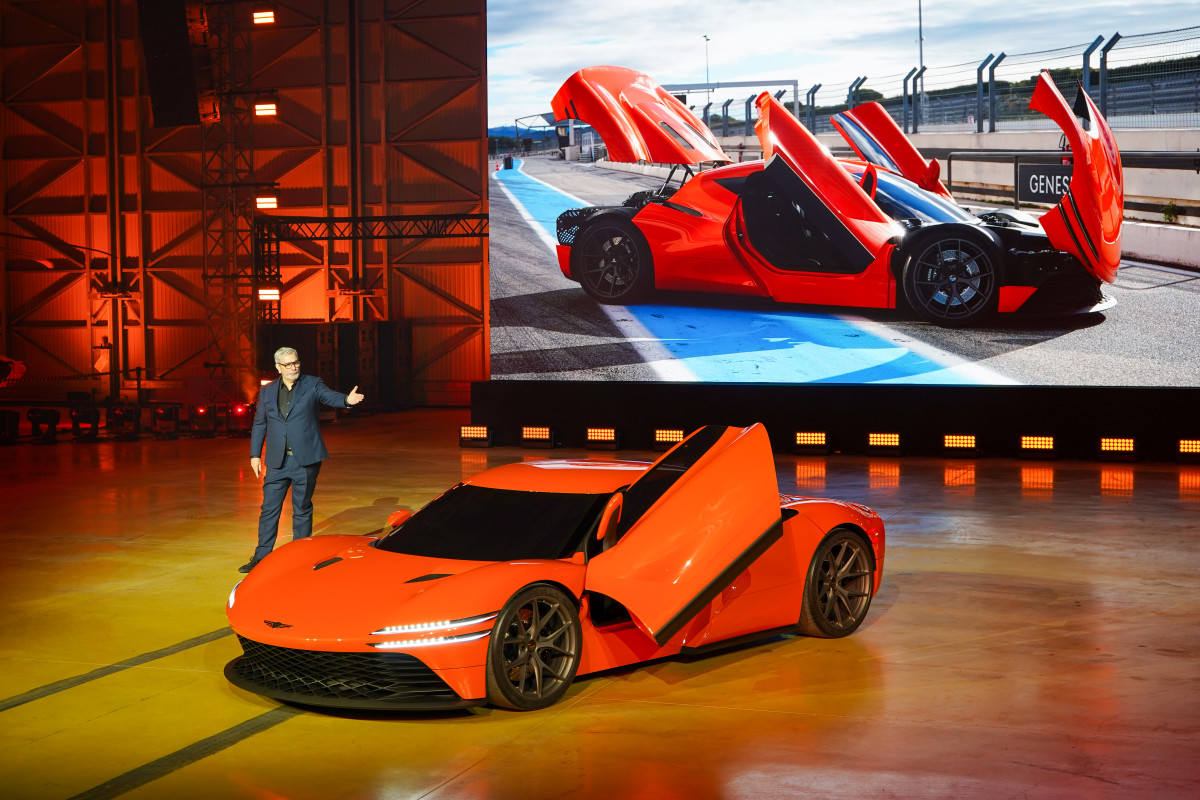
Genesis is about to do something that would have seemed unlikely just a few years back: build a mid-engine supercar to top its luxury range. The Magma GT, as it’s called, isn’t just another concept or a one-off showpiece. It’s set to go into production before the decade is out, and Genesis is treating it as a real cornerstone for the brand, not just a headline grabber.
The real twist is how long Genesis plans to keep the Magma GT around. Rather than a one-generation halo car, Genesis is aiming for a run of up to 14 years. That’s straight out of the Lamborghini playbook, where a single platform gets refined and updated over a decade or more. For Genesis, the Magma GT is supposed to anchor the new Magma performance sub-brand and show it’s serious about joining the top tier.
Cole Attisha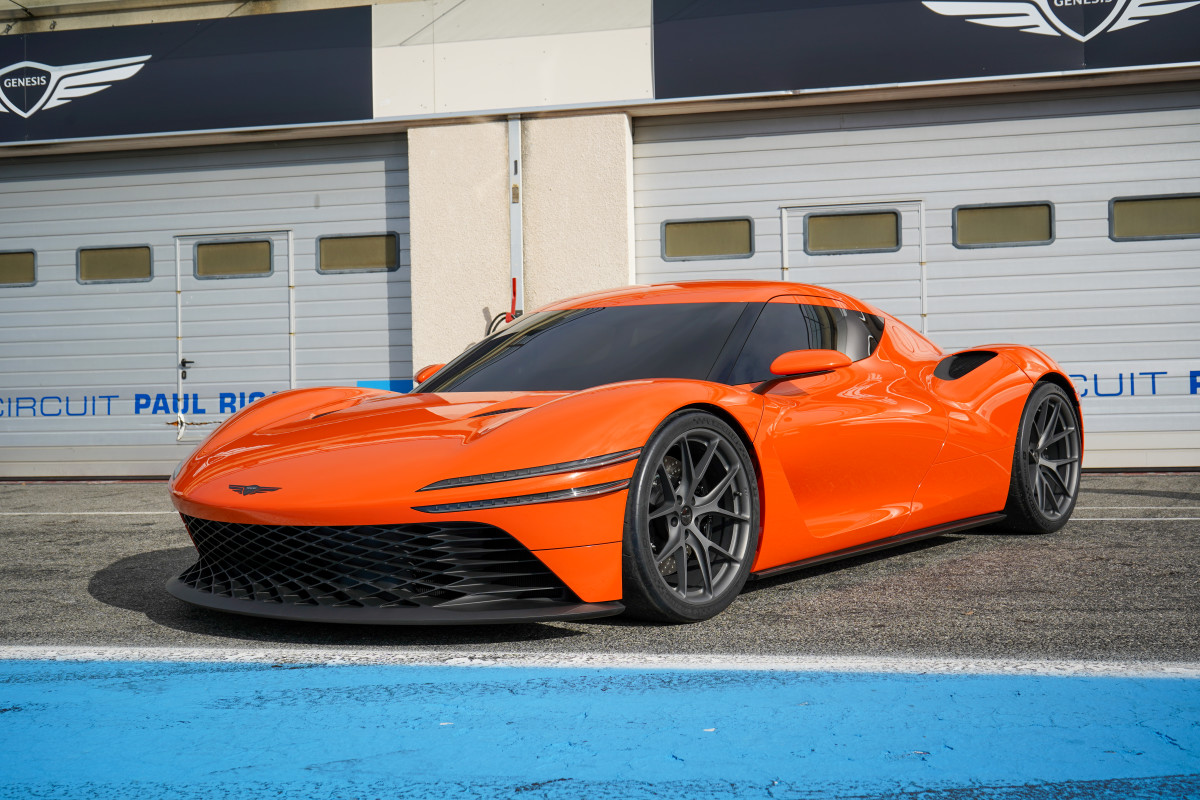
Borrowing from Lamborghini’s Playbook
This long-term approach comes straight from Luc Donckerwolke, Genesis’ chief creative officer, in an interview with CAR Magazine. He’s been at Lamborghini before, so he knows how supercars work as a business.
He says it’s not about reinventing the car every few years. The key is rhythm: start with a base model, introduce derivatives, then give it a big update halfway through, and keep the cycle going.
“You launch the base car, then do an S, and a GT3, and do a roadster. Then you give the car a big midlife facelift and do it again. It’s not rocket science,” Donckerwolke said.
He points out that the Lexus LFA, while impressive, arrived after years of development and stood alone without a supporting lineup. Genesis wants the Magma GT to be different: part of a broader performance family, with road cars, racing efforts, and regular updates, not just a one-off.
Cole Attisha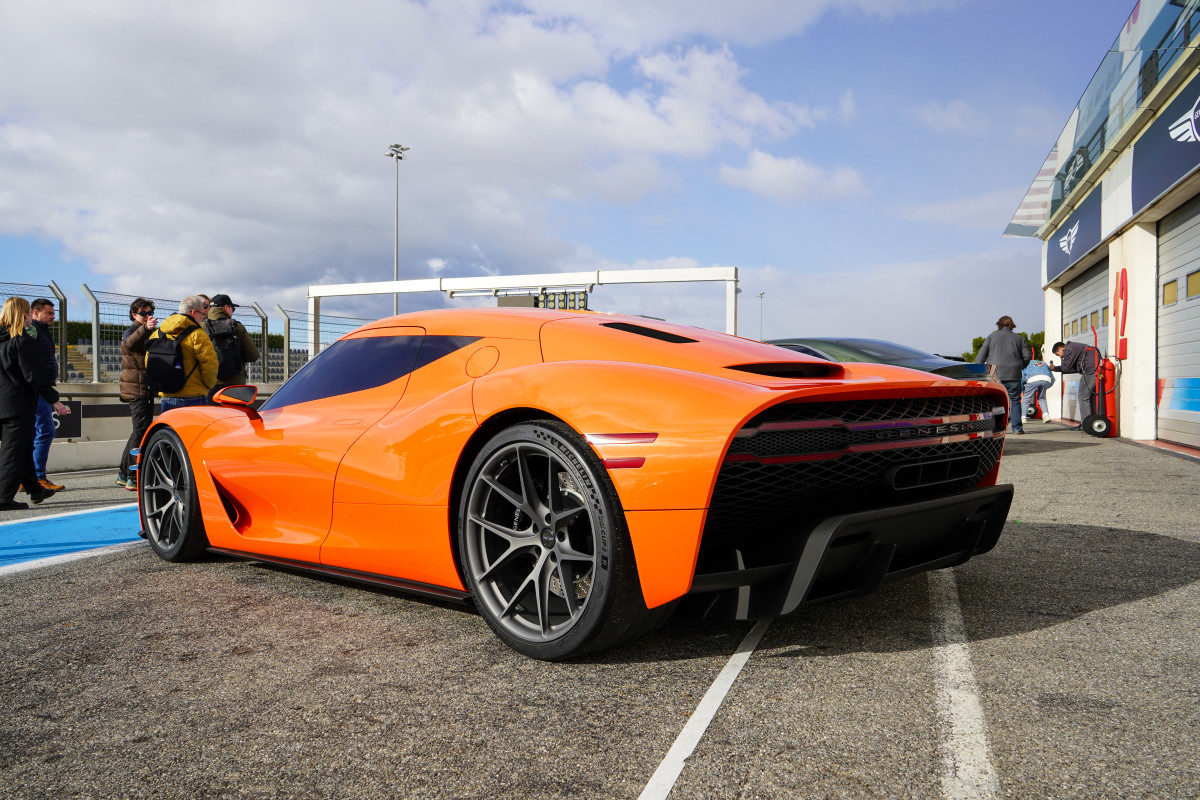
The Magma GT—So Far
Genesis hasn’t shared much about the specs yet, but the concept car gives away a few things. The Magma GT has the classic mid-engine shape, sharp aero, and an exhaust note that sounds like a V8. The look ties in with Genesis Magma Racing’s IMSA and endurance cars, making the connection between the road car and the race car clear.
Motorsport is a big part of the plan. Genesis wants to get the Magma GT into GT3 racing and sell cars to private teams, just like Ferrari and Porsche do. Cyril Abiteboul will run the program, and Hyundai Motorsport sees GT3 and WEC as more than just marketing – they’re ways to bring in and keep top engineers across the group.
Right now, the Magma GT is still a promise, not a finished car. But the way Genesis is approaching it shows it’s focused on long-term impact, not just making headlines.
Cole Attisha