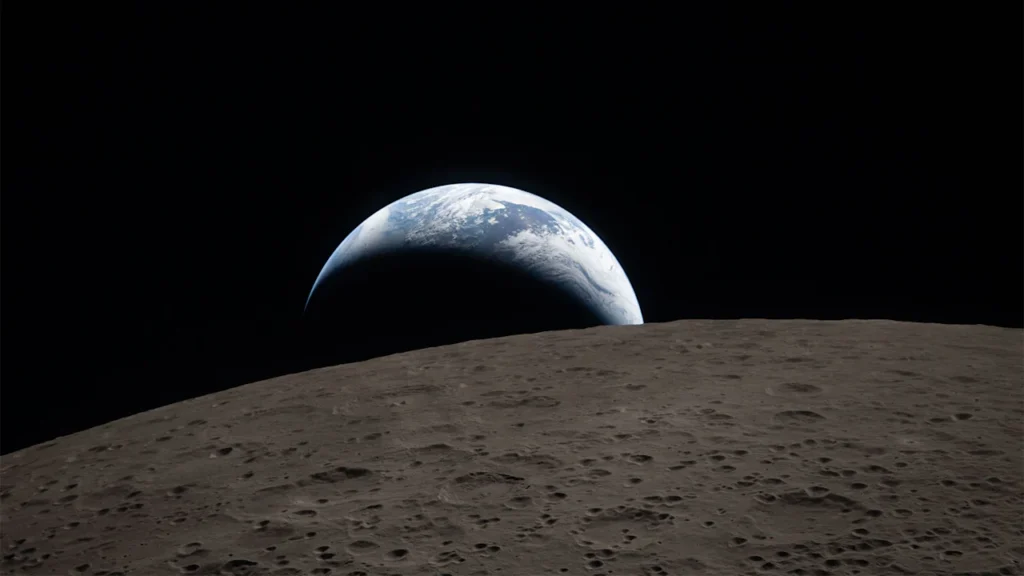
Yesterday, astronauts Reid Wiseman, Victor Glover, Christina Koch, and Jeremy Hansen became the first humans in over 50 years to see the far side of the moon.
Artemis II launched at 6:35 p.m. ET on Wednesday, April 1. The 10-day mission is a slingshot around the moon, paving the way for a moon landing with Artemis IV in 2027. (Artemis III, scheduled for 2026, will test out systems to land humans on the surface of the moon in orbit next year.)
While there are satellites around the moon, and rovers and landers on the lunar surface, unaided human eyes have not seen the moon’s surface details since Apollo 17 in 1972.
That changed on Monday, April 6.
The crew surpassed the distance record for the farthest humans have ever traveled from Earth at 1:56 p.m. ET. The previous record, 248,655 miles, was held by Apollo 13 astronauts Jim Lovell, Fred Haise, and Jack Swigert.
The lunar observation period, which is when the four forward-facing windows of Orion spacecraft were oriented toward the moon, began at 2:45 p.m. ET. (Normally the tail of Orion faces the sun to avoid cabin heating and to charge the solar panels).
The closest the capsule traveled to the moon’s surface was approximately 4,070 miles, and at that distance the moon appeared about the size of a basketball held at an arm’s length. Approximately 20% of the moon’s far side was lit during the flyby.
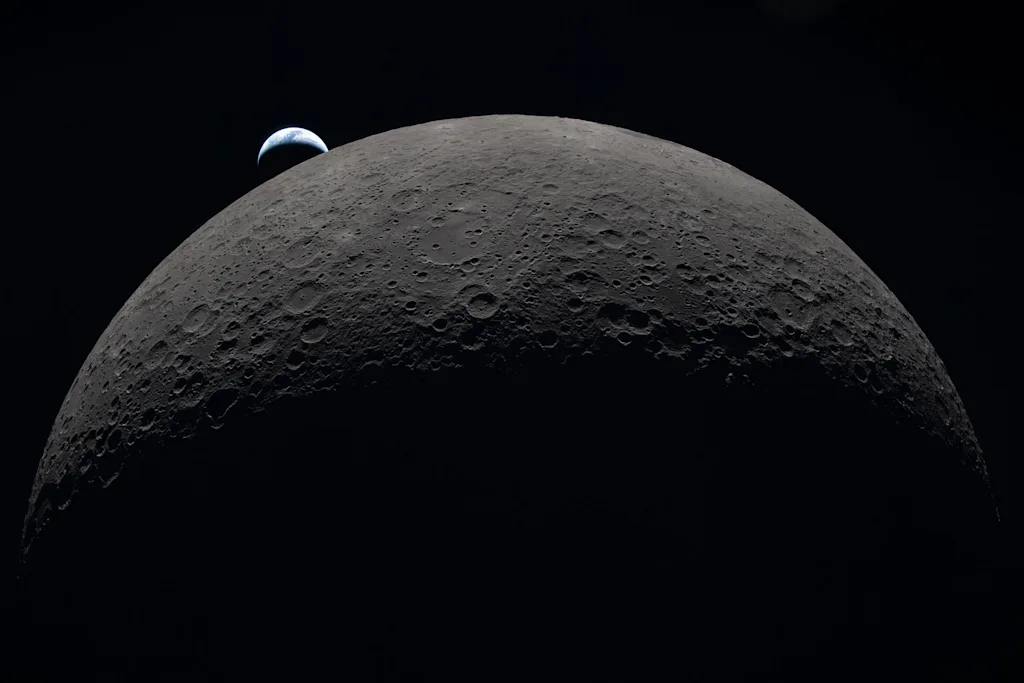
At 6:41 p.m., the crew snapped an “Earthset” photo, which is a companion to the iconic Earthrise photo taken by William Anders on Apollo 8 in 1968. The photo shows a brilliant blue Earth setting behind the gray lunar surface, as the astronauts head home.
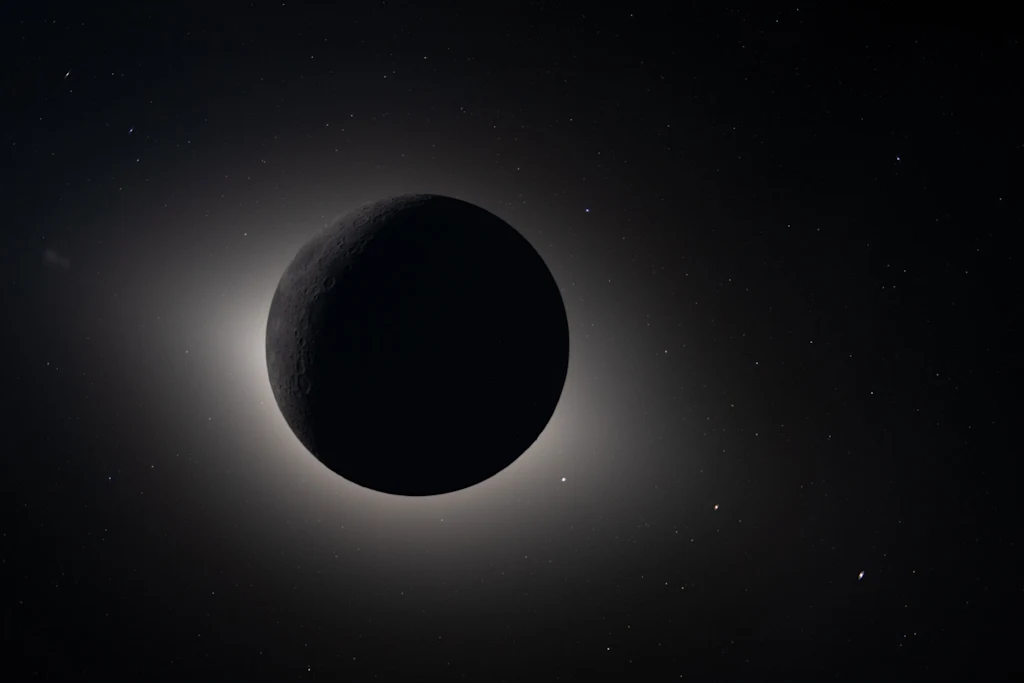
At 7:02 p.m., the crew reached their maximum distance from Earth, 252,756 miles, and at 8:35 p.m. they observed a solar eclipse, with the moon moving in front of the sun.
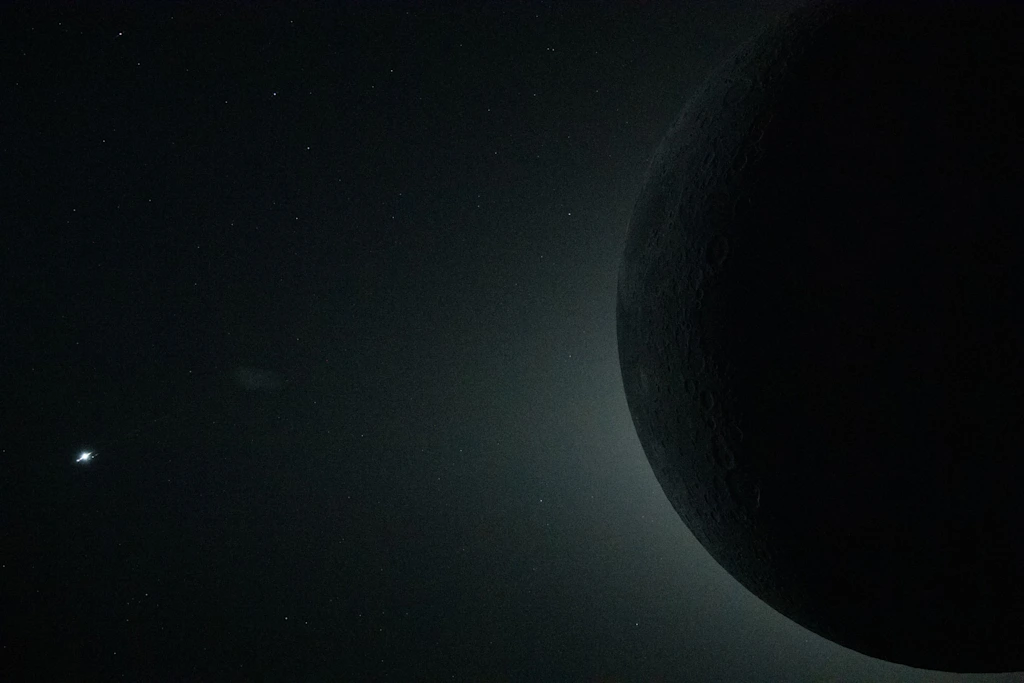
Because of the relative size of the moon in their window, the event lasted around 54 minutes, unlike the totality durations here on Earth. The crew observed the sun’s corona and were able to see stars and planets normally obscured by the sun’s brightness. The bright dash on the left of this photo is Venus.
The Artemis II crew will continue on their journey, checking out systems on this test flight, for the next few days. Their splashdown near San Diego, California, is scheduled to occur on Friday at 8:07 p.m. ET, bringing their almost 10-day journey to a close.
[carousel_block id=”carousel-1775570455516″]