General Motors is starting the year with a fresh skyline address and a carefully chosen message. As it opens the doors to its new headquarters in downtown Detroit, the company is keen to remind everyone that this is more than a new office. GM says its footprint is woven into the US economy at a basic level, from the people it employs to the suppliers it leans on and the towns that grow around its plants.
GM
A New HQ, A Big Footprint
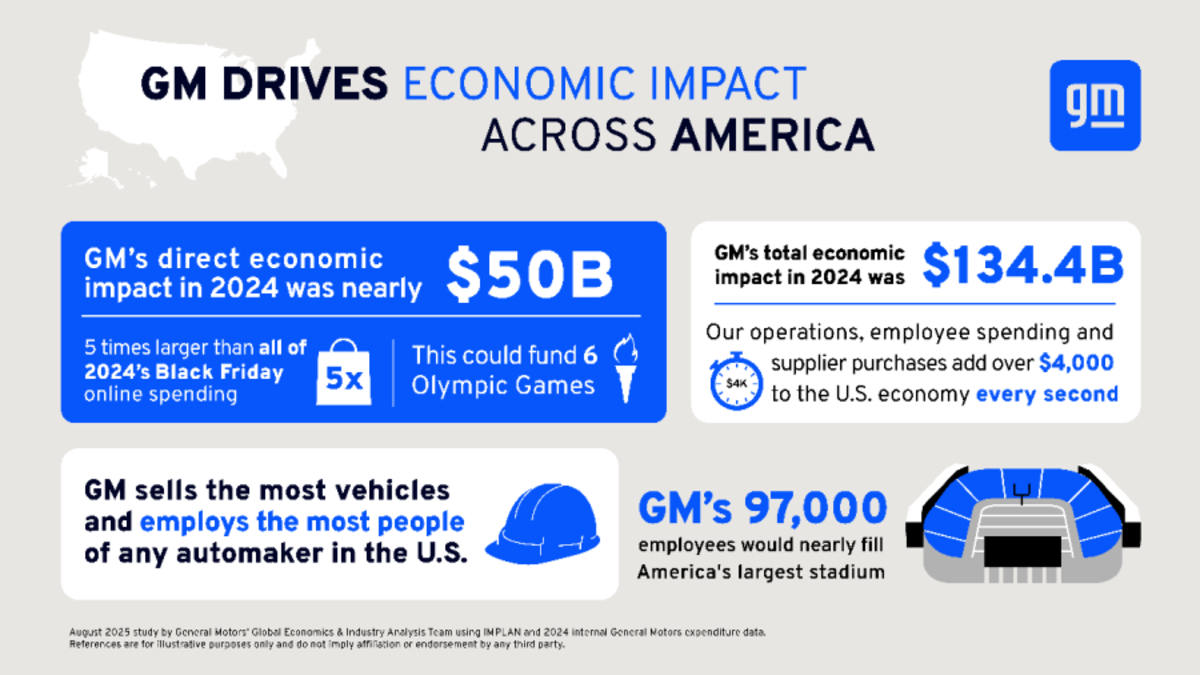
GM says that one in every ten American autoworkers is a GM employee, enough people to almost fill the University of Michigan’s Big House on a game day. In 2024, the company says it contributed nearly 50 billion dollars directly to US GDP, which it compares to funding six Olympic Games. Once you add in supply chain activity and what its employees spend in their own communities, GM puts its total US economic footprint at 134 billion dollars for the year.
The new Detroit headquarters is meant to be the visible symbol of all that. It anchors GM back on Woodward Avenue, close to its original roots, and sits on top of a dealer and product network that reaches almost everywhere. More than 85 percent of Americans live within 10 miles of a GM dealer, so whether it is a Chevrolet pickup in Texas, a GMC SUV in Colorado or a Cadillac in New York, the company is part of daily life in a way that few other brands can match. It is also coming off a strong year on the sales side, having capped off 2025 with record sales. However, it’s loss on EV sales was a bitter pill to swallow.
Investment, Jobs And Where The Money Lands
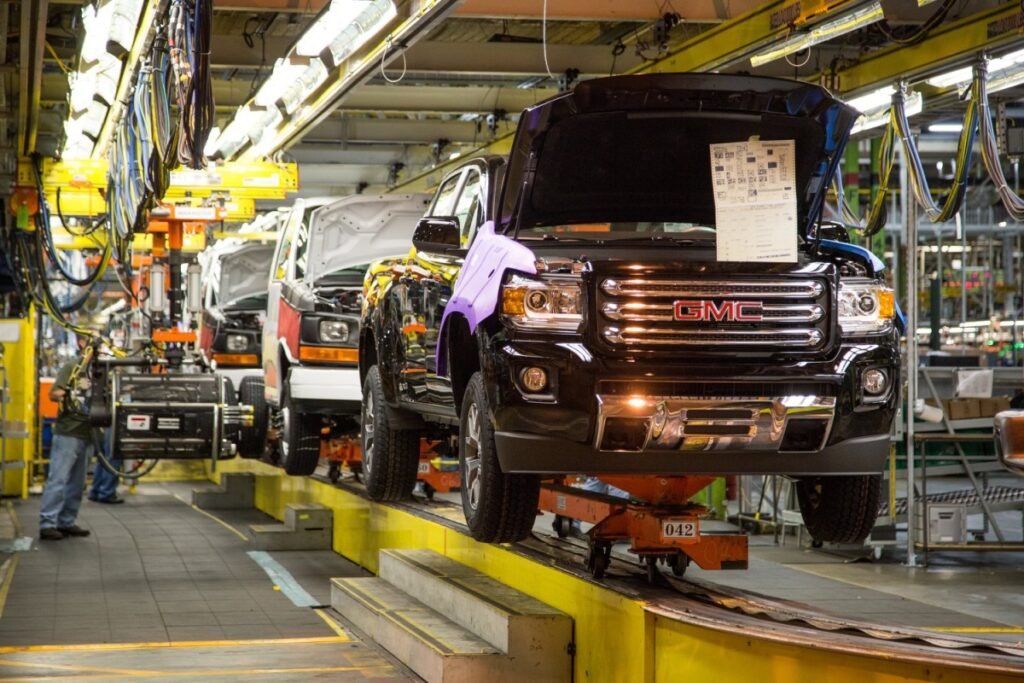
GM says it has invested 60 billion dollars in the United States since 2020, money that has gone into assembly plants, battery facilities, R and D centers and the tooling that sits behind them. Within that, 242 million dollars over the past five years has been poured into skilled trades apprenticeships, training new toolmakers, electricians and technical specialists.
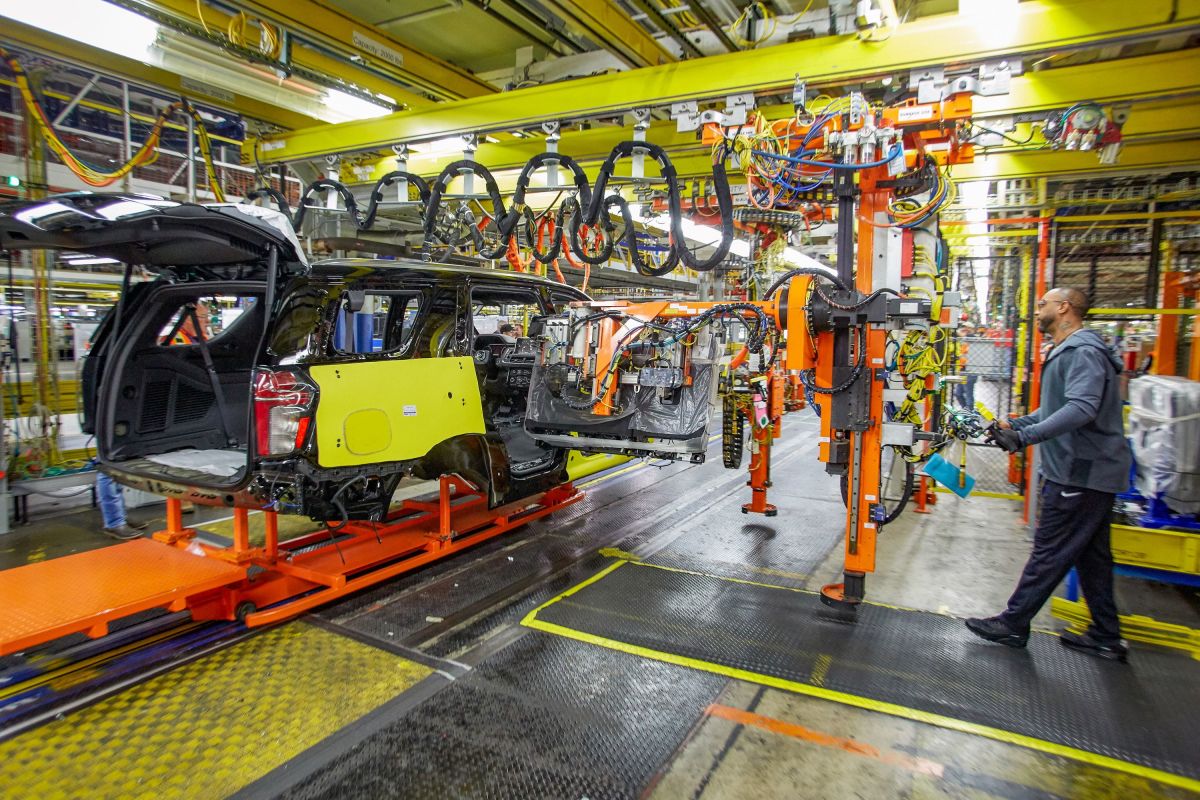
For people inside the plants, that is not just a headline number. Peter Ramirez, a controls engineer at Parma Metal Center in Ohio with more than 40 years at GM, points to a recent 250 million dollar investment at his facility as proof that the company is still committed. In his words, it is security for his family and his community. GM’s own manufacturing boss, Mike Trevorrow, makes a similar point. With most Americans living close to a GM facility or dealership, he argues the jobs and opportunities that come with those sites are part of why the company still matters beyond its own walls.
At the same time, GM is reshaping the way that money flows. It has told suppliers to strip China made parts out of its US products by 2027, that push could deepen its domestic footprint over time, but it will not be painless for smaller suppliers who now have to rebuild long standing supply chains.
Behind the confidence, there are real risks. GM’s strongest profits still come from traditional trucks and SUVs, the same vehicles that underpin those record Chevrolet, GMC and Cadillac results. The electric side of the business has yet to catch up. The company has already taken a series of charges tied to slow EV rollouts and revised plans. Those losses are tied to the same Ultium battery plants and software heavy platforms GM points to as the future of American manufacturing.
Anyhow, the new Detroit headquarters, the stadium sized workforce and the big GDP numbers are real. The open question is whether GM can carry that scale across into its next generation of products without losing the economic clout it is so eager to celebrate today.