Pivoting to Energy Storage
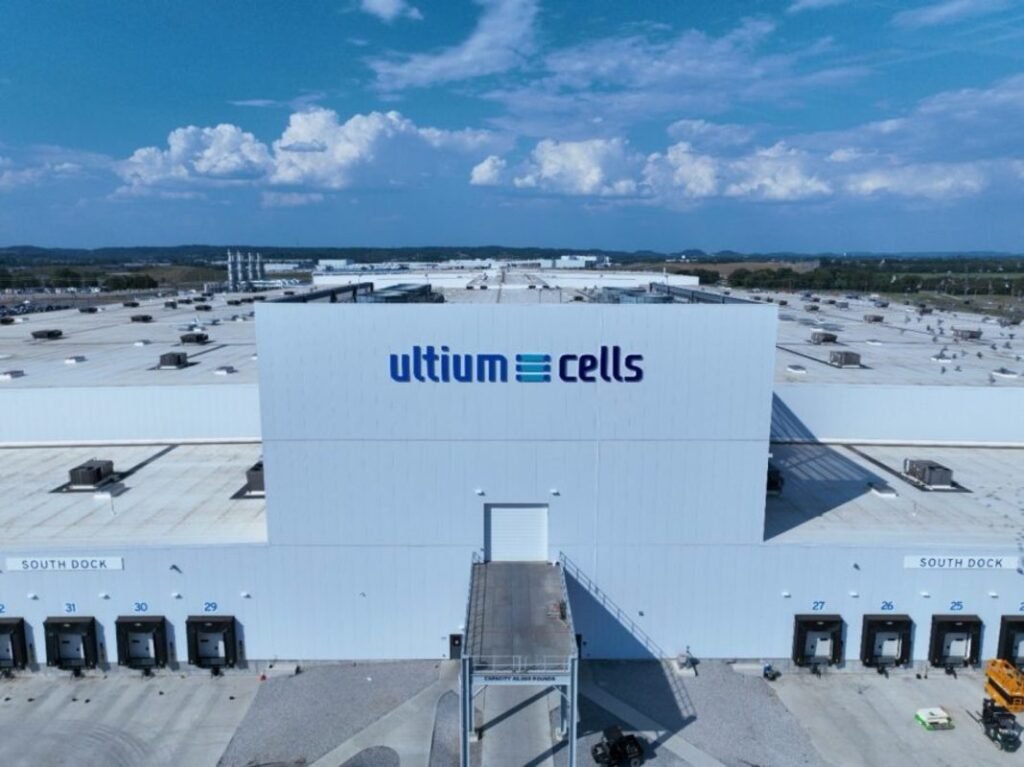
Here’s some good news. In a Reutersreport, General Motors and LG Energy Solution announced that their Tennessee Ultium Cells plant will be repurposed for lithium-iron-phosphate (LFP) battery production for energy storage products. This represents a significant shift from their previous strategy of focusing solely on electric vehicle battery production. This comes at a time when both companies face slowing demand for their products, resulting in excess battery production capacity.
General Motors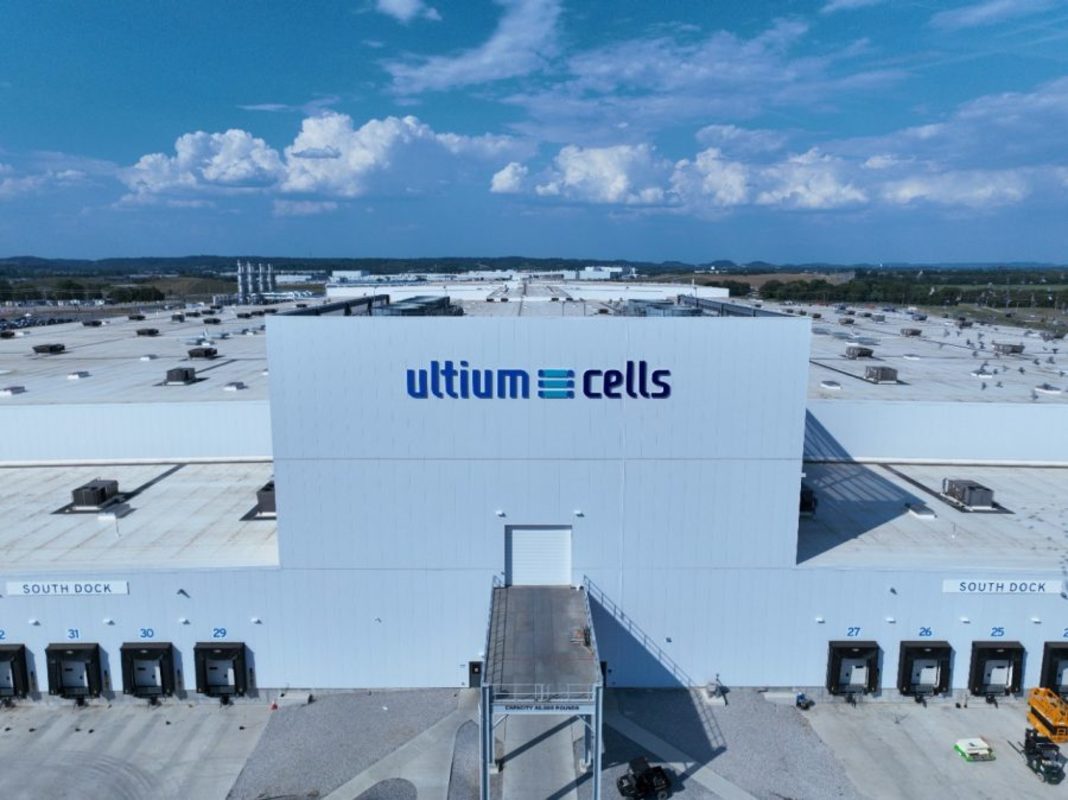
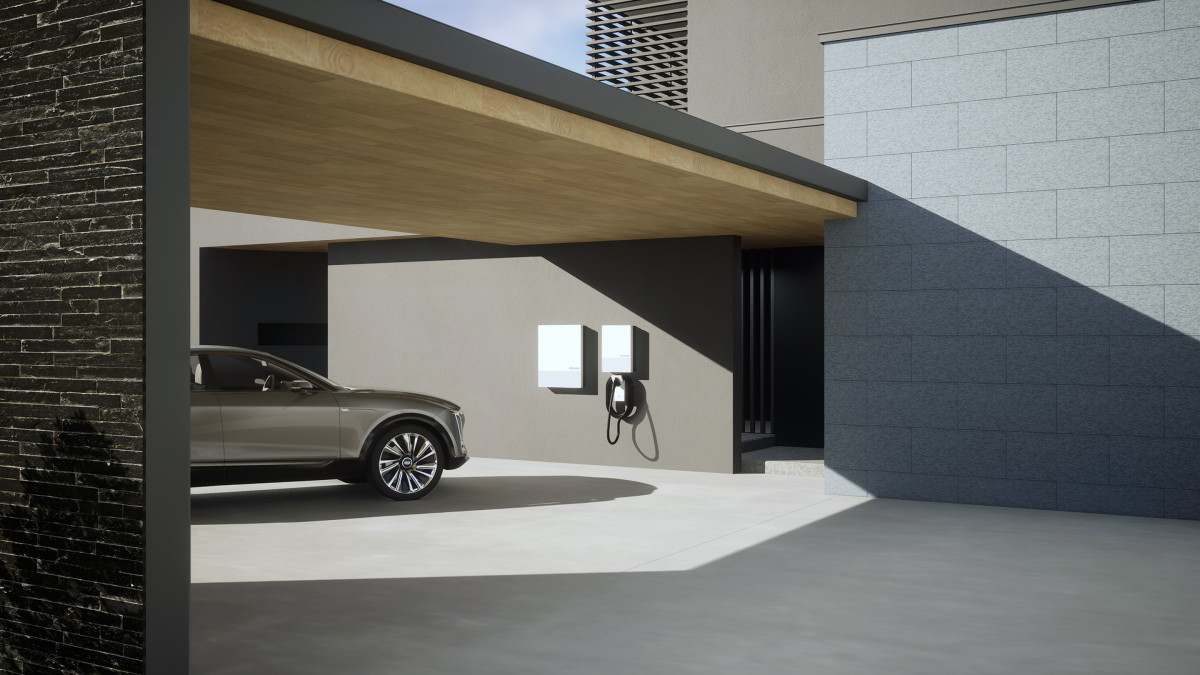
Instead of leaving these facilities idle, the partnership has decided to shift its production capacity to energy storage products. This sector is experiencing tremendous growth. This is largely driven by the rapid increase in AI data centers. In addition, General Motors has stated that energy storage demand is far exceeding supply. This trend is expected to continue for several years.
General Motors
Laid-Off Workers Get New Chance as Battery Demand Increases
This shift in strategy has an immediate impact on workers. Ultium Cells has announced that it will be recalling 700 workers who were previously laid off. This comes after forecasts for their battery demand for electric-vehicle production slowed in 2026. The workers will be utilized for LFP battery production and will begin during the second quarter. This represents an interesting trend as these workers will be repurposed based on energy storage demand.
It’s an interesting shift, however, as the battery jobs market is now not an indicator of EV market growth, but of the growth of electrification as a whole. With other manufacturers now looking at the EV battery space as well, the trend is clear: the industry is hedging its bets with the flexibility of LFP batteries, using them as needed in EVs or stationary applications, whichever market is most in demand.
Battery Development No Longer EV Exclusive
When we get past the news of EV market slowdowns, factory retooling, and the like, we see that the trend lines were actually pointing towards batteries not just being about EVs, as the bigger picture of GM’s overall strategy, including previous investments in internal combustion engines as well as EVs, as well as the company’s decision to go with the flexibility of the LFP chemistry, points towards a company that is hedging its bets on the future of propulsion.
The truth of the matter is this, batteries are the foundation of the future of energy, whether that future is inside the floor of a Chevy Bolt EV, or inside a facility powering an AI server farm, batteries are the future, and the future is now. EVs may go in and out of demand, but energy demand is not going anywhere; however, as evidenced by this Tennessee facility, the future of batteries is not just about EVs, it’s about everything.
GM