GM Faces Unified Legal Battle
General Motors faces mounting legal pressure over its 6.2-liter V8 L87 engine troubles. The issue was first brought to federal regulators’ attention by the National Highway Traffic Safety Administration (NHTSA) after receiving over 1,000 consumer complaints about the engine failure. The NHTSA began investigating the issue, which led to GM announcing a recall of almost 600,000 trucks and SUVs in April 2025 due to the failures of the engine’s crankshaft, bearings, and connecting rods.
This recall affects certain model year 2019 through 2024 trucks and SUVs, including the Chevrolet Silverado 1500 and GMC Sierra 1500; the Chevrolet Tahoe, Suburban, and GMC Yukon; and the Cadillac Escalade. While the defect itself is the central issue in the lawsuits, the main argument made by the plaintiffs of this consolidated lawsuit is that the repairs offered by GM (a change in engine oil spec) are insufficient to correct the defects in the engines. The class action lawsuit is set to proceed in Michigan.
Chevrolet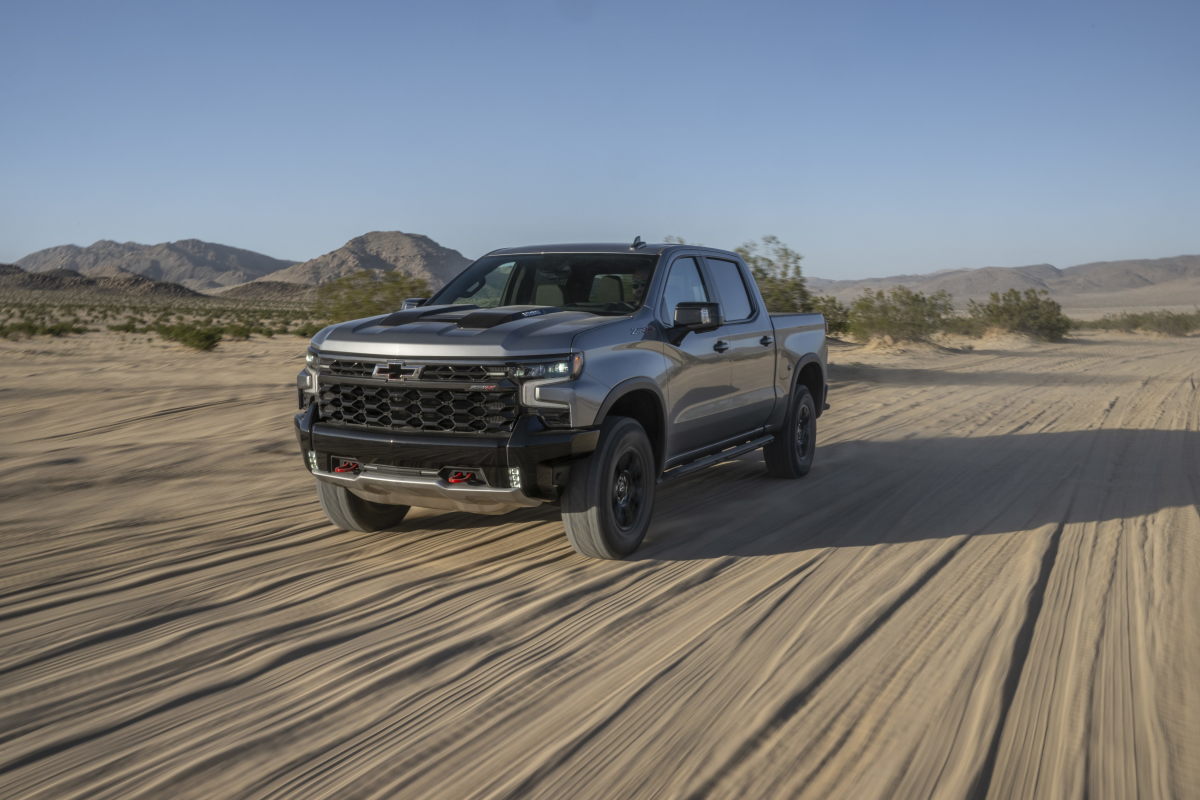
Federal Judge Consolidates GM Engine Lawsuits
Due to the nature of large-scale auto defects, numerous other lawsuits were filed shortly after the first filed by Powell early this year. By August 2025, the Federal Judge had consolidated ten or more of these lawsuits under the name of the Powell lawsuit, resulting in the creation of a single lawsuit. Since then, another lawsuit has been added to the list of complaints against GM.
By consolidating the lawsuits, the plaintiffs will be able to present evidence in a single proceeding rather than having to present evidence multiple times in different courts. The Court will examine the extent to which GM remedied the engine defects and whether the plaintiffs should receive compensation above and beyond the repairs being provided by GM under the recall.
I Do Cars/YouTube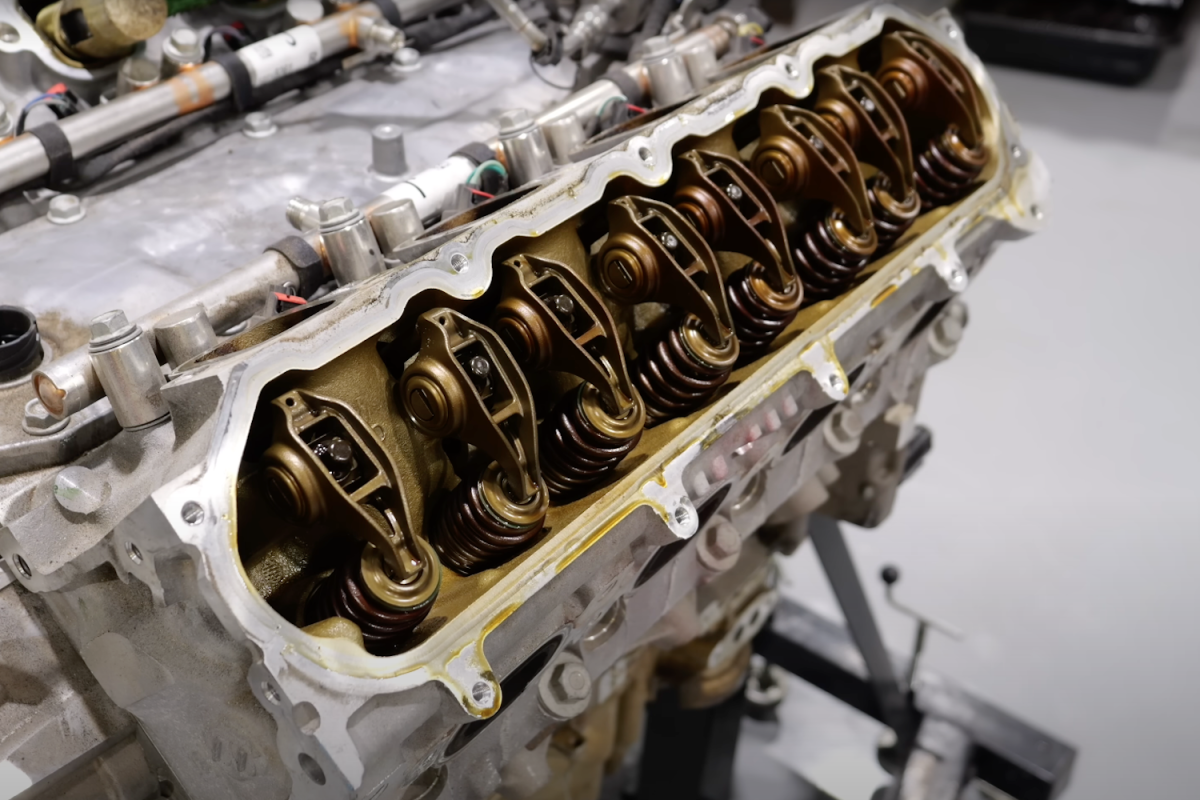
What This Means for GM and Vehicle Owners
This litigation is a serious threat to General Motors and will potentially result in increased warranty costs, damage to GM’s brand image, and/or financial liability for GM. On the other hand, for the owners of the affected trucks and SUVs, this litigation may ultimately result in some form of monetary compensation if the Court rules in their favor. Additionally, the ruling may establish precedent for how manufacturers respond to similar recalls in the future.
There are still hundreds of thousands of GM trucks and SUVs on the road whose owners believe that the engines in those vehicles are fundamentally flawed regardless of the recall efforts. The outcome of the litigation will help to determine if these beliefs are valid and what additional measures, if any, GM will need to take beyond the current recall program to resolve the issues.