Diesel’s Place in Today’s Market
While diesel-powered passenger vehicles are increasingly limited in the U.S., they remain vital, especially for those in the agriculture industry, thanks to their superior low-end torque, which improves payload and towing capacities. One long-standing issue, however, is the mandated Diesel Exhaust Fluid (DEF) system, which helps reduce emissions but has cost owners in repairs and, for workhorse applications, lost productivity.
Now, the U.S. Environmental Protection Agency (EPA) is addressing that concern by removing the DEF sensor requirement. The reason is that this component, particularly urea quality sensors, can derate diesel engines when they detect an abnormality, even if the reading is false. That can lead to sudden speed losses – something especially problematic for fleet vehicles on tight schedules – and, in some cases, even shutdowns.
Fixing a Billion-Dollar Issue
In a press release, the EPA, citing the U.S. Small Business Administration (SBA), said the revised guideline could save farmers $4.4 billion annually and Americans over $13 billion per year.
This is one of the latest regulatory changes benefiting diesel operators, including a recent move to stop pursuing certain criminal charges tied to emissions-system tampering. Despite these changes, however, the EPA reiterated that it is not seeking to weaken or remove emissions standards, but rather to make them more realistic and practical in ways that do not burden “Americans who feed, clothe, and power our economy.”
For those affected by DEF sensor issues, the agency said approved NOx sensor–based software updates can be installed on existing diesel engines without violating the Clean Air Act.

More Changes Ahead
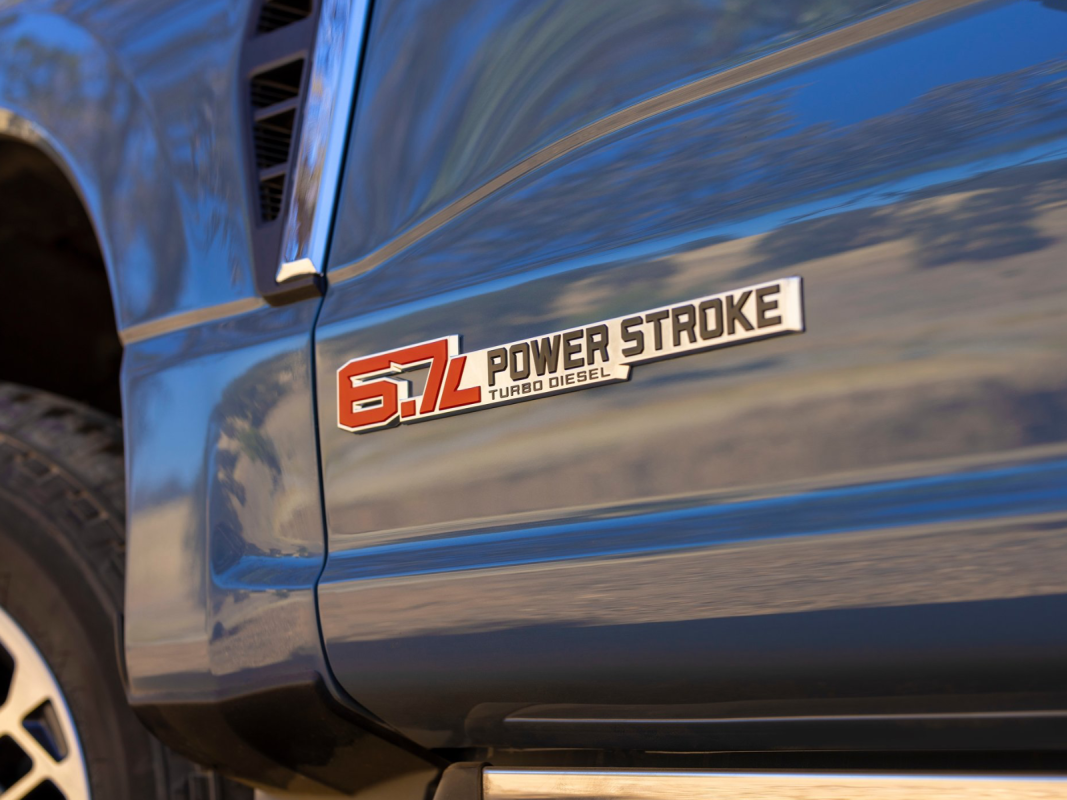
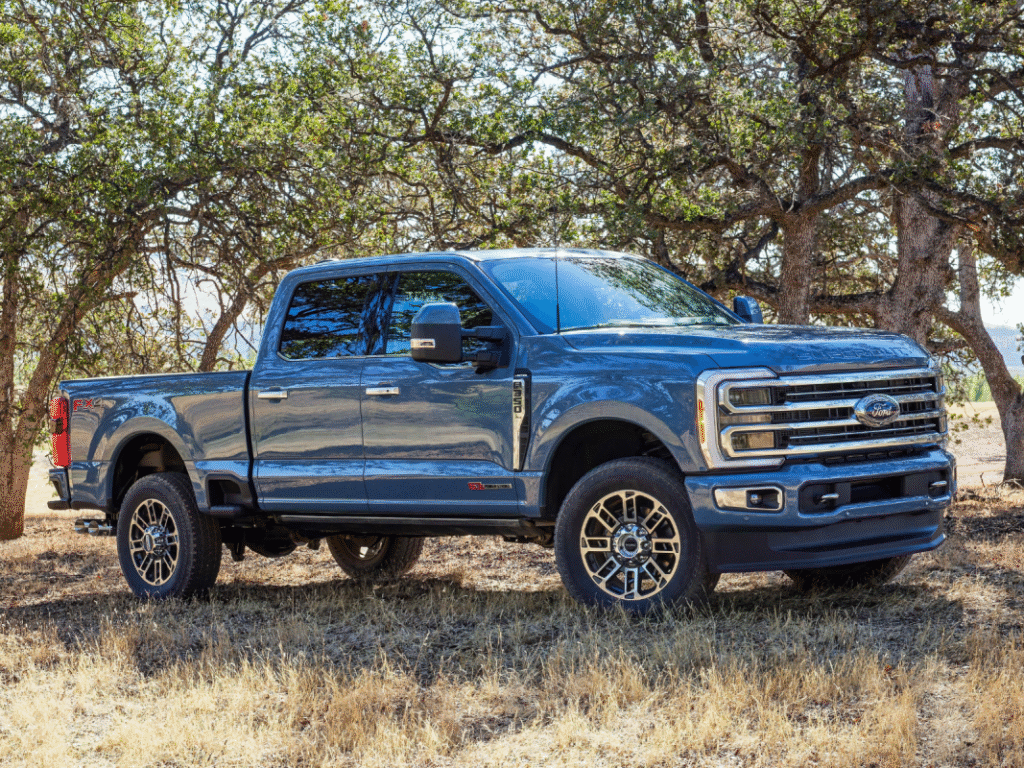
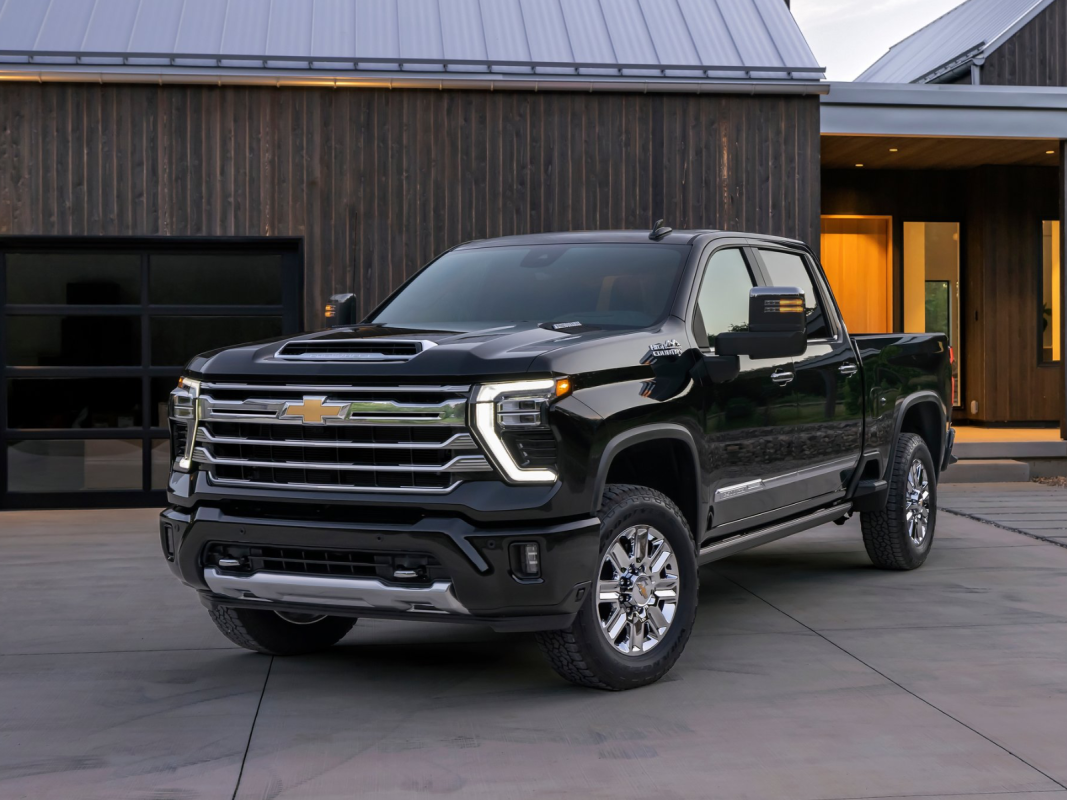
In addition to eliminating the DEF sensor requirement, a new deregulatory proposal is also being prepared to remove all DEF-related derates for new vehicles and engines. For reference, the shrinking pool of diesel-powered vehicles still available in the U.S. includes models such as the Chevrolet Silverado HD and Ford Super Duty, the latter of which offers a 6.7-liter turbodiesel V8 producing up to 500 horsepower and 1,200 lb-ft of torque in High Output form.
The EPA will continue collecting and reviewing data from manufacturers to identify potential improvements to emissions systems. It has received submissions from 11 of 14 manufacturers, while the remaining companies – larger manufacturers – are said to need more time to compile their data.