Screens Are Too Complicated, Designer Says
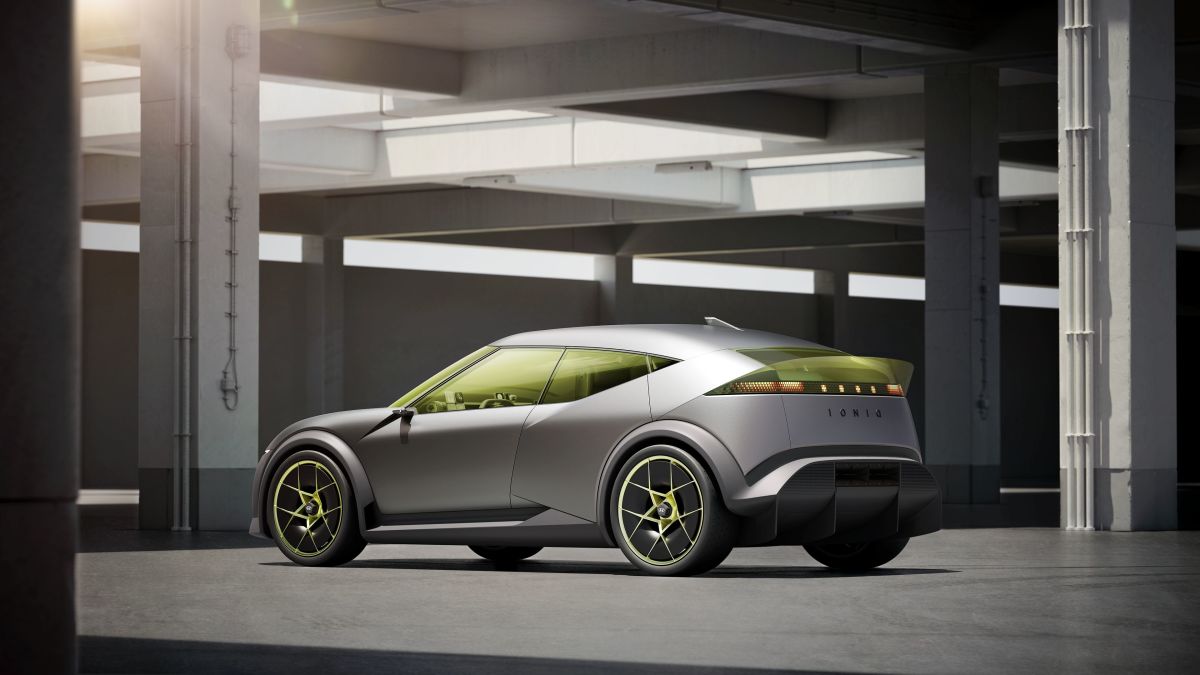
Unveiled at the recent IAA Mobility Show in Munich, the Hyundai Concept Three is a compact electric hatchback previewing a more affordable EV from the Korean automaker (albeit one that might not make it to the United States). The concept’s interior also minimizes screens, an approach designers would like to carry forward to future models.
“A lot of customers are frustrated at having to look and go through layers, so how do we simplify?” Simon Loasby, head of the Hyundai Design Center in Seoul, said in a recent interview with Auto Express regarding current touchscreen interfaces. With the Concept Three, the Hyundai design team looked for another way.
Touchscreens Inadequate For Frequently-Used Functions
Hyundai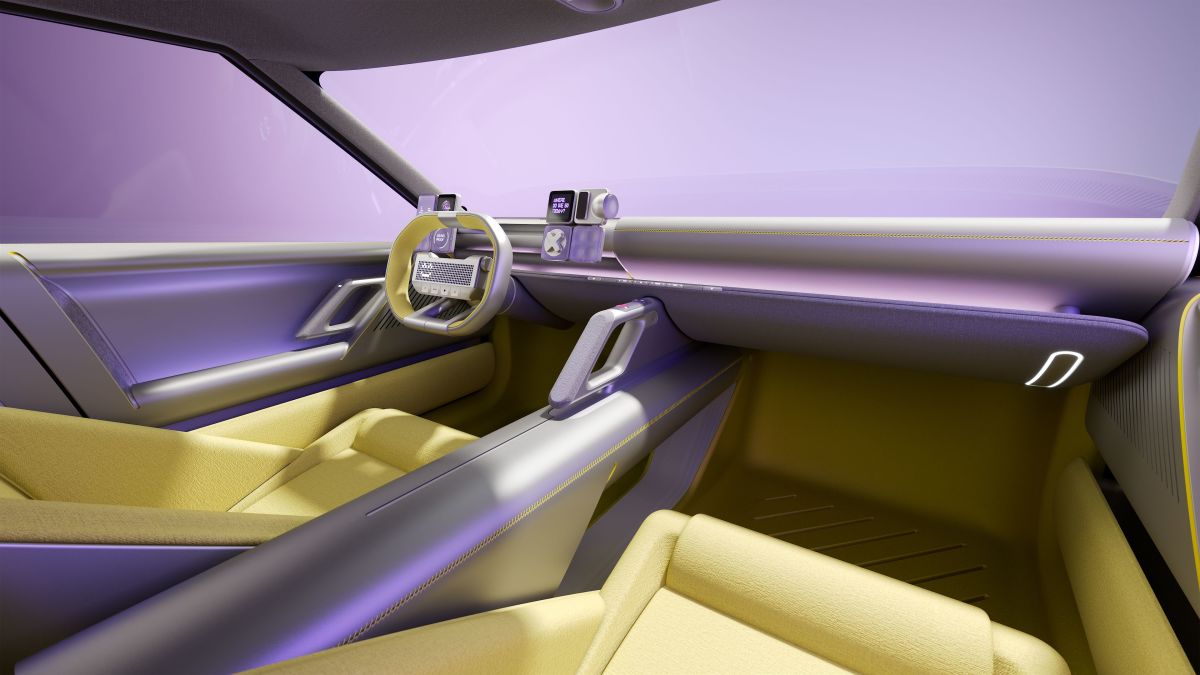
Instead of a large central touchscreen or digital instrument cluster, the Concept Three has several smaller displays that can be customized to show different information. The most vital information is displayed at the base of the windshield to keep it within the driver’s line of sight. That’s based on how Hyundai sees customers interacting with in-car interfaces, according to Loasby.
“People are prepared to sit and go through menus to play with the high tech stuff, but the instant interaction—temperature, air conditioning, volume, seat heating, skipping tracks—there’s a set which are just so frequently used that actually, then you start questioning, well, why do we need a screen? Not the other way around, not why do we need buttons? Why do we have a screen, and can’t we do that in another way?”
Has Screen Fever Broken?
Hyundai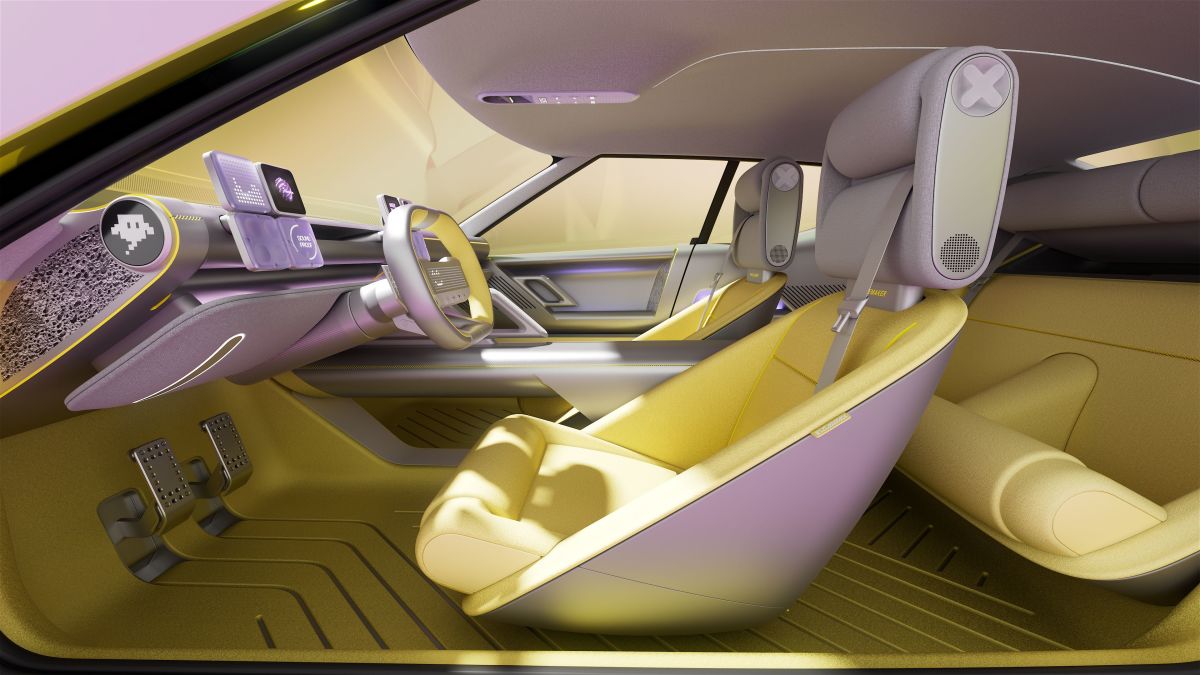
Hyundai’s stance on screens for future production cars is still in flux, but it appears enthusiasm for screens has peaked. Earlier this year, Ha Hak-soo, the vice president of Hyundai Development and Manufacturing of North America (HDNA) said that, in this market at least, the automaker was looking to bring back more physical controls after negative feedback from customers on screen-centric interfaces.
Exactly when that will happen is unclear, though. The Concept Three is expected to preview an upcoming production model, but that doesn’t mean the concept’s simpler interface will make the transition. The small electric hatchback also seems more tailored to the European market than the U.S. Meanwhile, the next-generation Hyundai Elantra and Tucson are expected to get a new infotainment system that remains screen-centric.
“We’re not there yet, designers always like to challenge and see where the journey could go, which is why we have done what we have with the Concept Three,” Loasby said. “And our cars have some very good interactions and functions where screen interaction is required; that’s okay, but we complement that with the frequent-use physical interaction buttons.”
Hyundai