High prices may influence a sales dip, experts warn.
According to a new report published in the Los Angeles Times, auto industry experts warn that the issue of affordability will be a significant factor affecting new car sales, as high price tags of new vehicles deter middle-income buyers away from new-vehicle purchases.
During a December press call attended by the publication, Charlie Chesbrough, a senior economist at auto industry researcher Cox Automotive, warned that “a lack of momentum heading into [2026]” during the final three months of 2025 may have slowed total sales for the year from an expected 16 million vehicles to just 15.6 million.
Cox expects this trend to continue, as they forecast just 15.8 million vehicles to sell in 2026; if realized, it would be the industry’s first annual drop since 2022.
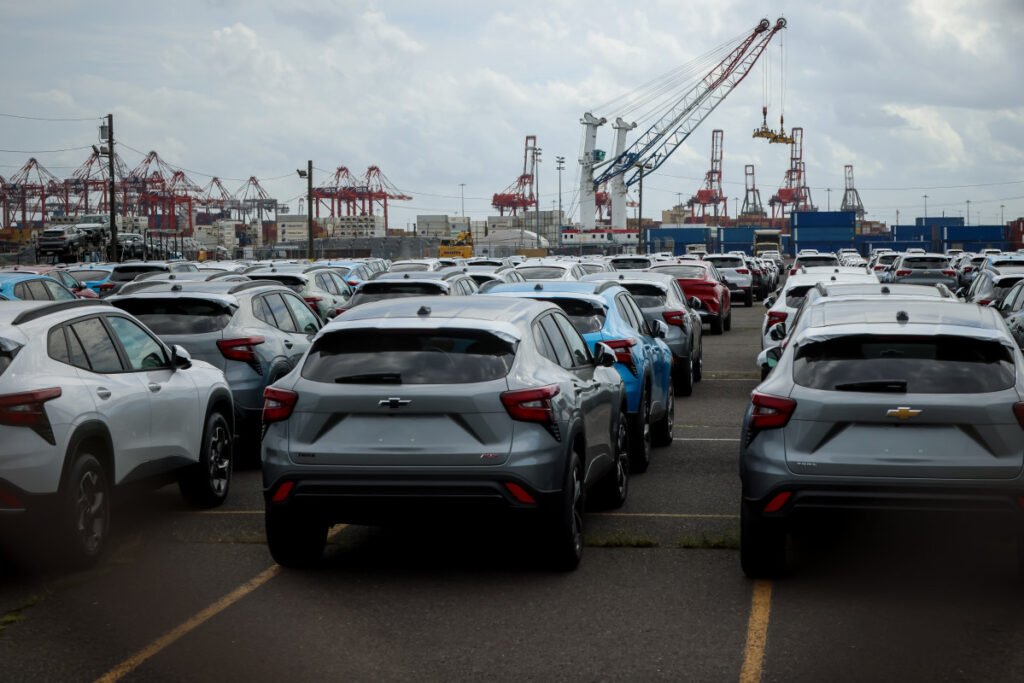
Eric Thayer/Bloomberg via Getty Images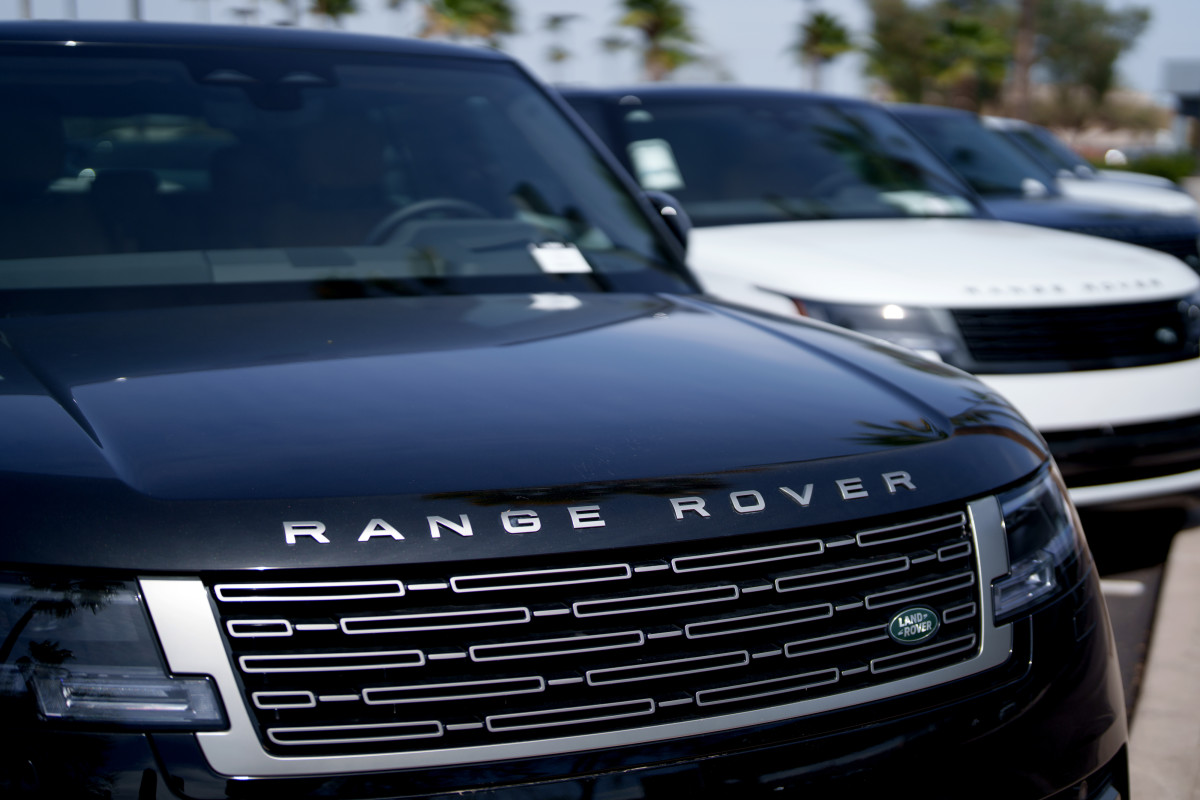
Haves and Have-nots.
Experts at Cox state that the main culprit behind this pushback is growing economic inequality, as uncertainty among consumers with annual incomes less than $150,000 has made a mark on sales figures. They found that new-car sales among households with annual incomes over $150,000 have increased by a whopping 45% since 2019. Over the same period, sales dropped by 7% among families with incomes between $75,000 and $150,000, while they’ve plunged by 30% during the same period among those earning $75,000 or less.
The latest figures from Cox and Kelley Blue Book show that the average transaction price (ATP) of a new car in the U.S. hovered at $49,814 in November, the latest data available. Not only does it reflect a 1.3% year-over-year increase, but it is a statistic heavily influenced by buying patterns “from affluent households;” an observation that Cox executive analyst Erin Keating made ntoe of.
“The people who can still afford new vehicles are buying what they want: larger premium vehicles,” Keating said. “Everyone else, they didn’t downgrade to a compact car, they left the new market entirely, buying either used or hanging onto what they’ve got.”
Justin Sullivan/Getty Images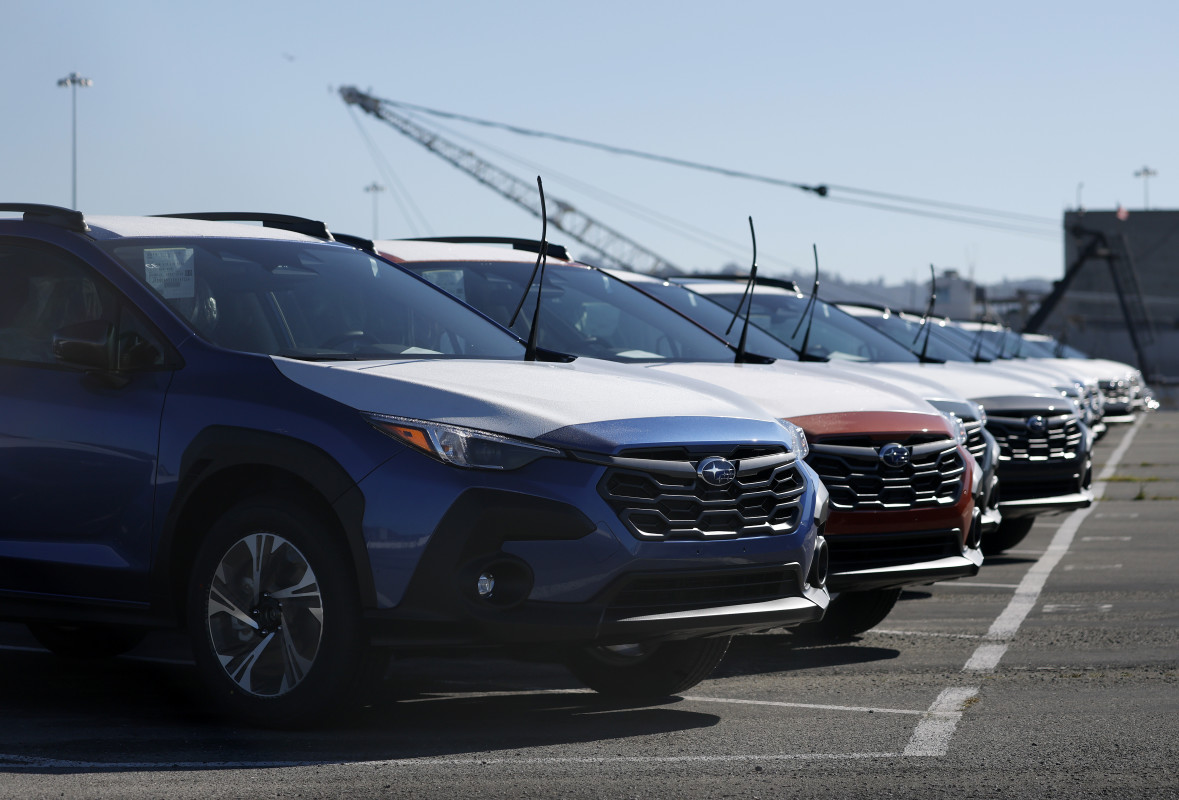
Year-end sales are a mixed bag for various automakers
Despite the outlook, several automakers this week have posted their 2025 year-end U.S. sales figures, including Japanese automotive juggernaut Toyota, which reported gains of 8.1% driven by its hybrids and electrified vehicles. Sales at rival Honda increased by 0.5% and marked the brand’s best showing since 2021, while sales at Nissan saw a 0.2% increase despite a 3.7% fall during Q4 2025.
On the other hand, Subaru experienced a 3.6% sales decrease following a 7.2% decrease in December 2025, while Korean firms Hyundai and Kia achieved a third straight year of record sales with respective gains of 8.4% and 7%.
Domestically, General Motors reported a 5.5% U.S. sales increase in 2025, despite facing a 7% decrease during Q4 2025. In addition, Ford announced what it says is its “best annual sales and Q4 performance since 2019,” with total sales for the year climbing by 6% in 2025, while Jeep parent Stellantis sales saw a 3.3% sales dip across its transatlantic brand portfolio.
On the premium side, General Motors reported that its sales at its Cadillac division increased by 8% in 2025, while Ford reported that Lincoln saw a 2% year-over-year sales increase, despite a 7.4% dip in Q4 2025. At the same time, Lexus reported a 7.1% sales increase in 2025, VW’s premium Audi brand saw a 16% year-over-year sales dip alongside a 36% decline in Q4 2025, while Bavarian rivals BMW celebrated a third consecutive year of sales gains.
Related: New Edmunds Data Exposes Bitter Reality of New Car Affordability
Final Thoughts
It should be noted that while all this is going on, many buyers who take the leap to get a new vehicle are going to great lengths when it comes to the credit and financial side of things.
New data highlighting significant trends in new-car financing from the car-buying authorities at Edmunds reveals that American buyers are spending more each month to finance their new set of wheels. They found that the average monthly payment among American buyers is at the highest levels they ever recorded,at $772 in Q4 2025. To make matters worse, 20.3% of all financed new-vehicle purchases involve monthly payments of $1,000 or more.
It is no surprise that buyers would feel intimidated in this kind of market, especially as average vehicles sell for closer to $50,000. However, the affordability challenge should fare well with used car buyers, as Edmunds anticipates more options in the used-car market this year as more cars come off lease.
Related: Honda’s 2025 Was a Mess, But SUVs and Hybrids Saved It