Honda’s American Lineup Will Start to Feel a Pinch
Honda was once promising a bold electric push, but the company has now slowed sharply in North America. With the move away from battery EVs, there’s a clear gap in the lineup. If you were hoping for a new Honda EV, you’ll be waiting much longer.
Honda has canceled several planned EVs, and even the Prologue’s future is unclear. The real question is what’s coming next – or what isn’t. Reports say Honda won’t launch any significant new models in the US this year, and maybe not next year either.
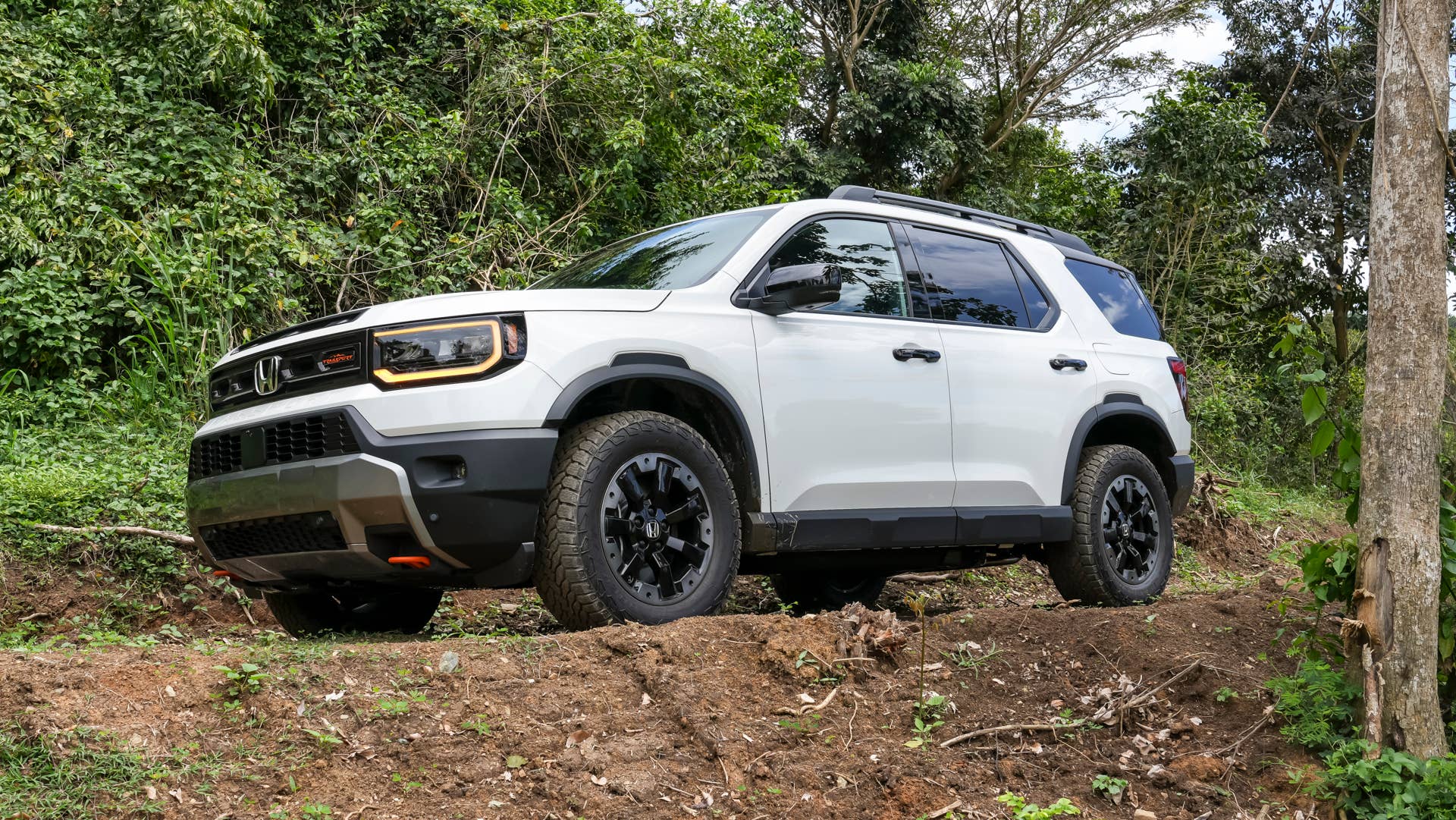
The next new model for the US is a refreshed CR-V, expected in 2027, but it looks like a minor update rather than a full redesign. That means Honda will rely on its current lineup – Civic, CR-V, Accord – with little new to offer in a crowded market.
Honda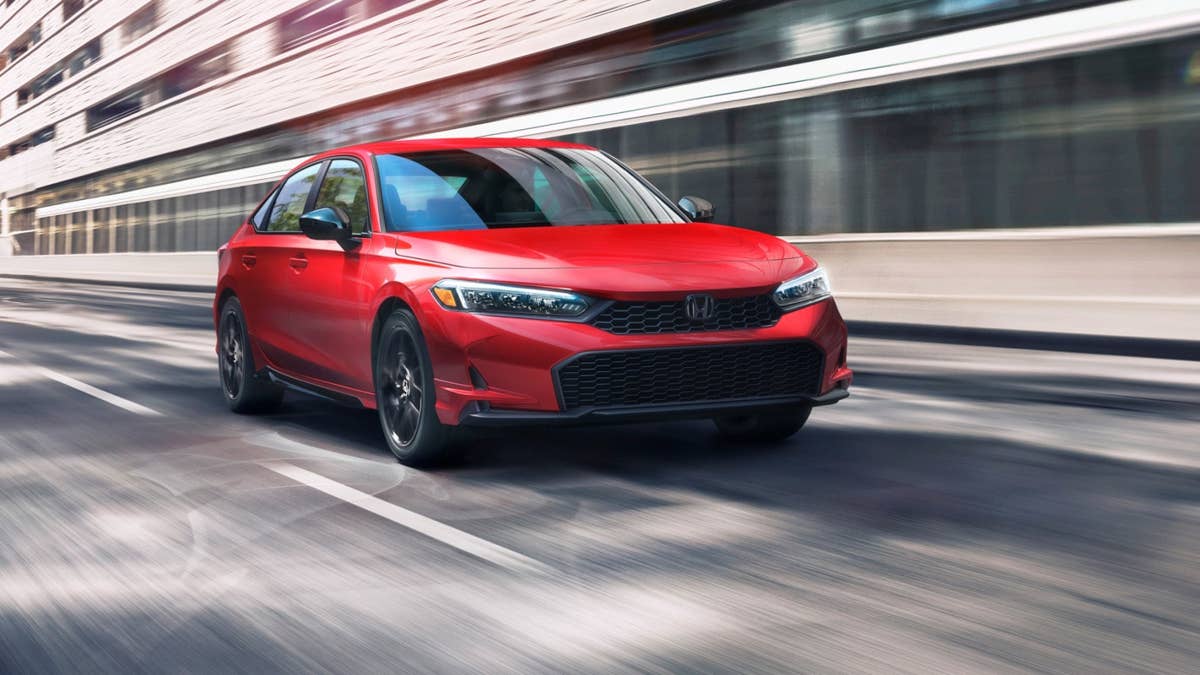
Billions in Losses and a Development Bottleneck
It’s not just about new models. Honda’s move away from EVs is costing the company a lot. According to Nikkei Asia, Honda may owe suppliers up to $10 billion due to canceled EV projects, plus additional losses from halted development and wasted investments.
In fact, the company is bracing for a significant net loss – its first since going public – with total EV-related losses potentially reaching 2.5 trillion yen by 2027. That kind of hit naturally raises concerns about dividends, cash reserves, and long-term stability.
Honda faces bigger structural problems. Its development process is slower than rivals like Toyota, partly because it doesn’t share parts as efficiently. The focus on EVs also pulled resources away from gasoline and hybrid models, even though those still account for most of Honda’s sales.
Now, Honda is trying to regroup by reorganizing its R&D structure, spinning off its development arm to improve speed and creativity. There’s also talk of potential collaboration with Nissan in North America, though nothing concrete has materialized yet.
Kristen Brown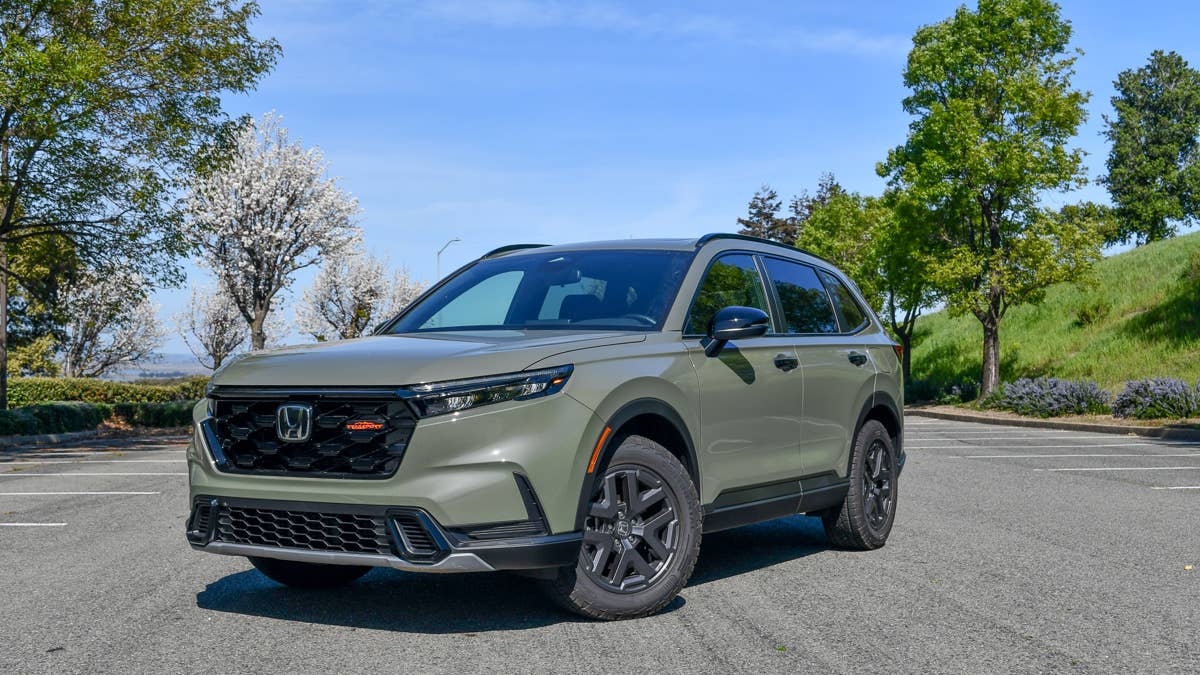
Standing Still in a Fast-Moving Market
The main worry isn’t just the financial losses – it’s the lack of new products. In today’s market, going a year without updates can set a brand back. If that stretches to two or three years, the problem gets much bigger.
With no new models, Honda is relying more on incentives to sell cars. In the US, the average incentive per vehicle is much higher than Toyota’s, suggesting that some models are aging. If this keeps up, profit margins will shrink for both dealers and Honda.
There’s also a knock-on effect. Aging models are harder to sell without discounts, reducing profitability and, in turn, limiting investment in future development. It’s a cycle that’s difficult to break once it starts.
Switching to hybrids might help Honda in the long run, but for now, the company risks losing ground. Competitors keep launching new models, and staying put isn’t an option. Honda’s larger vehicles may help for a while, but it’s not a long-term fix.
2026 looks like it will be a quiet year for Honda in America. Whether this pause becomes a reset or a setback depends on how fast Honda can bring new models to market.
H