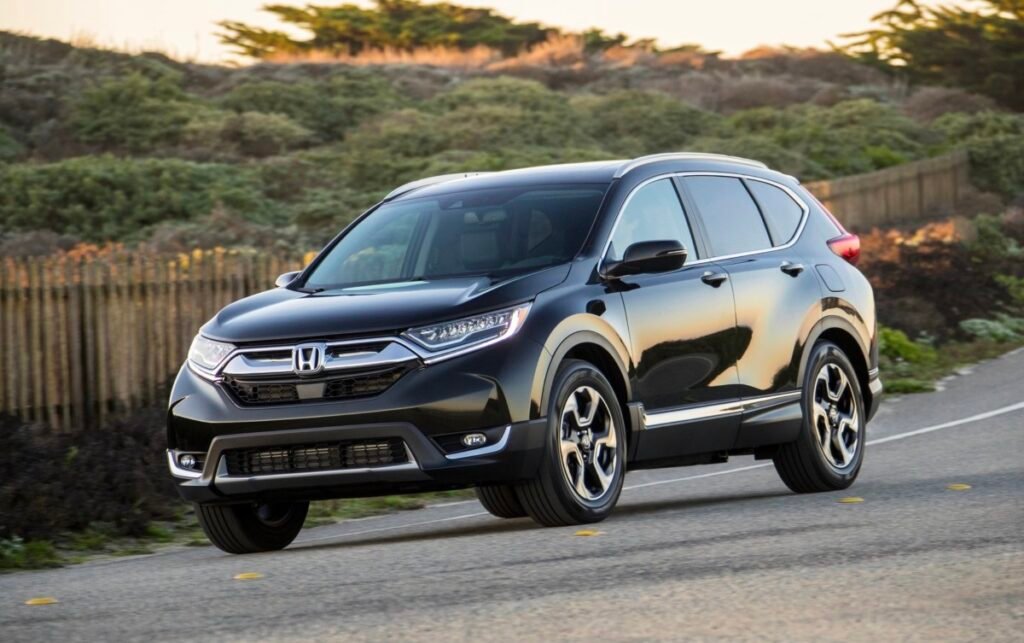
A lawsuit for an alleged Honda Collision Mitigation Braking system failure is heading to trial after originally being filed eight years ago. In its current form, the lawsuit claims that the Collision Mitigation Braking System equipped to certain CR-V and Accord models detects hazards when there are none, leading to hard and unexpected braking. Some owners say the defect has left them afraid of driving their Hondas. Here’s everything we know about a case that has dragged on for many years.
Honda Lawsuit Explained
Honda
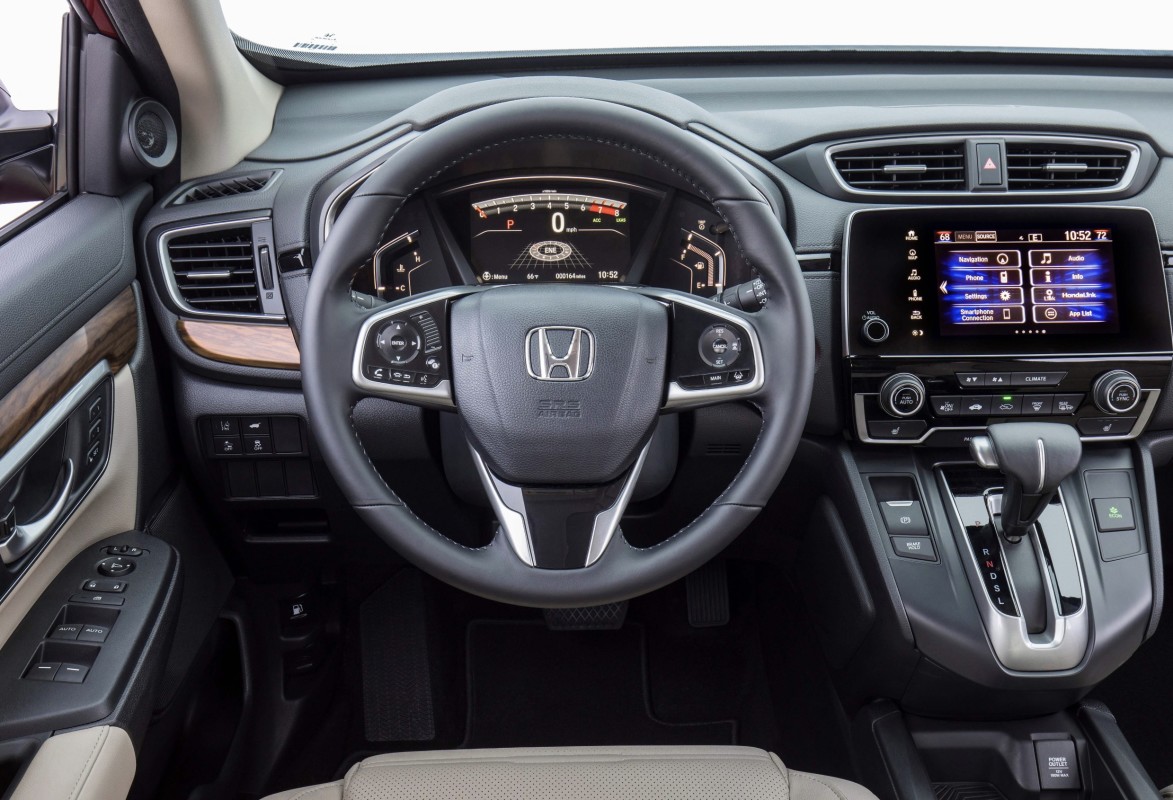
The initial lawsuit filed eight years ago involved the Honda Sensing system as a whole, which consists of multiple driver-assistance features. These include the following:
- Collision Mitigation Braking
- Road Departure Mitigation
- Adaptive Cruise Control with Low-Speed Follow
- Lane Keeping Assist
The lawsuit now only includes the Collision Mitigation System, which uses a combination of camera and radar sensors to identify obstacles and apply the brakes automatically. But, if the car brakes when it shouldn’t, this can increase the chances of a crash. The class action lawsuit has been modified and refiled three trims, but it’s now heading to trial after the judge allowed it to drag on for eight years.
The vehicles must have been purchased new from Honda dealerships in the following states: California, Florida, New York, Ohio, North Carolina, New Jersey, Arizona, or Iowa. Leading up to the trial, both parties are still debating the case, with the automaker saying the jury instruction doesn’t match the alleged offense.
Affected Honda Models
Honda
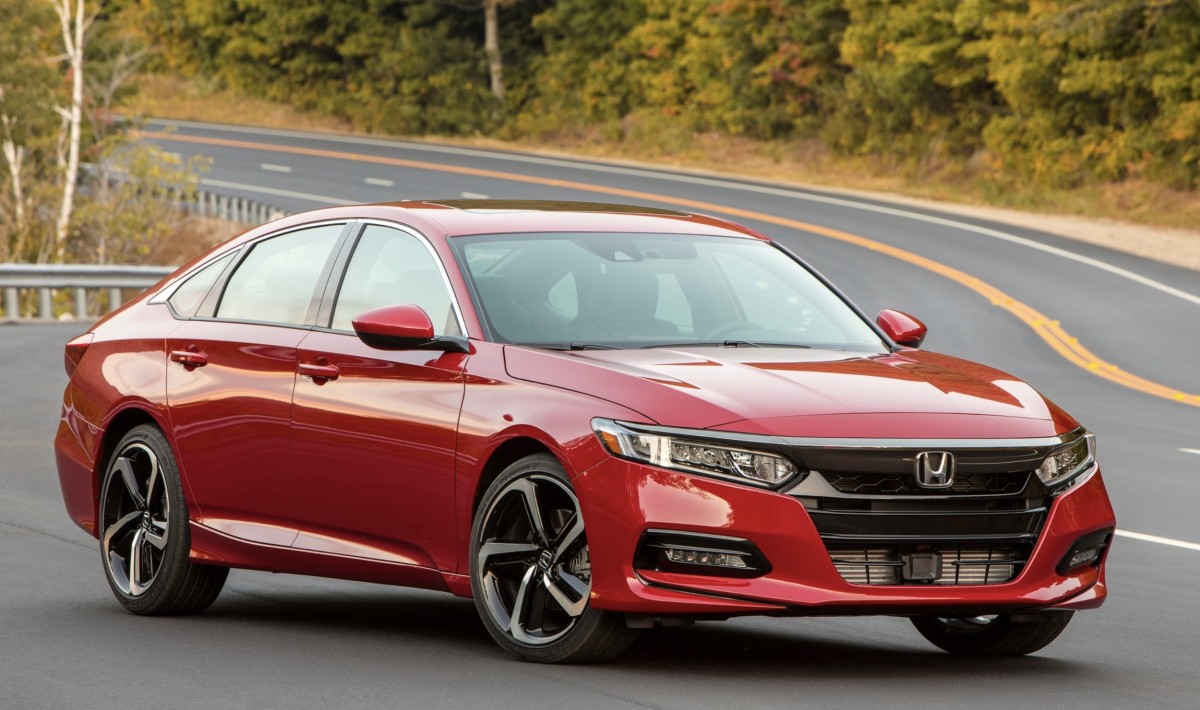
Models implicated in the lawsuit include the 2017-2019 Honda CR-V and 2018-2020 Honda Accord sedan. These are the previous generations of both models, so the CR-V and Accord on sale now are not implicated.
We did a search on the National Highway Traffic Safety Administration’s website and quickly found complaints related to the braking issue. On March 15, 2026, one owner of a 2019 CR-V said their vehicle suddenly braked hard at an intersection when the light was green and the road was clear, with the speed being roughly 40 mph.
“I felt I was close to being rear ended because I didn’t engage any braking at all,” said the driver. Another 2019 CR-V driver said their vehicle initiated “hard, emergency-level braking without any actual obstacle in the path of travel.”
The NHTSA opened an investigation into the issue a few years ago, and this remains ongoing, with a total of 1,294 complaints noted at that time. 50 complaints alleged that an injury had occurred, with 31 crashes reported.
Related: Drivers Reveal the Car Tech They Can’t Live Without — and What Drives Them Crazy
What It Means
Honda
The CR-V and Accord are two of Honda’s most popular models in the U.S., so any safety issue affecting them will potentially impact thousands of owners. Honda has equipped its Sensing suite with collision mitigation braking for years, too, further driving up the number of affected models.
The lawsuit exposes the double-edged sword of modern vehicle safety technologies. On the one hand, they make driving safer and more convenient when they work as they should. But they’ve also made cars more complicated, and the very features designed to save lives can be dangerous when they malfunction.
After eight long and frustrating years, Honda and the plaintiffs will both be anticipating a favorable outcome once the case goes to trial.
Related: AAA study shows automatic emergency braking has its limits