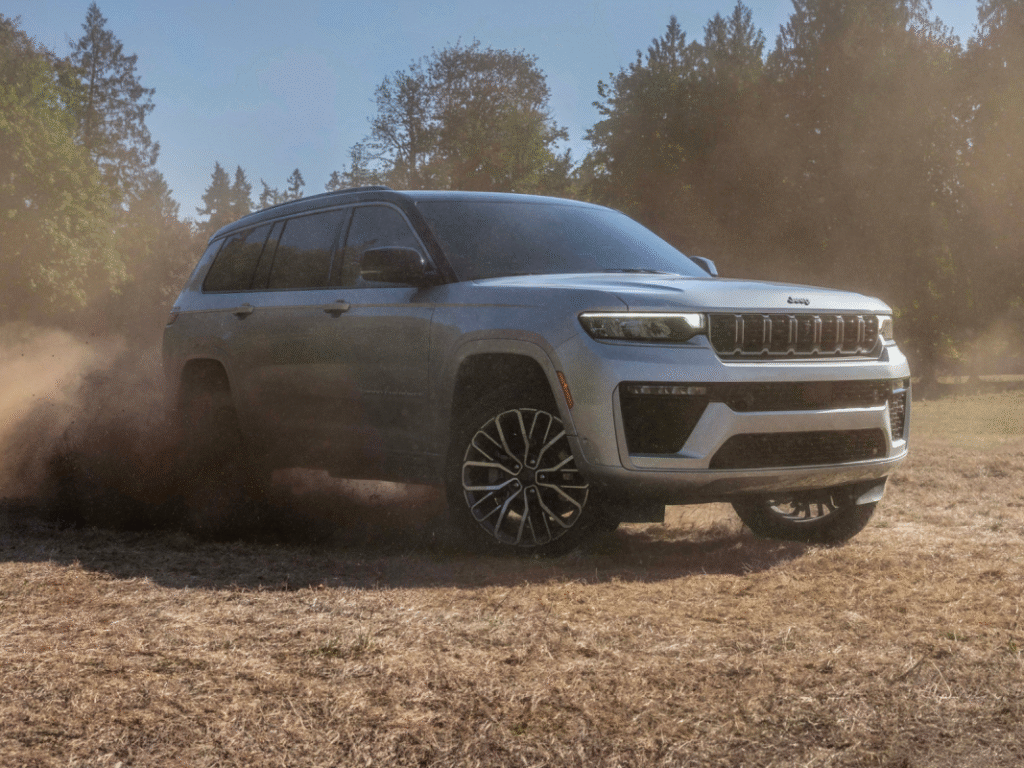
Downsizing Without Compromise
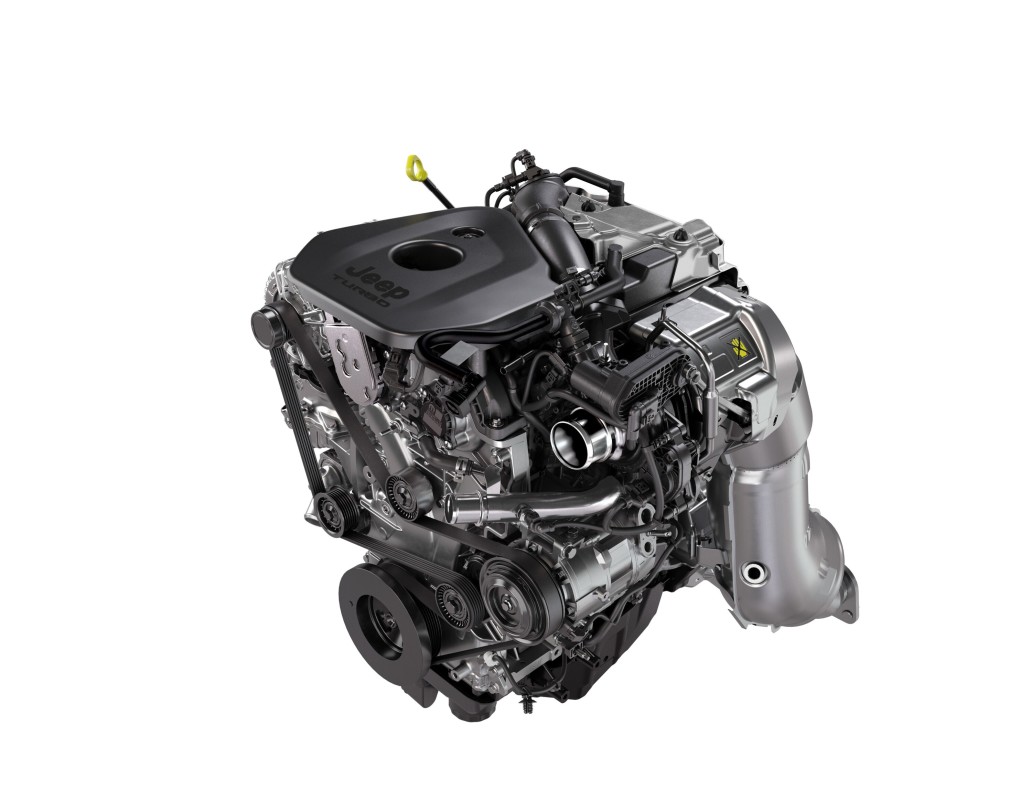
Four-cylinder engines have long been seen as inferior to powerplants with more cylinders, such as inline-sixes and V8s. But as the industry places greater emphasis on emissions, automakers are being forced to downsize and instead refine their four-cylinder engines. Mercedes, for example, has even bet on a 2.0-liter turbocharged plug-in hybrid inline-four for its high-performance C63. Jeep has also entered this space with the introduction of the 2.0-liter Hurricane 4 last year, which promises improved efficiency while delivering more power.
Jason Fenske of Engineering Explained recently took a deep dive into Jeep’s new power unit, even calling it “one of the most technically advanced four-cylinder engines ever,” especially for a mass-market brand. The engine debuted in the 2026 Grand Cherokee and is expected to expand across the lineup soon. For starters, it makes 324 horsepower and 332 lb-ft of torque, boasting a segment-leading 162 horsepower per liter.
A Closer Look Under the Hood
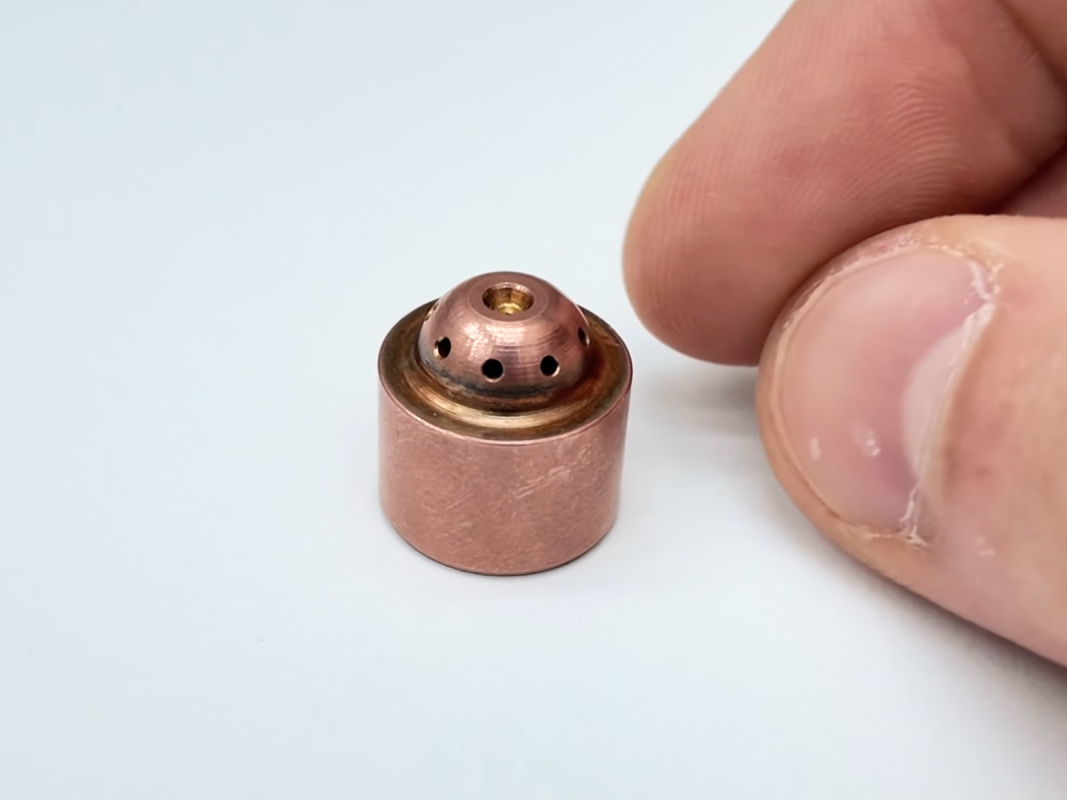
Jeep sent Fenske, a Toyota GR Corolla and Lucid Air owner, a tiny pre-chamber used in each cylinder of the Hurricane engine. The component features small holes that allow the air-fuel mixture to enter, where it is ignited by a spark plug during the compression stroke. Put simply, the pre-chamber provides a space where combustion can occur more consistently and efficiently. Each cylinder also has a second spark plug, typically used under low-load conditions, though the two plugs do not fire at the same time.
The Hurricane engine also features dual fuel injection per cylinder – both direct and port. These systems can operate independently or together, depending on the situation. Other highlights include electric cam phasing, a Miller-cycle setup, a 12:1 compression ratio, and a variable-geometry turbo that adjusts its vanes to optimize boost efficiency. Jeep claims the powertrain delivers up to 35 PSI of boost – put into perspective, that’s about 10 PSI more than the S58 inline-six found in BMW M models like the M4.
If that all sounds too technical, here’s the key takeaway: the new engine is said to make 20 percent more power while using 10 percent less fuel than the 2.0-liter in the Jeep Wrangler. It also produces 31 more horsepower and 72 more lb-ft of torque than the Pentastar V6, while delivering a slight edge in combined fuel economy at 23 mpg versus 22.
The Future of Jeep Power
It’s still too early to say what issues the new Hurricane engine might develop, especially over the long term. Stellantis has already dealt with recalls and other problems involving one of its newer powertrains, the 4xe plug-in, before it was dropped from the Grand Cherokee, so the hope is that this promising new engine won’t end up facing the same fate.
The new 2.0-liter four-cylinder engine isn’t available on the 2026 Grand Cherokee Laredo and Laredo X. Instead, it’s offered on the Laredo Altitude and higher trims, which start at $43,855.