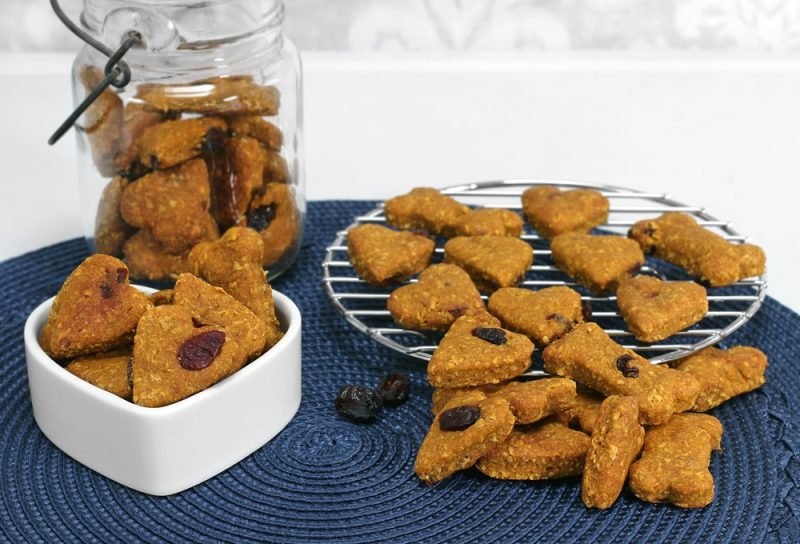
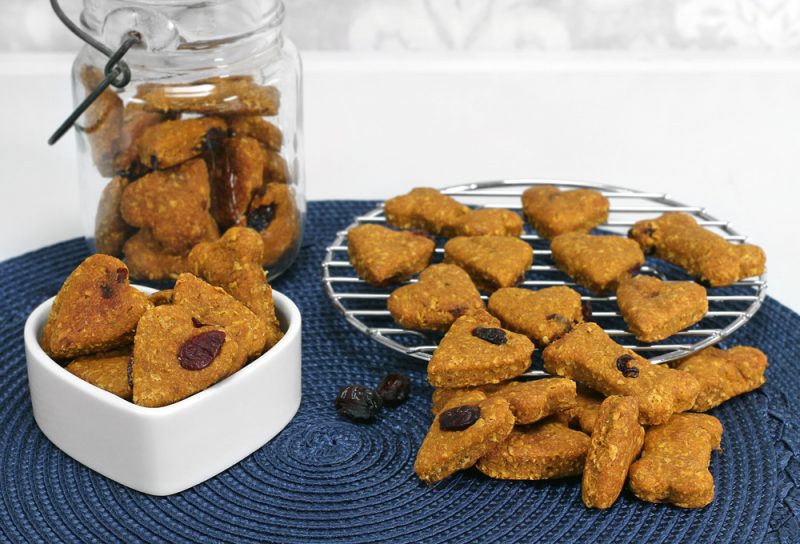
You’re scanning dog treat ingredient lists at the grocery store when you notice a pattern: chicken, rice, sweet potato, mystery “byproducts.” Then you see the price tag – $15 for a small bag of something your dog will demolish in a week.
Meanwhile, sitting in your grocery store’s meat section for about $3 a pound is one of the most nutritious things you could possibly feed your dog. Most people walk right past it because, honestly, it looks kind of unappetizing. But chicken liver is a nutritional powerhouse that puts those overpriced boutique treats to shame.
High-quality protein, loaded with vitamins A and B, packed with iron – it’s basically a multivitamin in meat form. And most dogs go absolutely crazy for the taste.

What Makes Chicken Liver So Good for Dogs?

Chicken liver isn’t just tasty, it’s a nutritional powerhouse. This organ meat delivers high-quality protein while staying relatively low in fat, making it an excellent addition to your dog’s diet when fed in moderation.
The vitamin and mineral lineup is impressive:
Vitamin A keeps your dog’s coat shiny, skin healthy, and vision sharp while supporting their immune system. B vitamins (including pyridoxine, cobalamin, riboflavin, and thiamine) fuel energy production, support metabolism, and maintain healthy cells. Iron helps produce red blood cells and supports everything from brain function to immune health.
Beyond these heavy hitters, chicken liver also provides vitamins K and D, plus minerals like copper, phosphorus, potassium, and zinc. It’s essentially a multivitamin in meat form.
Chicken Liver vs. Beef Liver: Does It Matter?
Both chicken and beef liver are solid choices, but there are some subtle differences worth noting.
Per 100-gram serving:
- Chicken liver: 119 calories, 16.9g protein, 4.83g total fat, 1.56g saturated fat
- Beef liver: 133 calories, 20.35g protein, 3.54g total fat, 1.33g saturated fat
Beef liver edges ahead on protein content, but chicken liver actually contains more iron and calcium. Since liver typically makes up only a small portion of your dog’s overall diet, usually as a treat or supplement, both options work perfectly fine. The best choice depends on your dog’s individual needs and any potential allergies. When in doubt, check with your vet.

How to Cook Chicken Liver for Your Dog
The golden rule: keep it plain. No butter, oil, salt, herbs, or spices. Dogs don’t need the extra seasoning, and some ingredients that taste great to us can be harmful to them.
Simple Prep Methods
Roasted Liver: Preheat your oven to 375°F. Line a baking tray with foil, lightly grease it with olive oil spray, then slice the liver into even pieces (anywhere from ½ to 2 inches thick). Bake for 20-30 minutes until thoroughly cooked, then let it cool completely before serving.
Boiled Liver: The easiest method: drop the liver into boiling water and simmer for about 15 minutes until tender. Let it cool, and you’re done. You can serve it as-is or chop it up and mix it into your dog’s regular food.
Homemade Treat Recipes That Actually Work
Liver Treat Bites
These are the kind of treats you can make on a Sunday afternoon and have ready for the entire week.
You’ll need:
- 1 cup rolled oats
- 1 cup all-purpose unbleached flour
- ½ pound chicken liver, rinsed and trimmed
- 2 large eggs
- 1 tablespoon olive or vegetable oil
Here’s how: Preheat your oven to 325°F and grease a 9-inch square baking dish. Pulse the oats in a food processor until finely chopped (10-15 seconds), then transfer to a mixing bowl and add the flour. Process the liver for another 10-15 seconds, add the eggs and oil, then blend everything together. Mix the liver mixture into the oat and flour combo, pour it into your baking dish, and bake for 30-40 minutes until firm. Let it cool completely, then cut into bite-sized pieces.
Liver Meatballs
If your dog is a meatball enthusiast (and honestly, what dog isn’t?), this recipe is a winner.
Ingredients:
- 1 pound chicken liver
- 1 egg
- ½ cup coconut flour
- 2 tablespoons nutritional yeast
- 1 tablespoon olive oil
Instructions: Preheat to 350°F. Rinse and dry the liver, then brown it in a skillet with olive oil over medium heat. Combine the cooked liver, egg, yeast, and olive oil in a food processor until smooth. Transfer to a bowl, stir in the coconut flour, then roll into appropriately sized meatballs based on your dog’s size. Bake on a lined sheet for 20 minutes or until golden brown, and let them cool before serving.
The Moderation Talk (It’s Important)
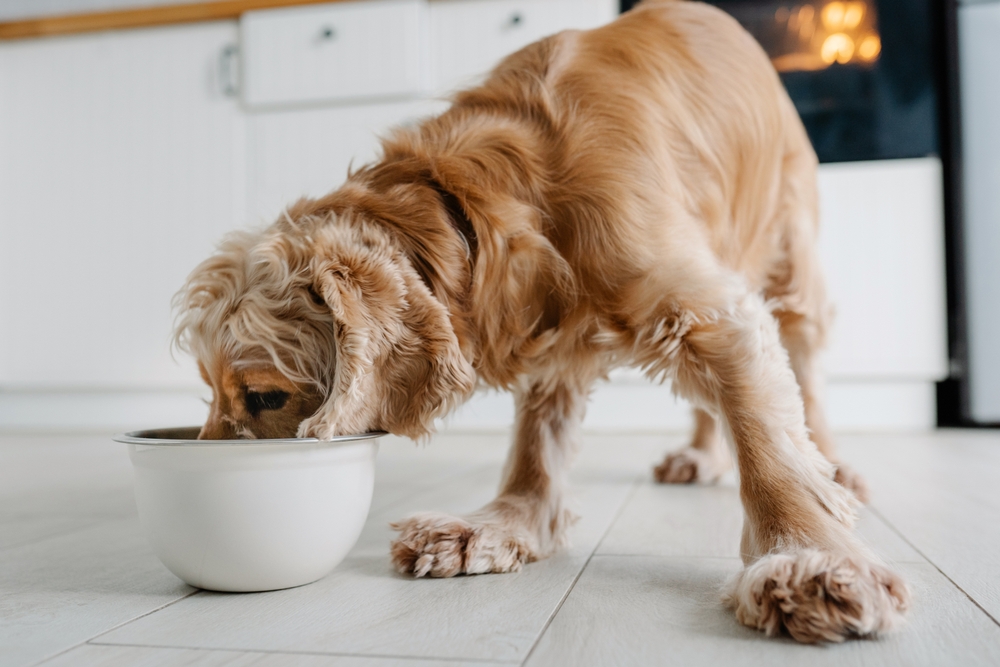
As nutrient-dense as chicken liver is, you can absolutely have too much of a good thing. Feeding liver in moderation helps your dog enjoy all the benefits while avoiding potential health issues.
Vitamin A Toxicity (Hypervitaminosis A): When dogs consume large amounts of liver regularly over time, they can develop vitamin A poisoning. Acute poisoning from a sudden overload can cause drowsiness, vomiting, irritability, and in severe cases, skin peeling. Chronic over-supplementation leads to a slower buildup with less dramatic but still serious symptoms. This is rare in dogs eating a balanced diet but becomes a risk when liver makes up too much of their food intake.
Iron Overload (Hemochromatosis): Since liver is high in iron, excessive consumption can overwhelm your dog’s ability to process and eliminate the mineral, leading to dangerous buildup in the bloodstream. Left untreated, iron overload can cause joint pain, organ damage, and potentially be fatal.
Digestive Issues: Any nutrient-dense food can upset your dog’s stomach, especially if they’re not used to it. Watch for signs like vomiting, diarrhea, loose stools, or general distress. If these symptoms appear after feeding liver, contact your veterinarian.
The Bottom Line
For most dogs, chicken liver is a safe, affordable way to add serious nutritional value to their diet. You can keep it simple with basic cooking methods or get creative with homemade treats. Either way, your dog gets a protein-rich snack packed with essential vitamins and minerals.
Just remember: plain preparation, moderate portions, and you’ve got yourself a treat that’s actually worth making. Your dog will definitely thank you for it.
Feature Image Credit: RoJo Images, Shutterstock
Did You Know?
- Our brand-new posts are rounded up and included in our weekly emails. Don’t miss out on the latest – sign up for our newsletter below!