Could be Better
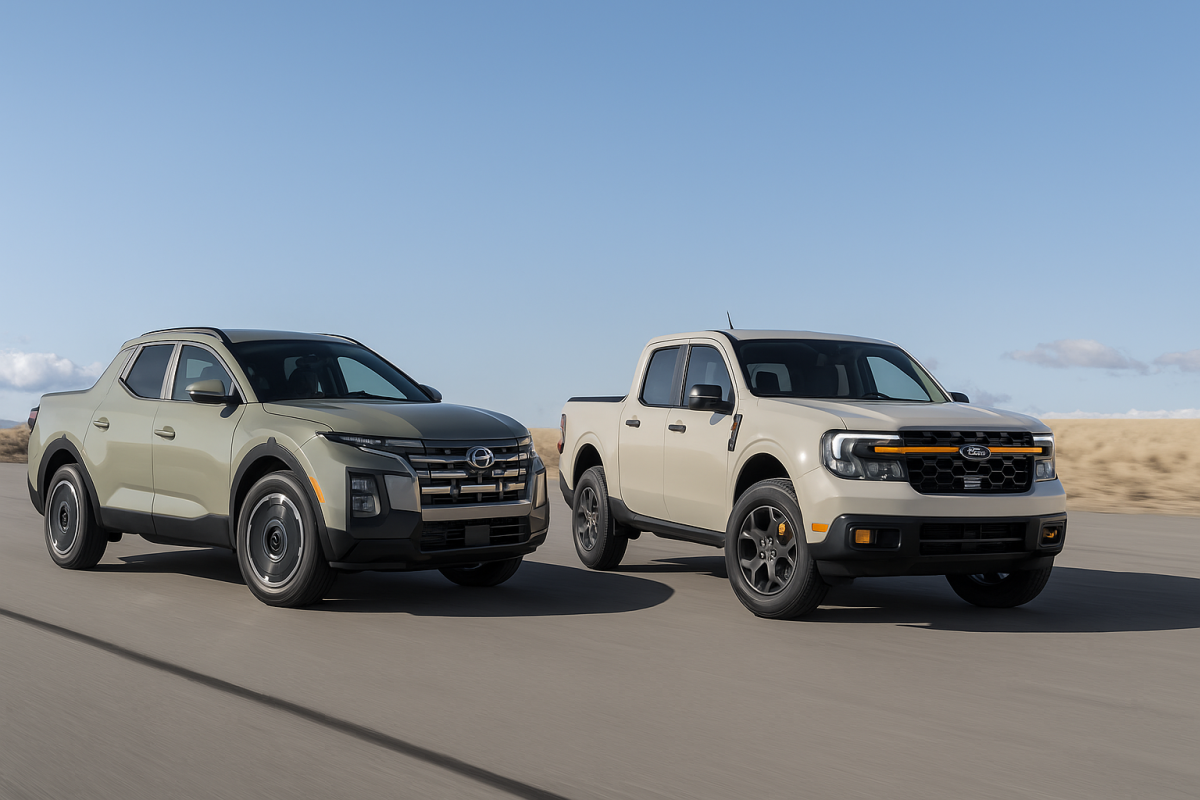
For every midsize truck enthusiast, there’s probably a person or two who’ll think it’s too much or not enough. The makers of the outgoing Santa Cruz think that the midsize pickup truck segment is lacking in some key departments.
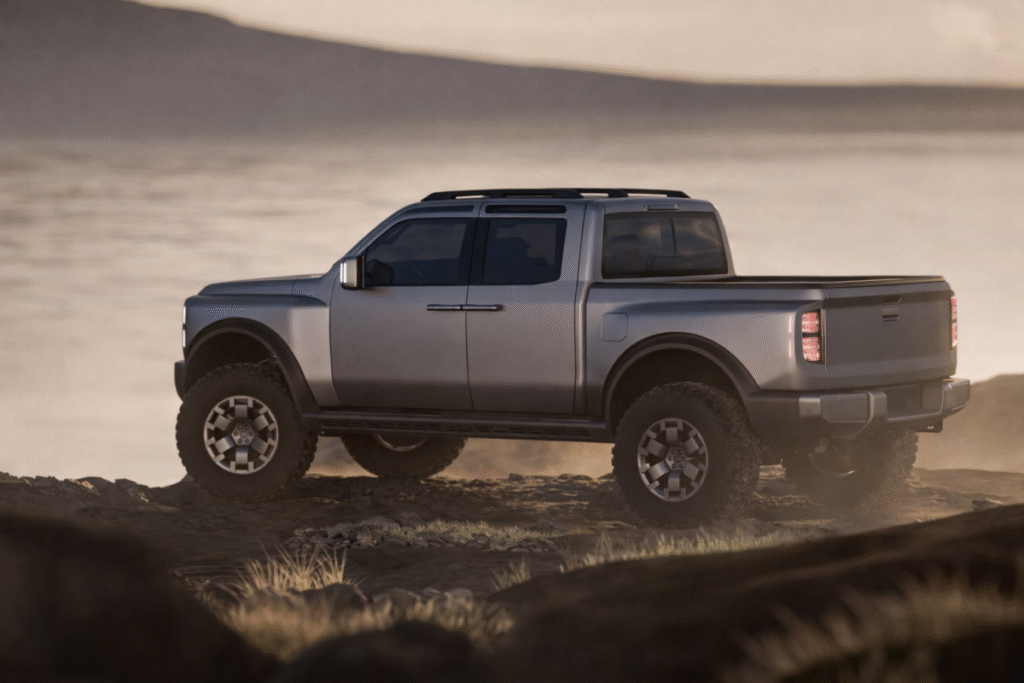
Olabisi Boyle, Hyundai Motor America’s vice president of product planning and mobility solutions, told The Drive that Hyundai has learned a lot from the compact Santa Cruz. In fact, those lessons will be on full display when the new Boulder Concept-based body-on-frame midsize Hyundai truck becomes available in the near future.
Autoblog (AI-generated image)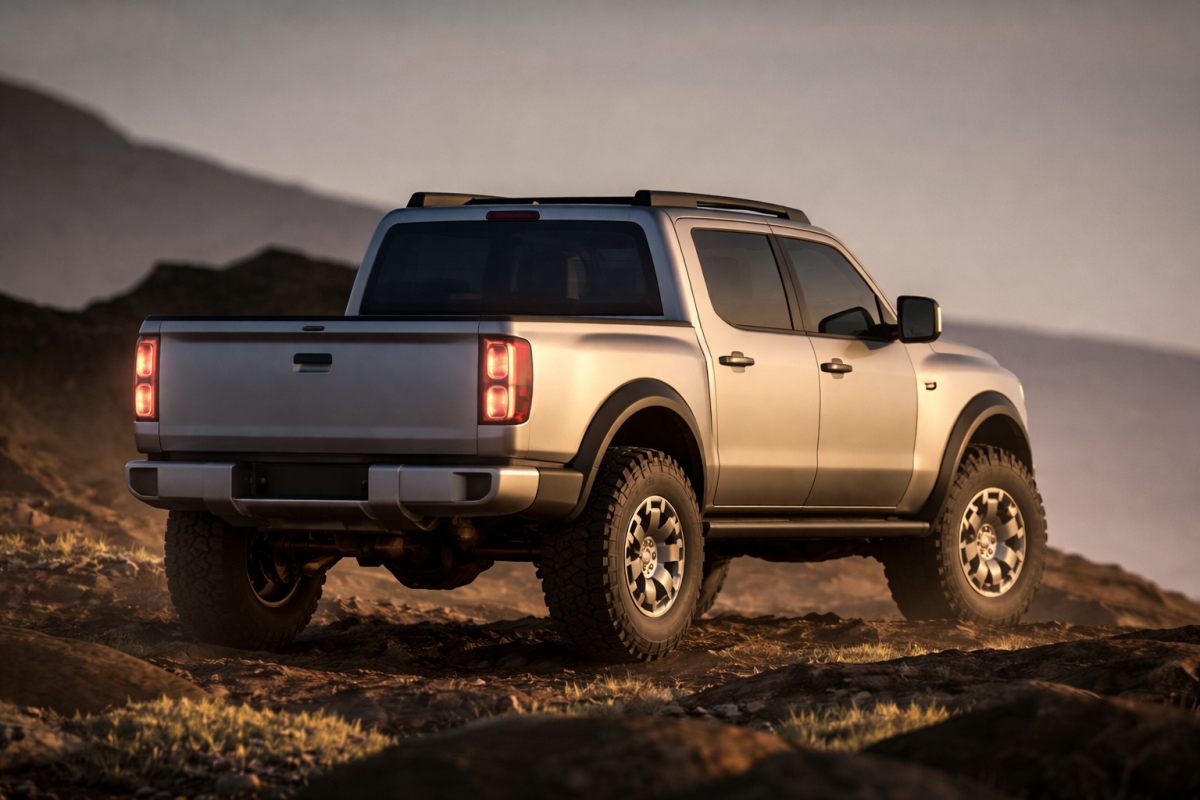
Have a (Better) Seat
Whether you’re looking at the Toyota Tacoma, Ford Ranger, or even the Nissan Frontier, midsize pickup trucks have one thing in common: their rear seats suck. Whether it’s legroom, bolstering, or seat angle, getting into a comfortable seating position is a challenge in any midsize truck.
Boyle stated, “Some certain things [buyers] like are interior comfort in all rows, not just the first row. And it might seem small, but it’s important.” A good majority of midsize pickup trucks are crew cab, meaning they seat up to five and can serve as an all-around family and work hauler.
One such car that I’ve personally experienced that isn’t available in the United States is the BYD Shark 6 DM-i. The rear seats offer crossover-like comfort for rear passengers, thanks to not-an-afterthought rear-passenger ergonomics and a bench with a bit of recline. That said, Hyundai may be fitting a rear bench that is actually livable in its upcoming midsize truck.
Autoblog (AI-generated image)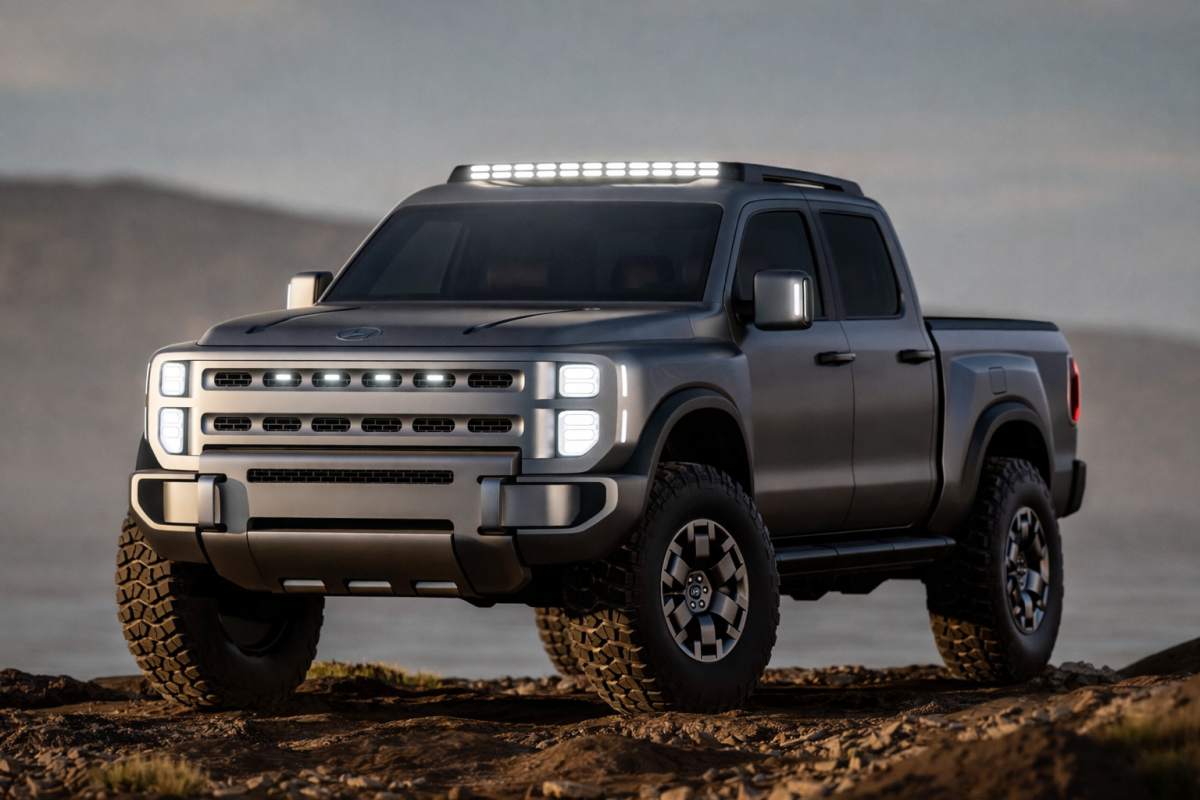
Fuel Economy
As of now, fuel prices remain high, and consumers are feeling the burn. Fuel efficiency has since risen to the top of the list for many new car buyers, and hybrids and fully electric vehicles have been getting a bit more attention as of late. Hybrid pickups have entered the consumer sphere, and Hyundai has a wealth of powertrains to choose from to meet consumer wants and needs.
In other parts of the world, Extended Range Electric Vehicles (EREVs) and Hybrid Electric Vehicles (HEVs) might be key to driving greater interest in the midsize pickup truck category. There are EREVs offering a range of up to or over 600 miles on a full tank and a full charge.
Hyundai has fully-electric and hybrid-electric powertrains to pick from for its new midsize truck, “but the idea is to listen to the customer in this mid-size truck market, and do they care about efficiency over towing, over fuel economy,” Boyle states.
Each powertrain has its own pros and cons, and Hyundai can choose from hybrid, electric, and internal combustion systems for its new midsize truck. Boyle said that the brand is “fortunate enough to have that diversity of powertrain to decide which is best for that, but right now we haven’t said which it’s going to be.”
Hyundai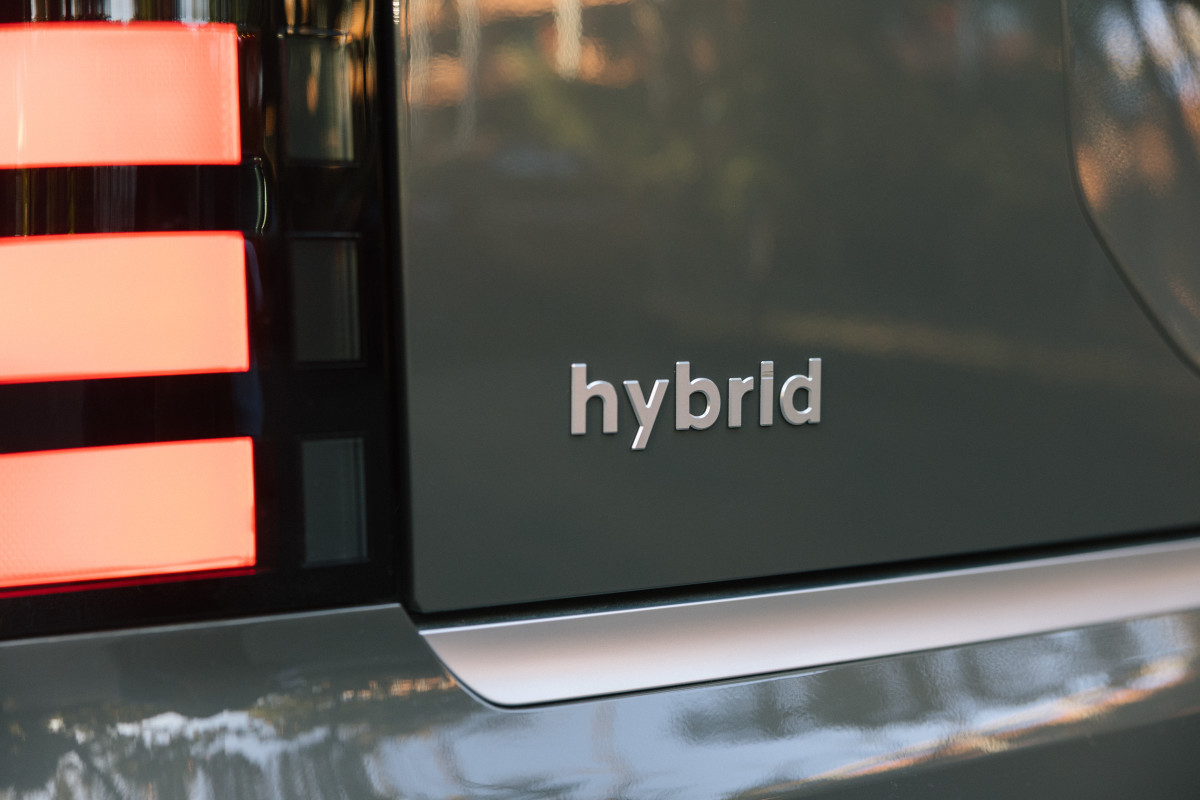
Other Features
Advanced driver-assist features are more or less standard on any top-of-the-line pickup truck nowadays, and Hyundai will be able to deliver on that as well. However, another key feature of the new Hyundai midsize will be buttons. Previously, Hyundai has made it clear on its stance with buttons, and we’re going to see that in the new pickup truck.
I’d just like to point out, however, that the new Ioniq 5 was caught with almost zero physical controls, so I’d still take things with a grain of salt at this point. Call me skeptical, judgmental, or whatever, but hopefully we see physical controls in the new truck.
Boyle did reassure us with her statement, citing that “key things that you have to do repeatedly are going to stay manual knobs. They just are. You’re just not in the game if you don’t have the capability.”
In a nutshell, better rear passenger space, better fuel economy, and better ergonomics are what we can expect from the new Hyundai midsize pickup. The South Korean brand will face an uphill battle, as several competitors already have established nameplates. However, as some brands have proven, a good market disruptor can make all the difference, and healthy competition is always good for the end consumer.
ND Adlen and AI