Growth Continues Amid a Cloud
Right now, Hyundai’s got a headache with the Palisade in the US, enough to trigger a stop-sale. It’s the sort of thing that can turn opinions fast. But if you look at the bigger picture, Hyundai’s been on a roll in America – 2025 was its best sales year yet, and that didn’t happen by chance. The company has tightened up its lineup, pushed harder into electrification, and steadily improved how the brand is perceived.
At its latest shareholder meeting, Hyundai made it clear it’s not slowing down. Not even one bit. The Palisade issue looks more like a speed bump than a detour. Its focus remains on long-term growth, and the latest plans show that the South Korean marque is betting big on scale, flexibility, and on building more cars closer to where they’re sold.
Hyundai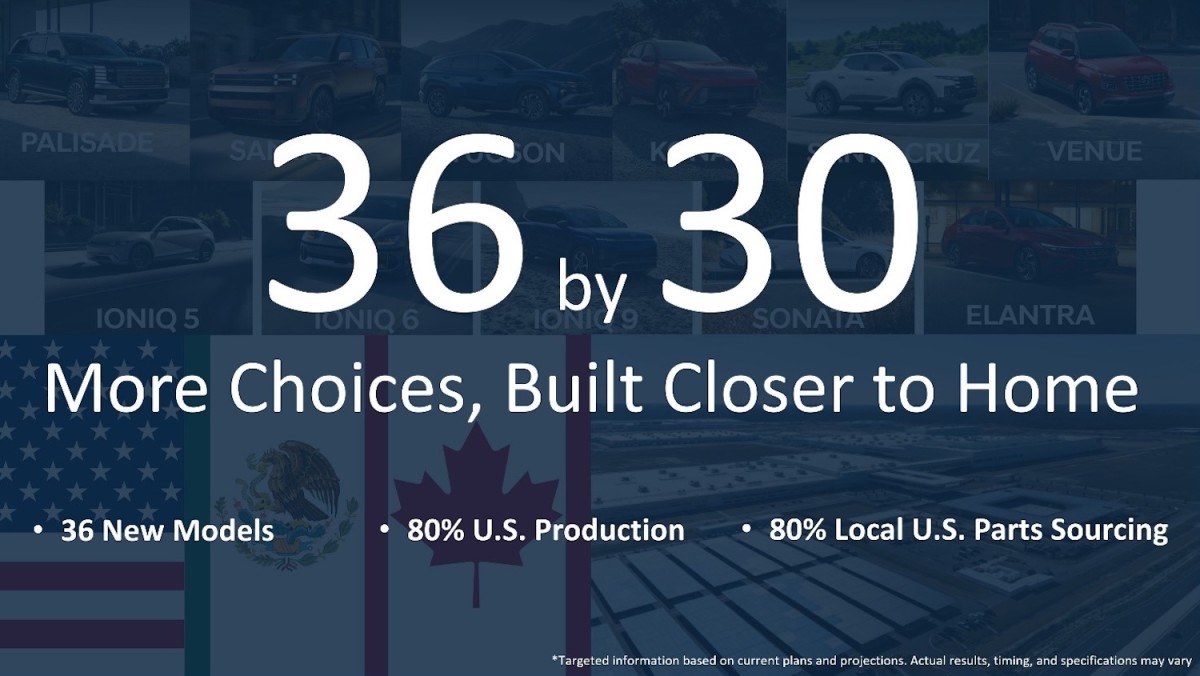
A Product Offensive Takes Shape
The heart of Hyundai’s plan is a massive product rollout. From 2026 to 2030, it’s lining up 36 new or heavily updated models for North America.
Hyundai’s lineup will cover everything from passenger cars and SUVs to trucks and commercial vehicles, underscoring its ambition to be a true full-range automaker. Expect more choices within each segment, too, including new trims and performance versions like XRT and N models.
Hyundai is also broadening its powertrain lineup. Instead of picking one path, it’s offering gas engines, hybrids, EVs, and extended-range electrics. The extended-range option could appeal to buyers who aren’t ready to go all-in on electric yet.
Hyundai’s also eyeing new territory. A new midsize pickup – possibly a body-on-frame replacement of the outgoing Santa Cruz – is in the works. There’s a commercial van coming with a partner, plus talk of off-road models and a possible return to sportier cars.
Hyundai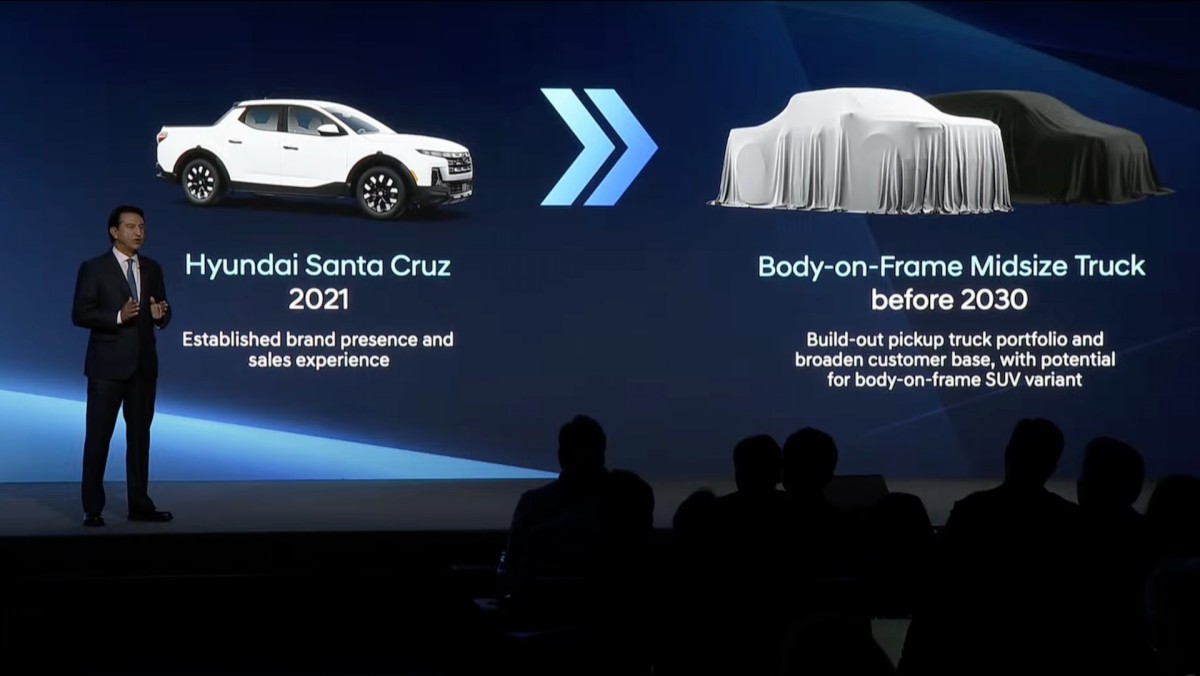
Localizing for Long-Term Gains
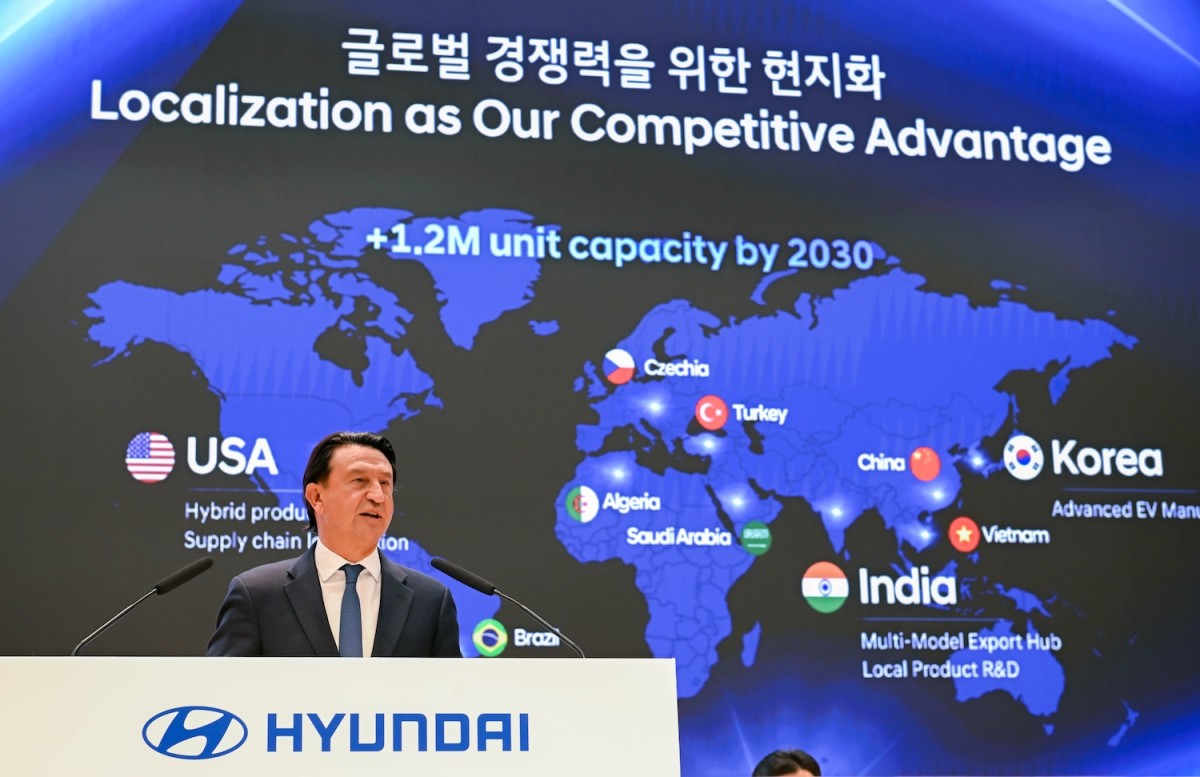
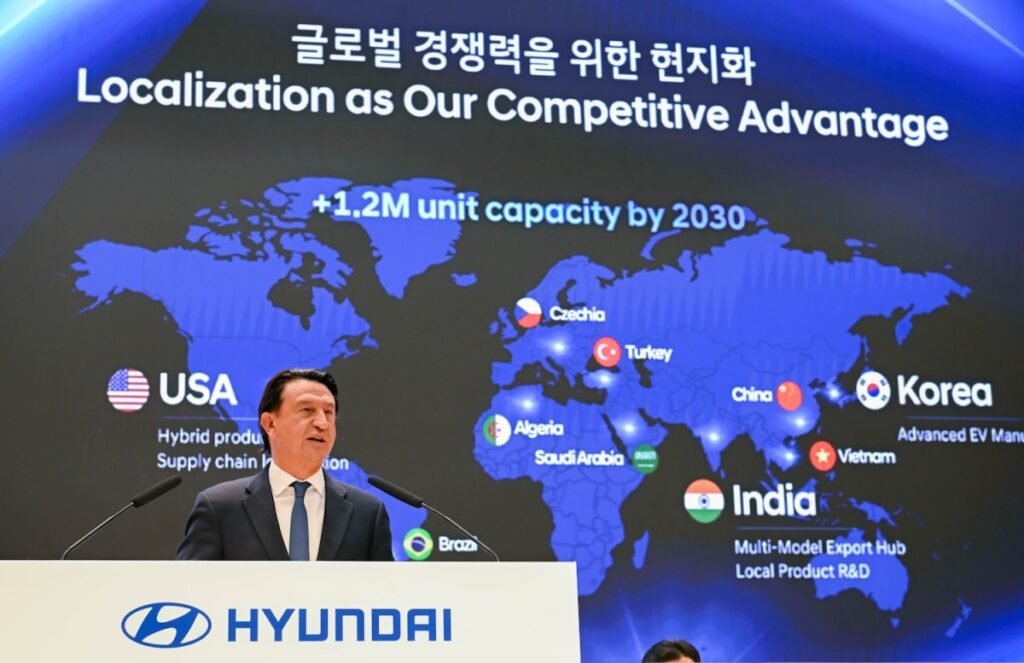
Hyundai’s not just focused on new models – it’s also ramping up local production. By 2030, the company aims to have almost 80% of the cars it sells in the US built there, with most parts sourced from local suppliers.
That’s all part of a $26 billion investment in US manufacturing, supply chains, and new plants. It’s a practical move. Building more cars and sourcing more parts locally means less risk from tariffs or global hiccups, and it allows Hyundai to respond more quickly to what buyers want.
It fits Hyundai’s bigger strategy: build cars where you sell them. With tougher competition and changing rules, having a strong local presence isn’t just nice to have – it’s a must.
Put it all together, and Hyundai looks ready to play the long game. Even with bumps in the road, it’s focused on growing, diversifying, and staying in the fight in one of its biggest markets.
Hyundai