The EV Holy Grail Is Getting Closer
Solid-state batteries have long been positioned as the holy grail of electric vehicle technology. They promise dramatically higher energy density, faster charging, longer lifespan, and improved safety compared to today’s lithium-ion packs. For perspective, the original 2011 Nissan Leaf managed just 116 miles of real-world range. That was groundbreaking at the time. Today, the industry is chasing EVs capable of charging in minutes and lasting decades.
Toyota has repeatedly promised to bring solid-state battery EVs to market later this decade. Now, according to a Reuters report out of Tokyo, a key supplier has taken a major step forward. Idemitsu Kosan, Japan’s second-largest oil refiner, has made a final investment decision and begun construction of a large pilot plant to produce solid electrolyte materials for all-solid-state lithium-ion batteries.
Donut Lab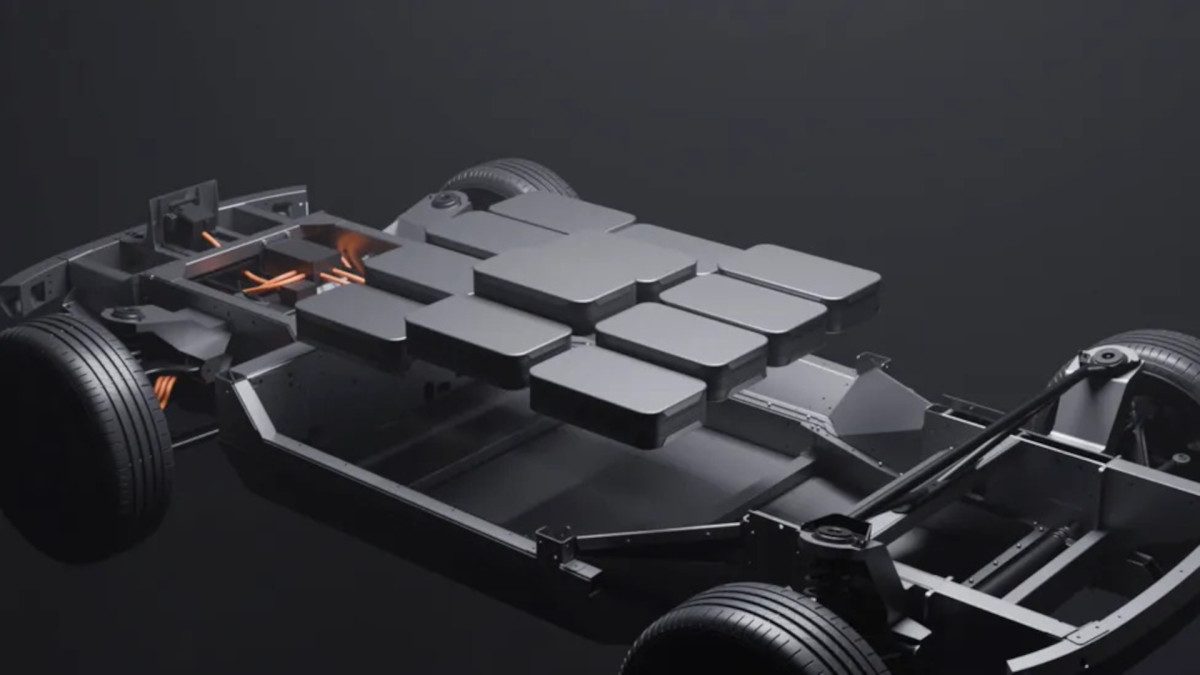
Idemitsu and Toyota Move Into the Next Phase
Idemitsu is collaborating directly with Toyota to commercialize next-generation batteries, supporting the automaker’s goal of launching EVs equipped with all-solid-state batteries between 2027 and 2028. The new facility will focus on developing mass-production technology for solid electrolytes, a core component that replaces the flammable liquid electrolyte found in conventional lithium-ion batteries.
The company is already producing samples at two smaller demonstration facilities, including one primarily dedicated to materials development for Toyota. Based on results from the new pilot plant, Idemitsu plans to construct a larger-scale facility capable of producing several hundred metric tons of solid electrolyte annually. Construction is underway at Idemitsu’s Chiba plant near Tokyo and is expected to be completed in 2027, with Chiyoda Corp contracted to build it. The output will be used in Toyota’s future solid-state EV batteries.
Toyota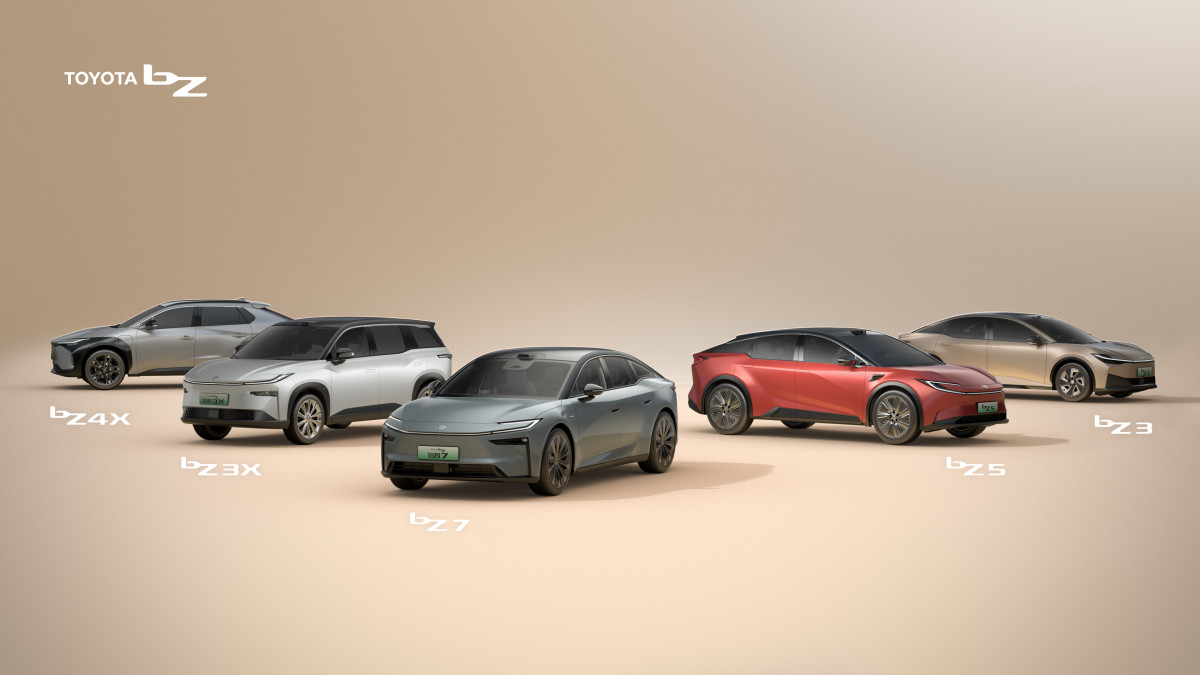
The Global Race, The Hype, and The Reality
Toyota is not alone. BMW has stepped up its own solid-state development efforts, and Rimac is reportedly working on a solid-state battery for a future Bugatti project. Meanwhile, China may already be shaping the narrative by formally defining what constitutes a solid-state battery before global standards fully settle. The competitive pressure is intensifying, and whoever commercializes the technology at scale first could reset the EV landscape.
The promises are massive. Some reports suggest five-minute charging is possible. Toyota has even indicated its next-generation batteries could last up to 40 years. Yet not every automaker is fully convinced the timeline is that simple. Even Toyota and Honda executives have acknowledged that technical and manufacturing hurdles remain, particularly around durability, scalability, and cost. Solid-state batteries may be the holy grail, but they have also become the industry’s most delayed breakthrough.
Still, Idemitsu’s decision to break ground on a dedicated pilot plant signals this is no longer theoretical lab work. It is industrial-scale preparation. If Toyota hits its 2027–2028 target, the EV conversation could shift overnight from incremental range gains to generational transformation. And compared to the 116-mile Leaf that started it all, that future would look almost unrecognizable.