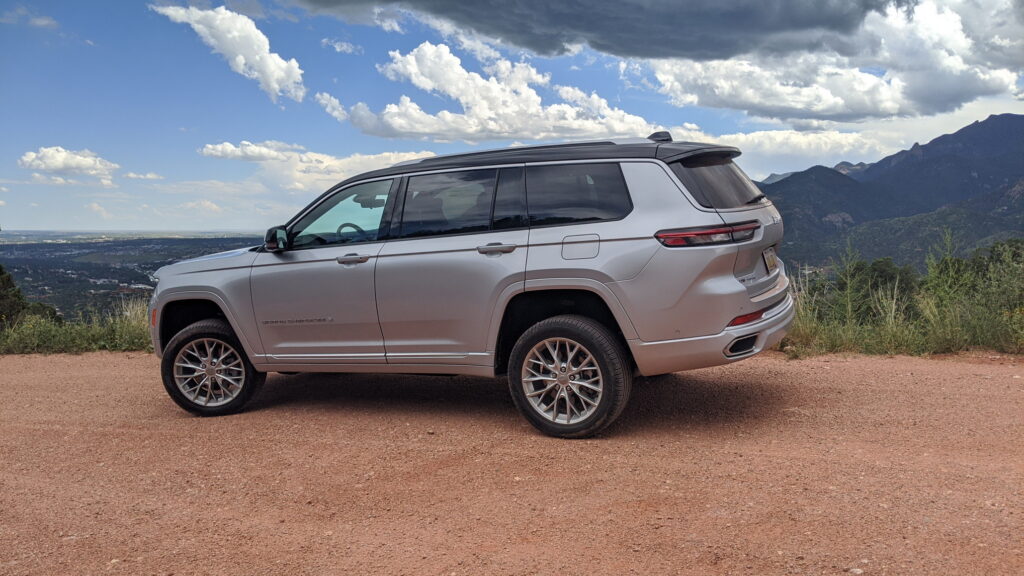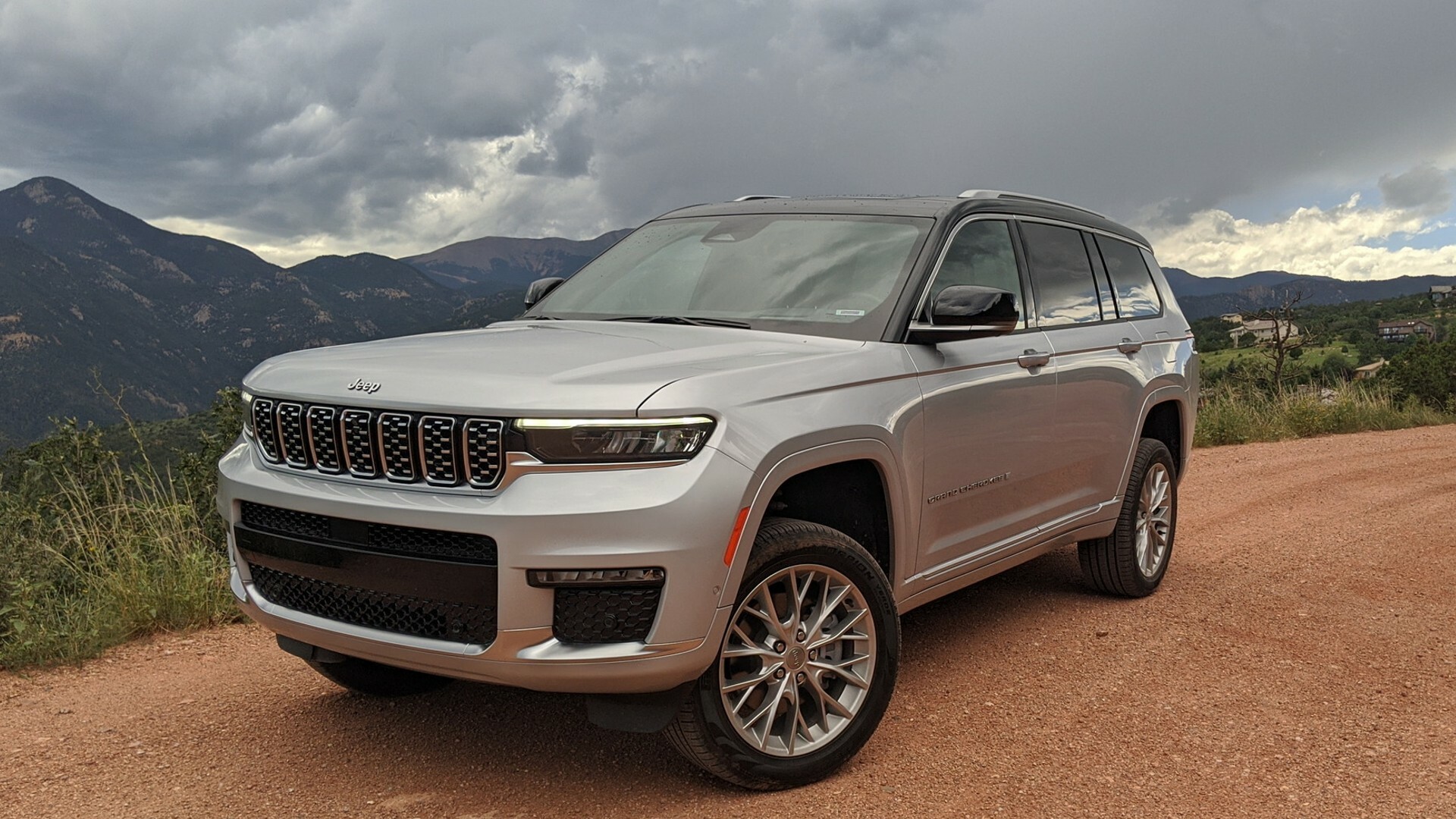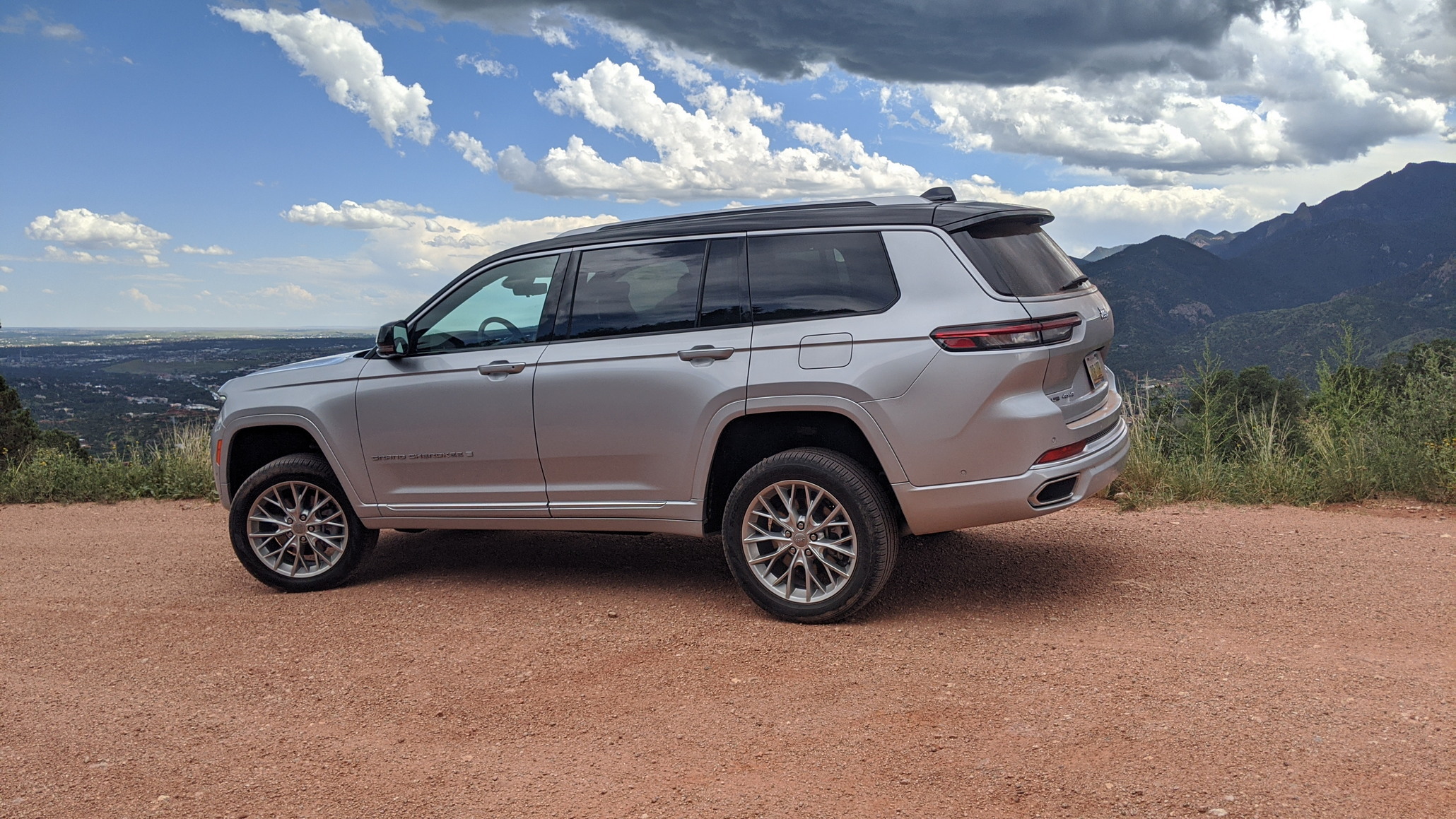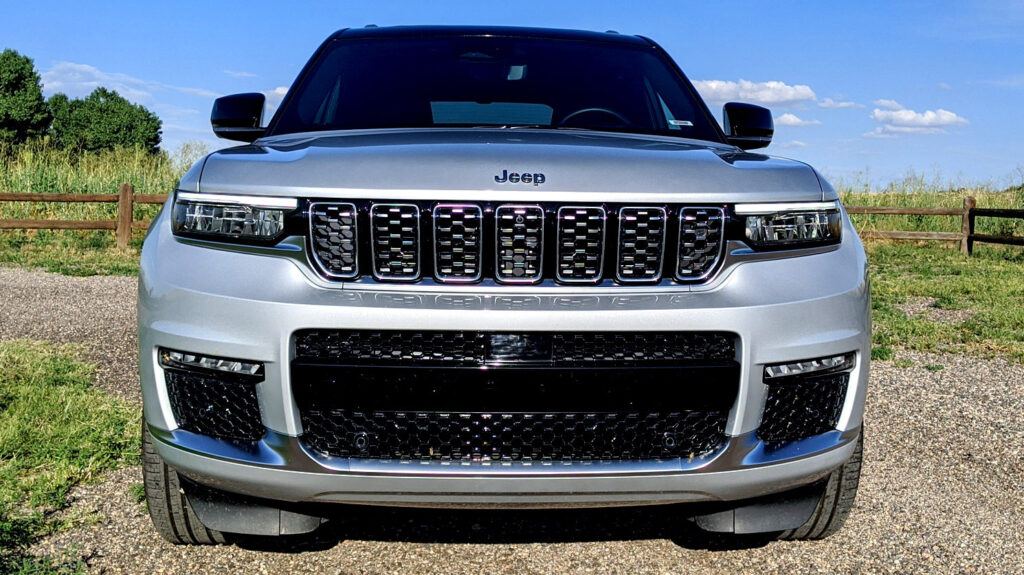
- Jeep is recalling over 80,000 Grand Cherokees for bad repairs.
- Rear coil springs could detach if prior fixes were incomplete.
- Dealers will inspect and repair all affected vehicles for free.
Recalls are a part of automotive manufacturing. There’s no way to make an actually perfect car, much less make sure that every single one that rolls off the line is problem-free. That said, it’s a bit odd when an automaker has to recall a car for the same issue it intended to fix with a previous recall.
That’s exactly what more than 80,000 Jeep owners are about to wrestle with.
More: Jeep Recalls Hybrids It Bricked With Software Update
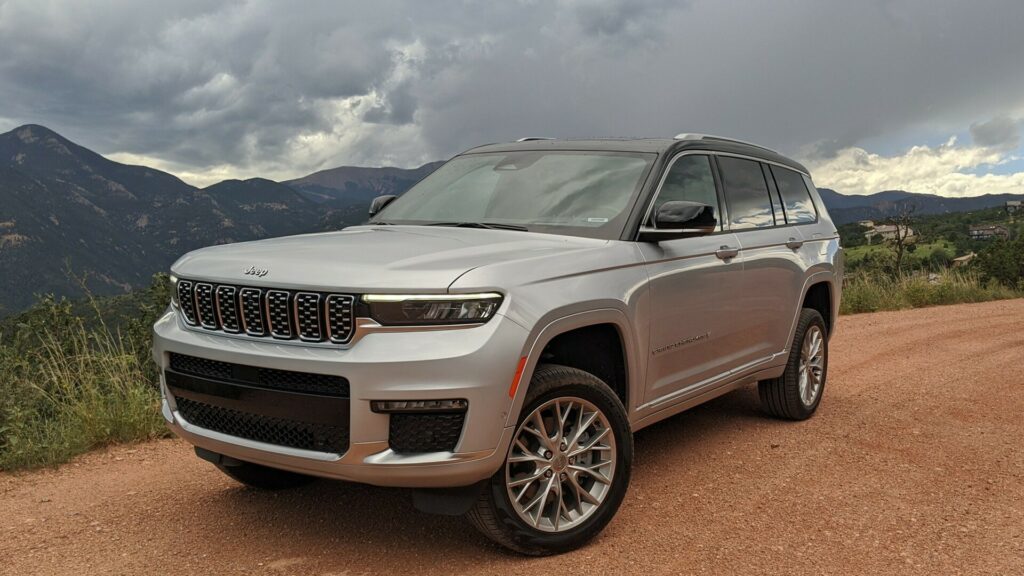
Documents filed with the NHTSA under campaign number 26V051 say that 80,620 vehicles in total could need a repair of a prior repair. That includes 29,139 examples of the standard 2021–2023 Jeep Grand Cherokee and 51,481 units of the three-row 2021–2023 Grand Cherokee L. Vehicles equipped with air suspension are excluded from the campaign.
What Went Wrong This Time?
According to Stellantis, the issue traces back to Recall 23V413, also known internally as FCA recall 64A. During repairs carried out under that earlier campaign, some of the over 345,000 vehicles included may have had their rear coil springs installed incorrectly or left in an incomplete repair state.
As a result, the spring can move out of position and, in extreme cases, detach entirely from the vehicle.
That’s pretty clearly a safety issue. In the previous action, technicians were told to inspect the springs to ensure that they were positioned correctly in proper orientation with the spring isolators. In this case, it appears that dealer workers will re-check the position of these springs and again, fix or re-position them if necessary.
At the time of filing the recall, Jeep says it knew of 20 customer assistance records and 284 warranty claims potentially tied to the problem, though it reports no known accidents or injuries linked to the defect.
What Happens Now?
Dealer notifications are scheduled to begin January 30, 2026, with interim owner letters expected around February 12. A full repair notification is planned for March. Owners can already check their VINs on NHTSA’s website, and all repairs will be performed free of charge.