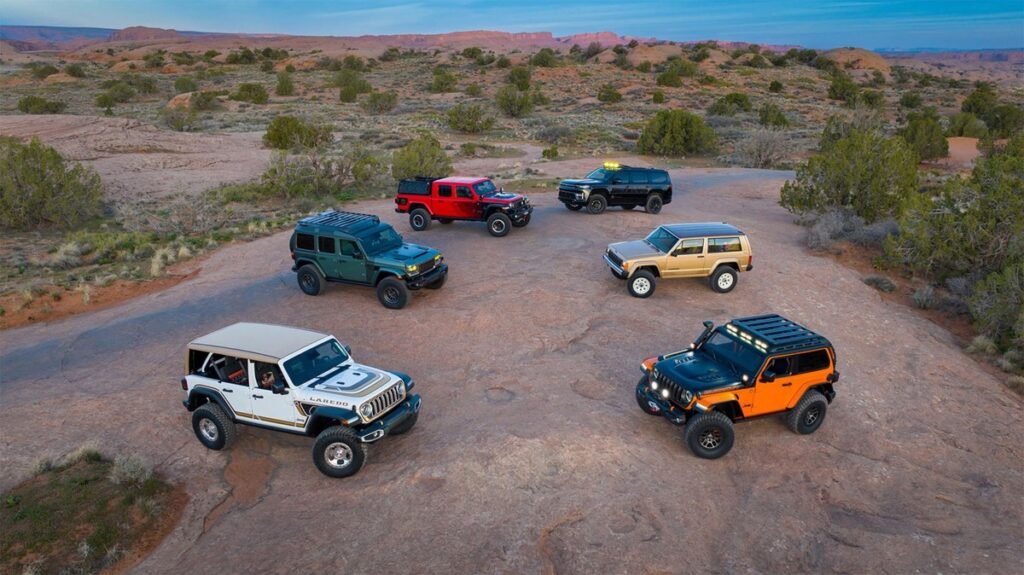
Spring is finally here. Well, maybe. But the folks planning Jeep’s annual Easter Safari are nothing if not optimistic. To mark the 60th excursion to Moab, Utah the Jeep team has come up with six wild new concepts, including one very retro package looking to the past to get a sense of the brand’s future.
“Moab isn’t just a place we visit,” said Bob Broderdorf, the Jeep CEO. “Easter Jeep Safari has shaped the Jeep brand for decades, fueling the evolution of our 4×4 vehicles and strengthening our bond with the community and the thousands of passionate Jeep enthusiasts who return year after year.”
“Runners”
Unlike the concept vehicles you typically see at an auto show, these are real “runners,” largely based on existing Jeep products and using an array of parts and accessories already available in the Mopar parts catalog. The one exception? An original XJ Cherokee that was found in mint condition and given a major makeover – with a handful of, what else retro “Easter eggs.”
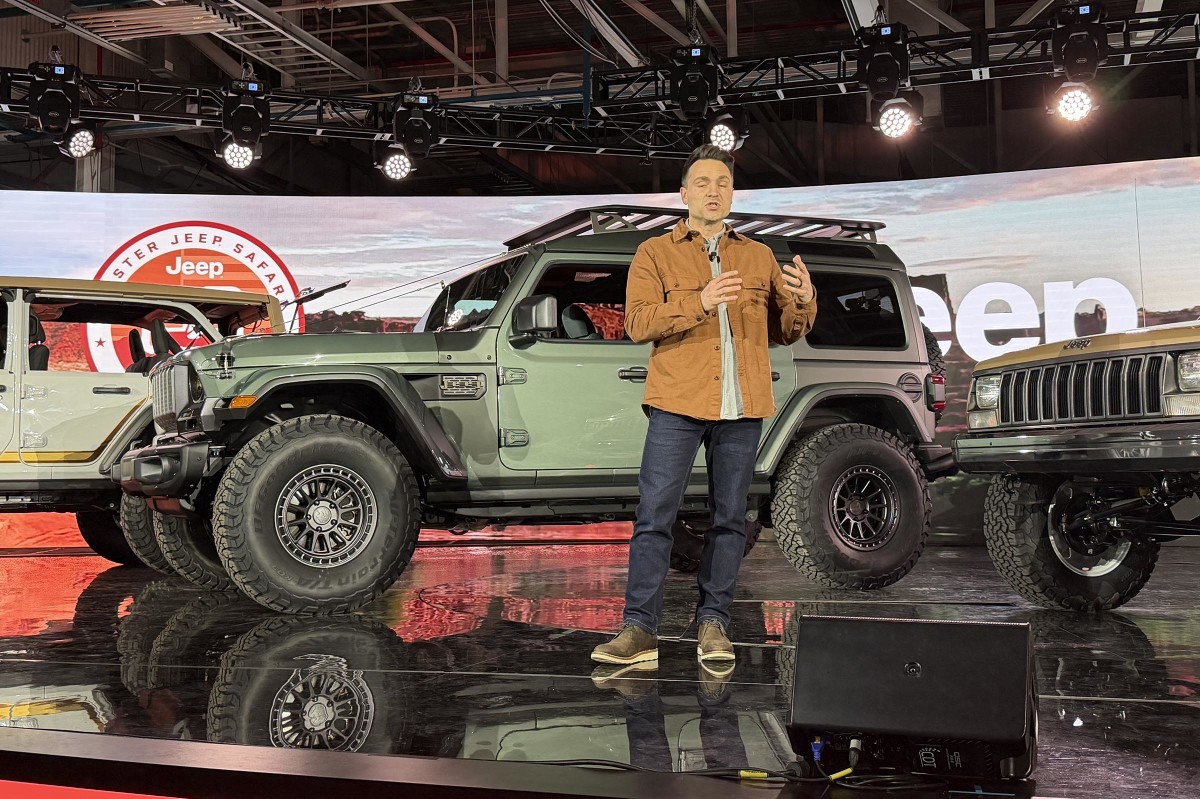
While you likely won’t see production versions of any of these concept vehicles, said Vince Galante, Vice President, Jeep Global Design, they could have a big influence on what Jeep rolls out in the future. “We get a lot of knowledge out of Moab that you can’t get from design school.” And that’s translated into features like rock rails, roof racks and lighting integrated into today’s Jeeps, as well as the accessories the brand offers, he explained.
Here’s a look at the six Jeep concepts that will be attacking the rugged trails of Moab over the upcoming holiday weekend.
Jeep Wrangler Anvil 715 Concept
This overlanding concept started out as a Wrangler Unlimited Rubicon, picking up on the theme of the earlier Jeep Bug Out concept. The goal, the automaker explained, was to “evolve it into a more refined, boundary-pushing expression.”
Powered by a Hemi V8, Anvil 715 gets a non-removable roof, appropriate for overlanding and topped by an integrated roof rack meant to handle extended trips off-road. The nose of the concept was restyled to pick up on the look of the old 1960s-era SJ-series Jeeps. Other features include auxiliary front and rear-facing lights, heavy-duty steel bumpers, and an integrated onboard air system to permit quick tire adjustments out on the trail. The interior has been updated to improve comfort on long days off-grid, with a specially modified trail-mapping system integrated into a dedicated screen on the IP.
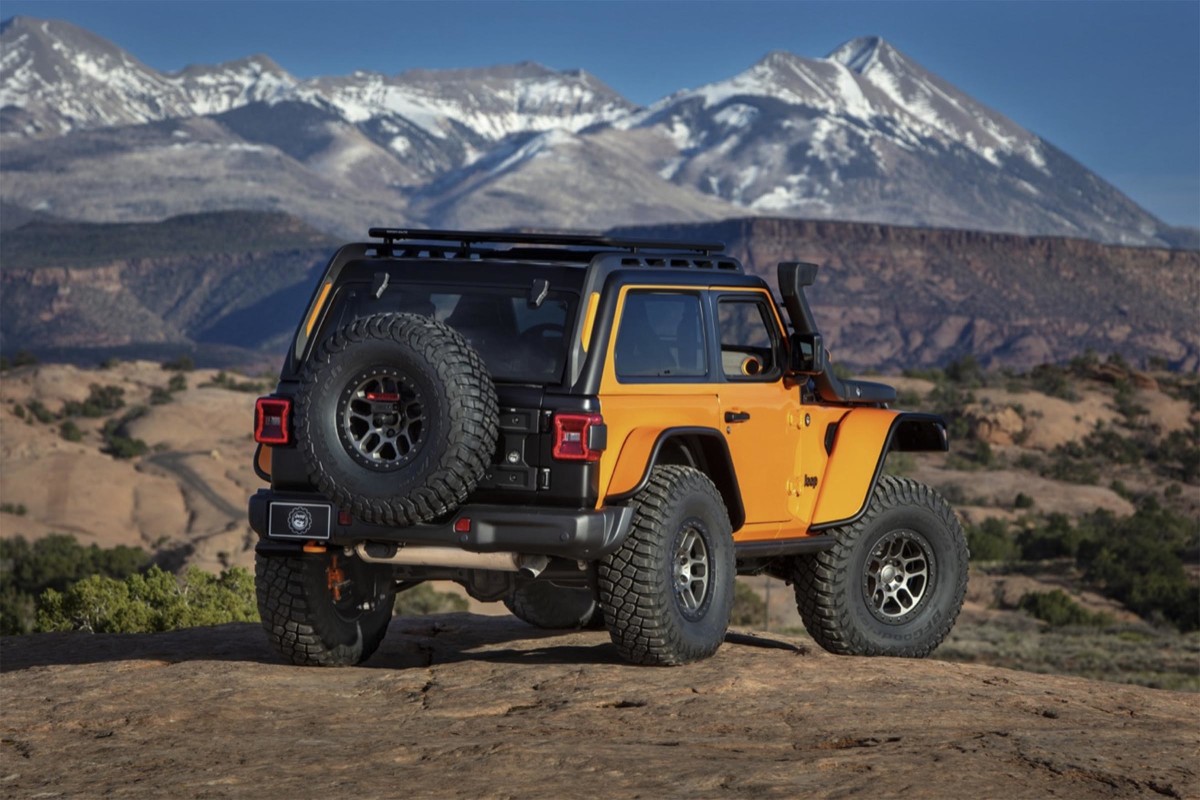
Jeep Wrangler Buzzcut Concept
The idea behind Buzzcut was to create a 2-seat “adventure machine, with extreme capability and expanded storage for longer excursions.” That meant out with the back seat which was replaced by a Diabolical Slipstream security enclosure with a lockable drawer storage system.
Related: How Jeep’s New Four-Cylinder Makes More Power Than a V6
Powered by a 2.0-liter turbo-four, this bright orange concept Jeep got a 2-inch lift, with an added steering stabilizer. It rides on 17-inch beadlock wheels with 37-inch BFGoodrich KM3 all-terrain tires. Flat fenders and wide rock rails ensure it can take on just about any trail, while steel bumpers minimize the risk of damage up front. An integrated rear bumper step makes it easy to access the additional storage mounted atop Buzzcut’s reinforced roof rails.
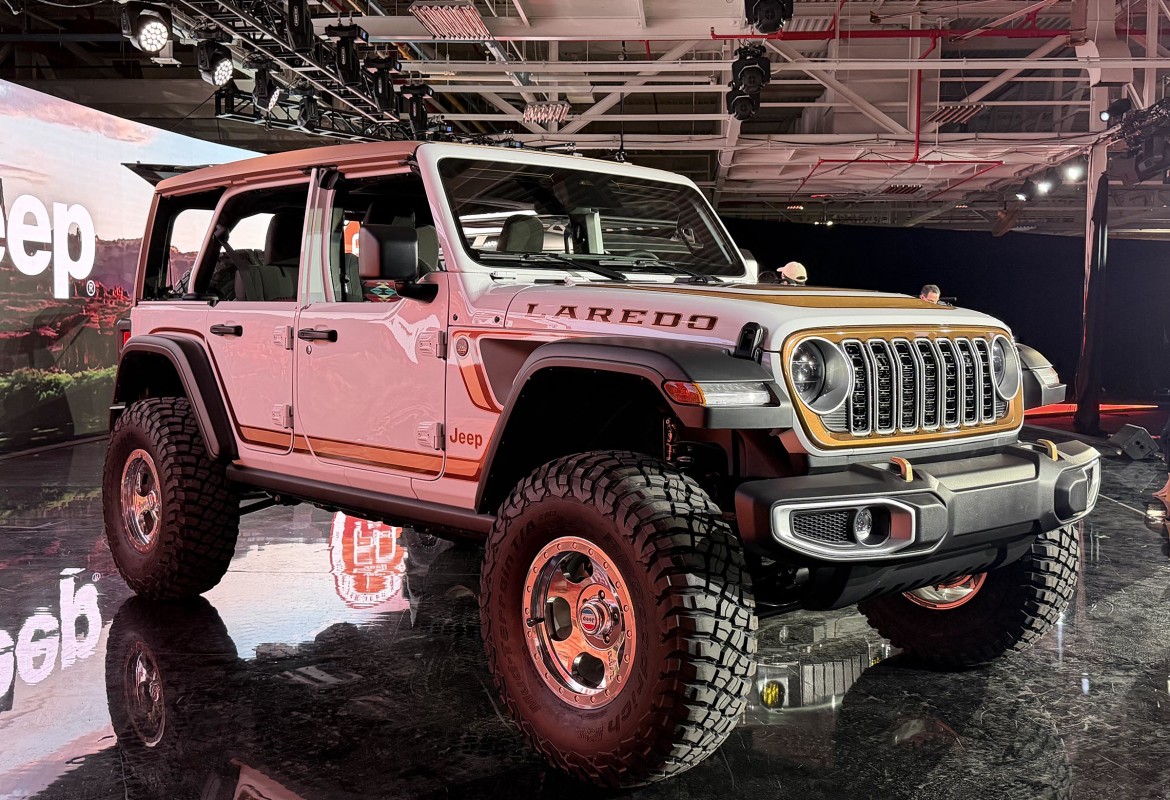
Jeep Wrangler Laredo Concept
“The Jeep Wrangler Laredo concept strips Wrangler down to its essentials, then turns the intensity back up,” the automaker explains. One of the goals behind this project SUV was to see how future Laredo models could pick up on heritage styling while blending in more modern capabilities.
Related: The Jeep Wrangler Has Many Trims, But Only One Is The Smart Buy
The power top has been replaced by a manually operated spatter-coat hardtop with a Sky Slider. The Laredo Concept’s suspension has been raised two inches for better off-roadability. It rides on 37‑inch BFG KM3 tires mounted on 17‑inch retro‑style slotted mag wheels, inspired by classic off‑roaders. The interior takes a back-to-basics approach. But it does come with a tailgate-mounted onboard air system.
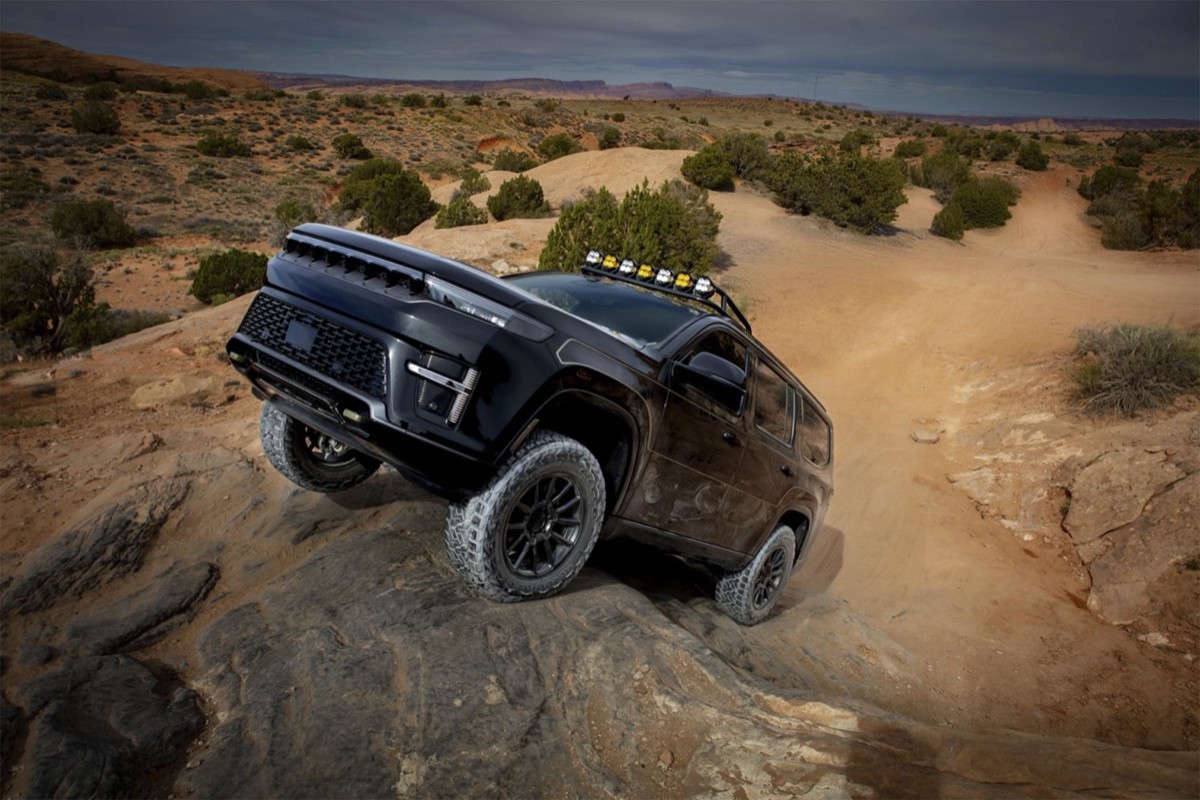
Jeep Grand Wagoneer Commander Concept
It’s no surprise seeing plenty of Wranglers wandering Moab’s rugged trails. But Jeep was determined to demonstrate the capabilities of its full-size flagship, the Grand Wagoneer, which underwent some major updates for the current model year. “We wanted to take a ground-up approach” with the Commander Concept, explained designer Chris Piscitelli.
Upgrades includes 20-inch wheels shod in 35-inch all-terrain tires, custom skid plates, SPOD lighting and a custom roof rack. Both the rack and side panels are covered with a topographic map picking up on Moab ‘s rocky terrain. Inside, the three-row SUV stays “true to its original design,” Jeep said, hinting that it is still working on some “future upgrades.”
Related: Jeep Wagoneer Vs. Grand Wagoneer: 5 Major Differences
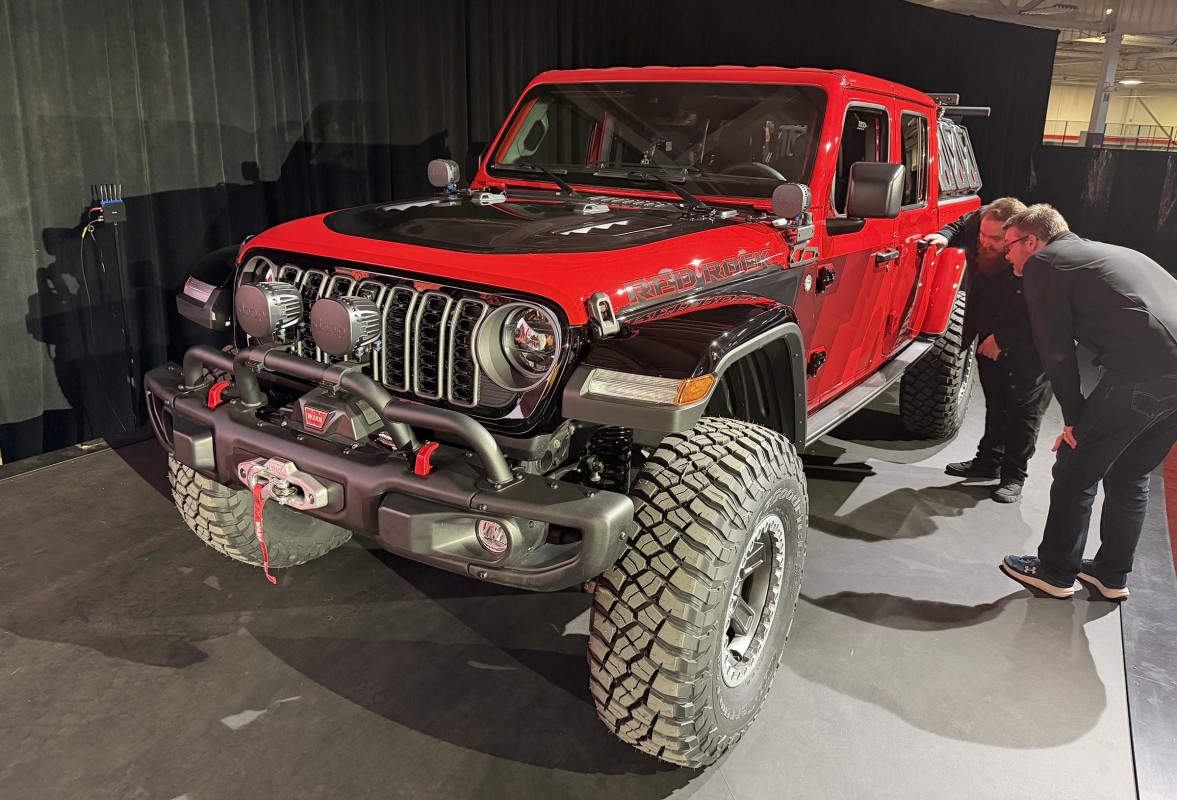
Jeep Gladiator Red Rock Concept
This concept pays homage to the Red Rock 4-Wheelers, a group of volunteers who help look after the Moab trails – no easy task considering the number of folks who visit each year. They’ve been helping to manage the Jeep Easter Safari since 1982. Jeep and its Mopar parts division worked with the club to come up with this custom Gladiator.
The pickup is equipped with the 3.6-liter Pentastar engine and gets a number of mods specifically designed for use in Moab. That includes 17-inch beadlock wheels paired with 37-inch Goodyear all-terrain tires, a steering stabilizer, a steel front bumper with an integrated Warn winch and 7-inch TYRI lights. Add a Rock Krawler 3-inch lift kit, wide rock rails and door sill guards and a Bedslide rolling truck bed cargo bay. The Armorlite flooring allows easy wash-out and an ARB onboard air system helps support rescue and recovery work.
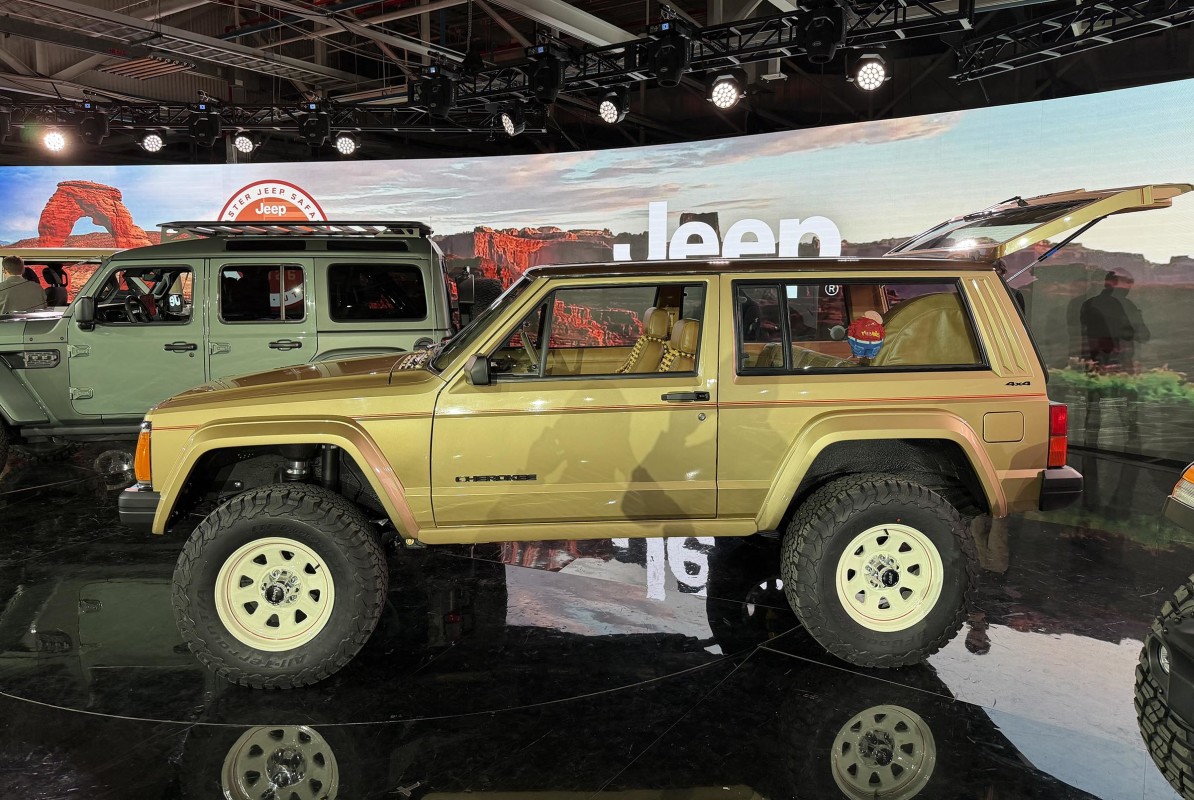
Jeep XJ Pioneer Concept
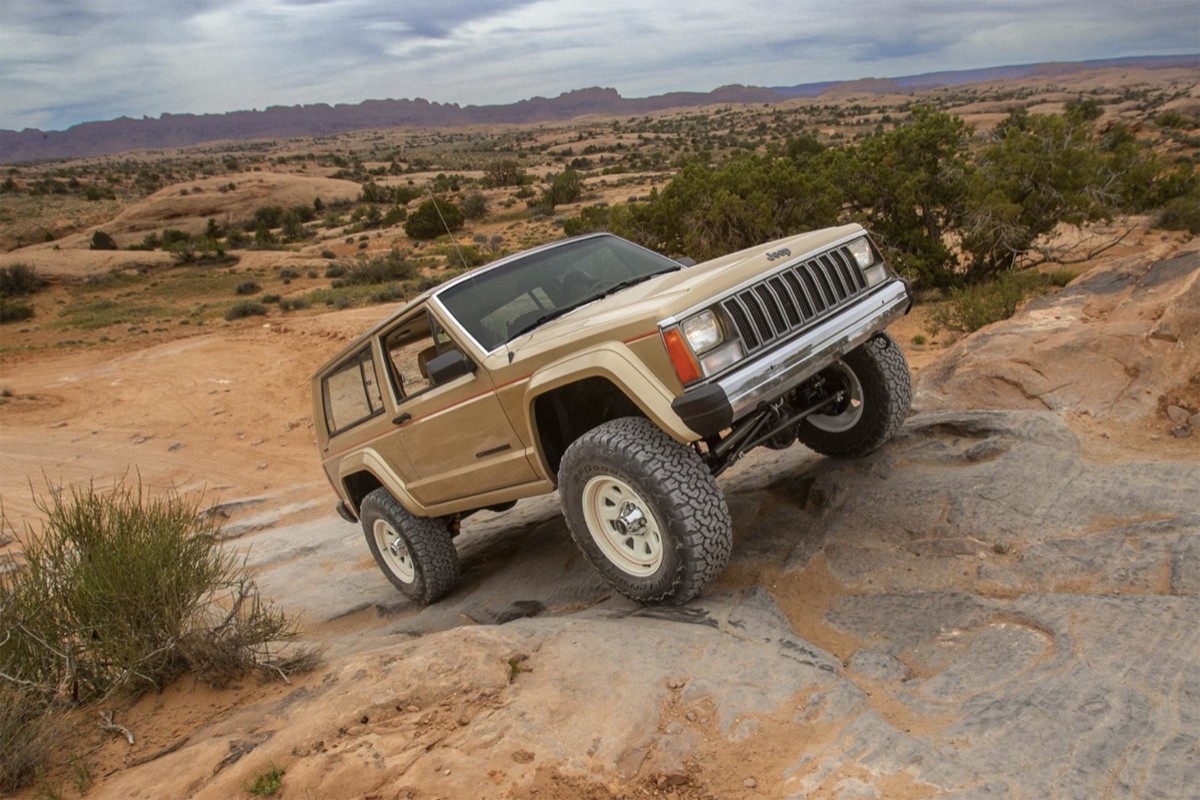
The wild card among the Easter Safari Concepts doesn’t just pick up on design cues from the original Cherokee XJ. It is an original XJ, the Jeep team lucking out with a 1986 model that had barely suffered any wear-and-tear over the past 40 years. Originally conceived as an “Experimental Jeep,” or XJ, it became one of the brand’s most successful models ever. And the idea was to see just how far the team could go without losing the purity of the original series.
At first glance it might seem like little was done. A closer inspection reveals the way the Pioneer Concept was raised 2 inches, with all-new flares around the wheel wells – which showcase 33-inch all-terrain rubber mounted on 17-inch wheels. The XJ got new rockers and quick-disconnect anti-sway bars. The interior stays especially true to the era, down to the original cassette tape player and beaded seat covers. To add a little fun, the team threw in some nostalgic Easter eggs, including a 1980s era lunch box and even an early Apple Macintosh computer.