
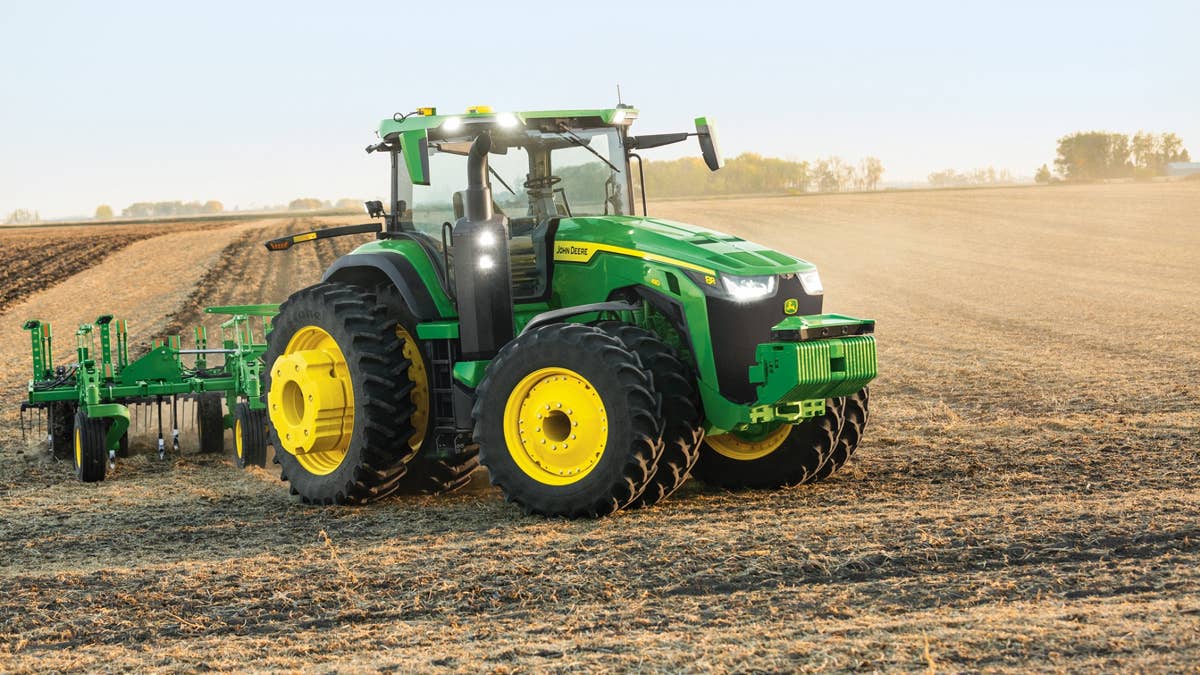
For years, American farmers couldn’t fix their own tractors without going through a John Deere authorized dealer. The company had allegedly withheld diagnostic software, specialized tools, and repair manuals. Plaintiffs argued this “software lock” allowed Deere and its dealers to charge inflated prices. Now, after a four-year legal fight, Deere has agreed to pay $99 million to settle a class action lawsuit accusing it of monopolizing repair services. The fund covers farmers who paid authorized dealers for large equipment repairs going back to January 2018.
This Isn’t Just a Farming Problem
The same dynamic is playing out in driveways across America. A viral complaint from a Hyundai Ioniq 5 N owner reignited the debate last year, with the driver alleging the company had blocked owners from performing basic brake work through software locks, proprietary tools, and corporate policies. Brake jobs, once the most basic of DIY tasks, are now gated behind dealer-only systems on some modern vehicles. As cars evolve into rolling computers, manufacturers have quietly accumulated enormous control over what happens after the point of sale.
Hyundai
Right to Repair Is Now a Courtroom Battleground
For John Deere specifically, the FTC has a separate active lawsuit seeking to force the company to give farmers and independent repair shops access to its fully functional Service Advisor repair tool — the same kind of access dealers have always had.
The legal pressure is building across industries. The automotive, agricultural, and home appliance sectors are all watching closely, knowing that any court ruling formally condemning these practices could set a precedent with sweeping implications. Meanwhile, lawmakers in 16 states have introduced right-to-repair bills this year, with advocates suggesting some may impose even stricter requirements than the current settlement. For consumers, the bigger fight of who really owns a product after it’s paid for is only just getting started.