A federal judge in Los Angeles has showed that Tesla and CEO Elon Musk are unlikely to get an early dismissal of a copyright lawsuit tied to the film Blade Runner 2049, keeping the case alive as it moves forward in court.
The dispute centers on allegations that Tesla’s marketing for its robotaxi ambitions leaned too heavily on the movie’s distinctive visual language, with the studio behind the film claiming its intellectual property was copied without permission.
Related: Production-Ready Tesla Cybercab Hits Showroom Floor In San Jose
What The Lawsuit Alleges
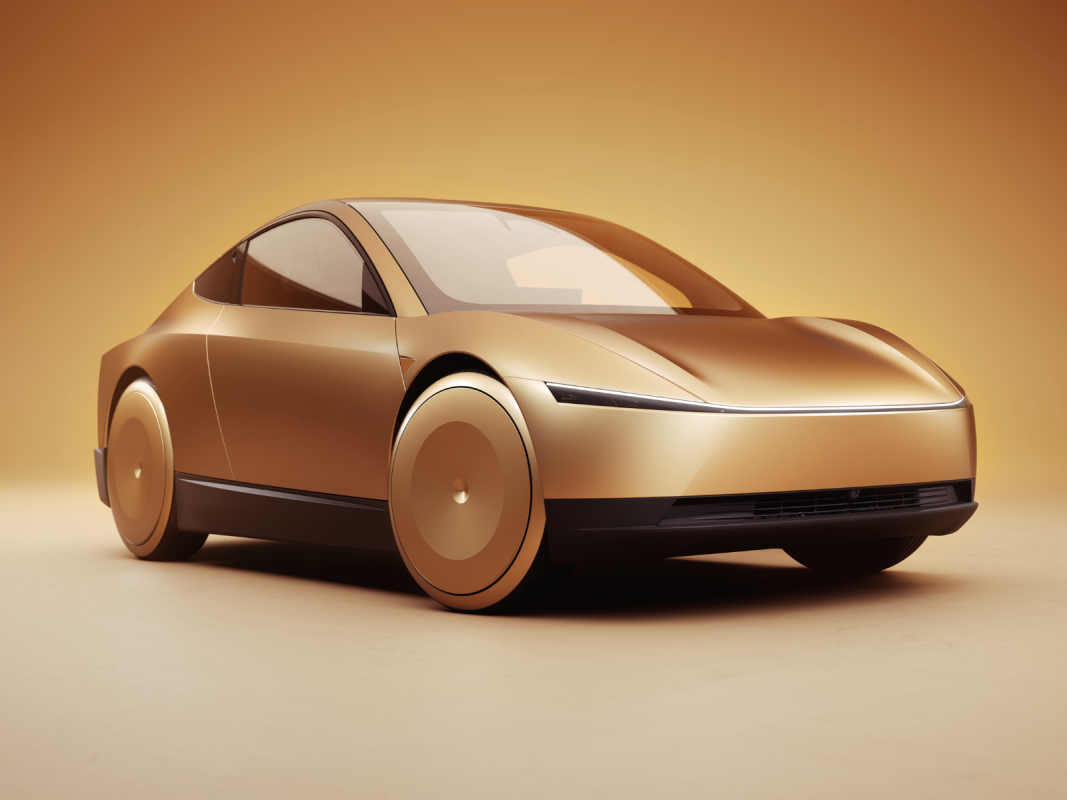
The plaintiff, Alcon Entertainment, alleges that Tesla and Musk used imagery that echoed Blade Runner 2049 during a 2024 event used to promote Tesla’s Cybercab concept, and that the material was generated in a way that still replicated the film’s protectable look and feel.
The core of the claim is not that Tesla showed film clips, but that the presentation allegedly recreated recognizable visual elements associated with the movie’s scenes and style, after a licensing request was declined. The defendants have argued the case should be dismissed, including on fair use grounds, but the judge’s tentative view is that the complaint plausibly states a claim at this stage and that fair use is typically too fact dependent to resolve before evidence is developed.
Related: Production Tesla Cybercab Hits Public Roads Again, But It Still Has A Driver
What The Judge Said And What Happens Next
According to the ruling described in coverage, the judge said Alcon’s theory of infringement is valid and plausible enough to proceed, which means Tesla and Musk may have to defend their creative choices through litigation rather than ending the case quickly.
A tentative ruling is not a final judgment on liability, but it is an important procedural step because it suggests the court sees enough substance in the allegations to justify discovery and further motion practice.
Why It Matters For Tesla Right Now
This lawsuit lands during a period when Tesla is juggling product strategy questions and reputational pressure on multiple fronts, from design and regulation issues, to the ongoing debate about where the legacy lineup.
Legal outcomes do not directly change vehicle engineering, but they can shape how aggressively a company markets future products, especially when those campaigns borrow from well known cultural reference points. At the same time, Tesla continues to face and sometimes defeat other legal claims tied to vehicle use.