It has been a monumental week in Big Tech as the world’s largest social media companies find themselves on the losing end of two landmark lawsuits.
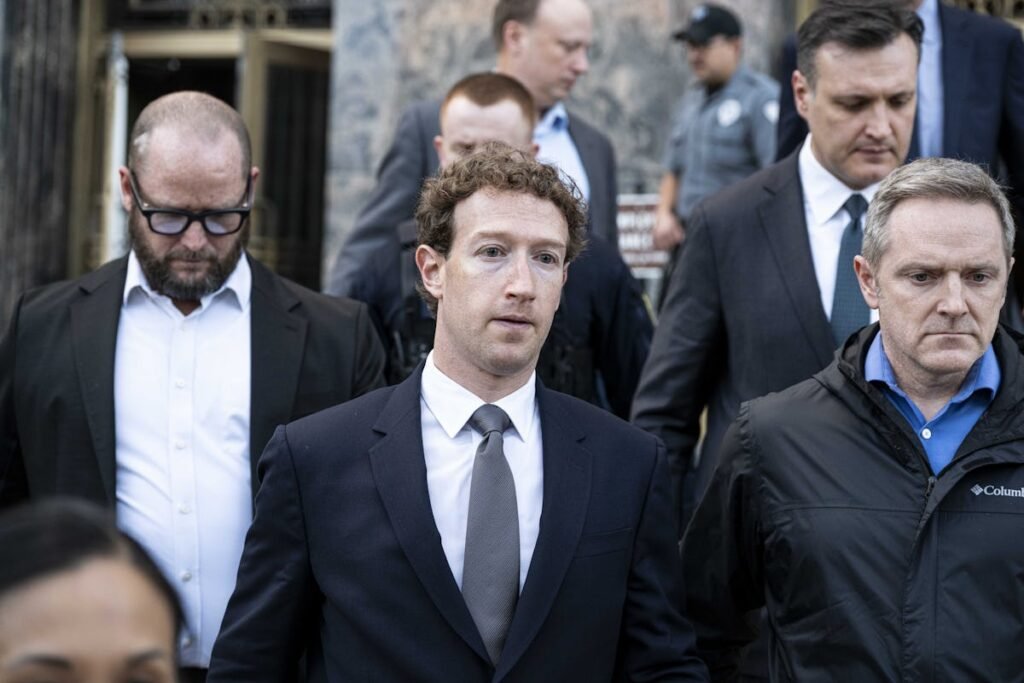
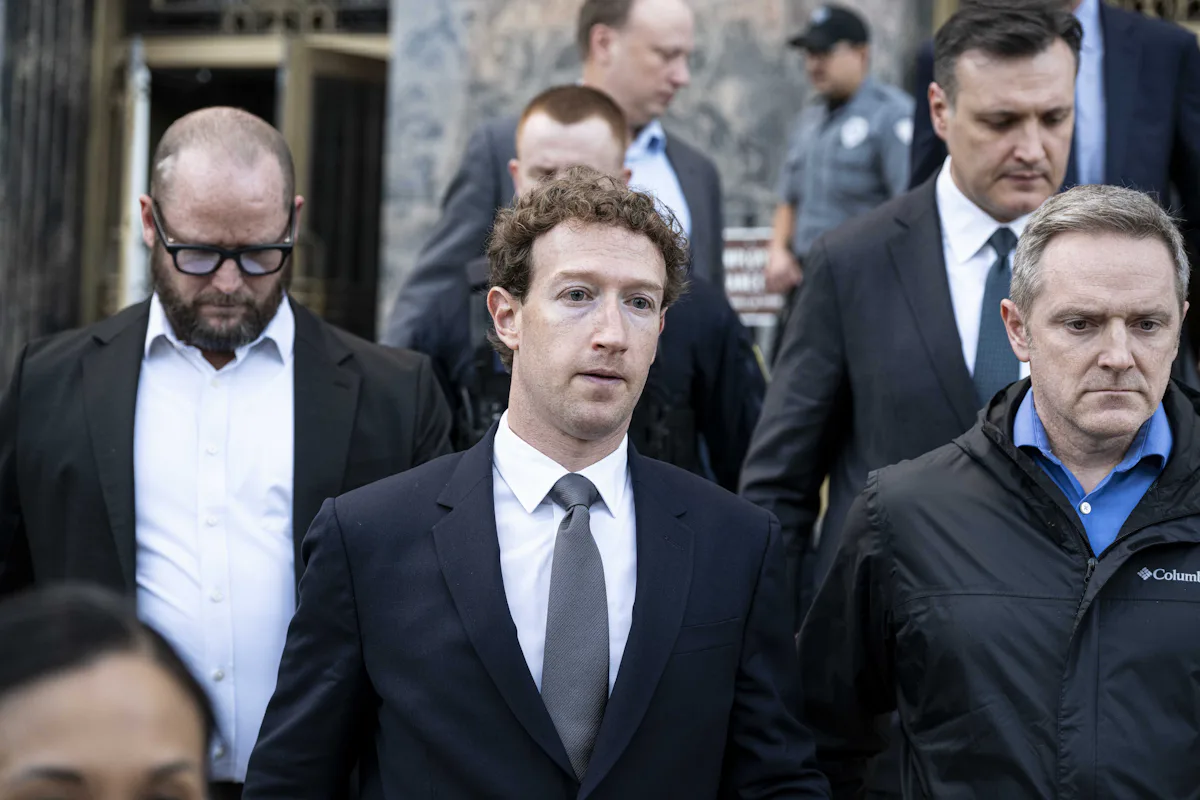
On Tuesday, a New Mexico jury found that Meta, which owns Facebook, Instagram, and WhatsApp, violated the state’s Unfair Practices Act by hiding what it knew about how their platforms negatively impacted children’s mental health, as well as the child exploitation their apps enabled. On Wednesday, Meta took another hit in court when a Los Angeles jury found them liable for designing purposefully addictive apps, worsening young users’ mental health. YouTube was also held accountable in the suit.
The lawsuit filed by New Mexico Attorney General Raúl Torrez alleged Meta operated with “unconscionable” trade practices, failing to protect young users from sexual predators. The suit was based on an undercover operation in which officials created a fake social media profile posing as a 13-year-old girl, who was then “inundated with images and targeted solicitations,” Torrez told CNBC. The suit also asserted Meta was aware of, but did not fully disclose, the dangers of social media addiction. A jury agreed, sticking Meta with a $375 million civil damages bill. Meta has been vocal in their disagreement with the decision and says they will appeal.
The Los Angeles case wasn’t civil — it was a personal injury lawsuit. A now 20-year-old woman, identified only as K.G.M., accused Meta and Google (which owns YouTube) of creating platforms “as addictive as cigarettes or digital casinos,” The New York Times reports. The addictive design centers on features like infinite scroll and algorithmic recommendations, the suit claimed. The result of that addiction was severe anxiety, depression, and body dysmorphia, the plaintiff said. TikTok and Snap, which owns Snapchat, were also named in the suit but settled out of court.
Again, the jury sided with the plaintiff. Meta must pay $4.2 million in damages; YouTube must pay $1.8 million. Spokespeople for both companies said they plan to appeal this ruling too.
While neither of these rulings have an impact on children’s social media use in the U.S., experts are calling both of these verdicts bellwether decisions — indicative of more accountability and change to come. The verdict in K.G.M.’s case sets a precedent that social media platforms can be held liable for personal injury.
This is how accountability began for Big Tobacco over the dangers of smoking. As the NYT reports, in 1998 the nation’s four largest cigarette companies were accused of hiding information about the health hazards of smoking. They reached a $206 billion settlement with more than 40 states and agreed to stop marketing directly to minors. Sweeping federal regulations soon followed, and rates of smoking declined sharply.
Experts say the same tide-turning moment is brewing for Big Tech. Attorneys general in more than 40 states have filed suit against Meta for contributing to a nationwide mental health crisis among children. Two hundred school districts from around the country are suing as well, saying that national mental health crisis caused by social media is affecting kids’ education and draining school resources. In L.A. alone, there are eight more personal injury cases brought by individual plaintiffs awaiting trial, the NYT reports. There are thousands of active lawsuits brought by families against Meta, Snap, Tik Tok, and ChatGPT, according to the Social Media Victims Law Center. The suits address everything from addictive app design to fostering drug dealers’ and predators’ access to children, resulting in real harm and even wrongful deaths.
While these two verdicts don’t change anything about the average American kid’s access to social media — nor do they force changes to these companies’ platforms — as more cases get their day in court, that could very well change.