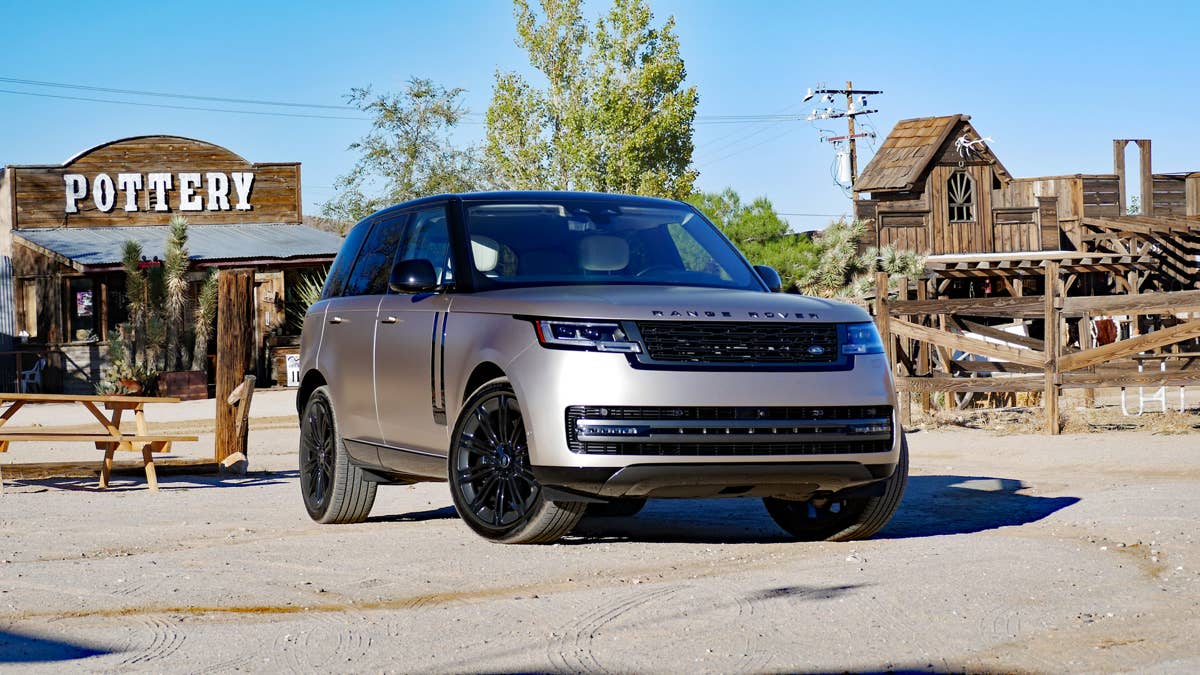
Luxury Expectations, Unexpected Problems
Land Rover built the Range Rover’s reputation on status and refinement. These SUVs usually end up in garages where expectations run high – not just for comfort and capability, but for longevity that justifies the price.
At this price point, you’d expect major parts – especially brakes – to last. For some Range Rover and Range Rover Sport owners, though, that’s not what happened.
A class action lawsuit filed in the US District Court for the District of New Jersey claims otherwise. The case, Zats et al. v. Jaguar Land Rover North America, LLC, centers on three plaintiffs from New York, California, and Illinois who allege their vehicles suffered from premature brake wear.
James Riswick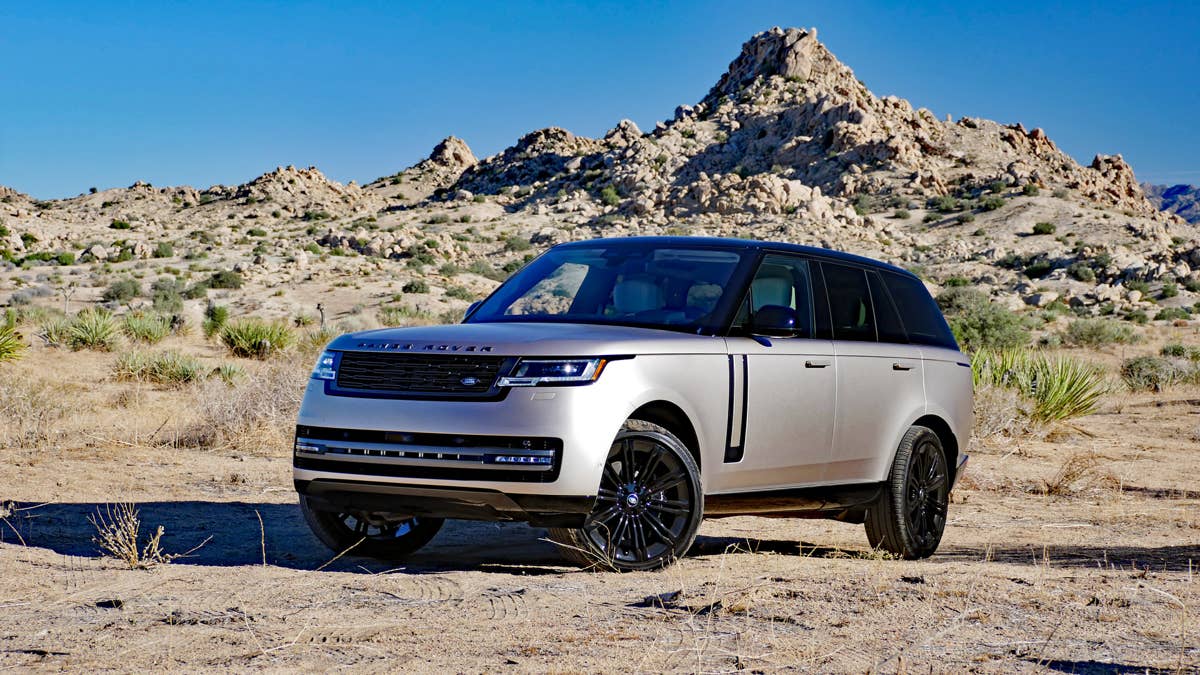
The Case Against the Brakes
The plaintiffs – Boris Zats, Amir Gupta, and Frank Ruffolo – each report paying thousands of dollars out of pocket to replace brake pads and rotors far earlier than expected.
- Zats replaced his brakes at just under 15,000 miles
- Gupta did the same slightly past 16,000 miles
- Ruffolo had two vehicles serviced, both before 14,000 miles
Each repair ran from about $2,000 to over $2,500. The lawsuit says this isn’t just bad luck – it’s a sign of a bigger problem with the brakes.
The complaint claims the brakes run hot – so hot that pads, rotors, and other parts wear out fast. Owners say they’ve heard squealing, grinding, vibrations, and even knocking when they hit the brakes. Sometimes, it gets bad enough that repairs aren’t just recommended – they’re unavoidable.
The owners say dealers wouldn’t cover the repairs under warranty. Normally, brakes are considered wear-and-tear items, but the lawsuit argues these failures are happening too soon to be chalked up to normal use.
The complaint also cites several technical service bulletins issued to dealers regarding early brake wear, suggesting that Land Rover knew owners were having repeat problems.
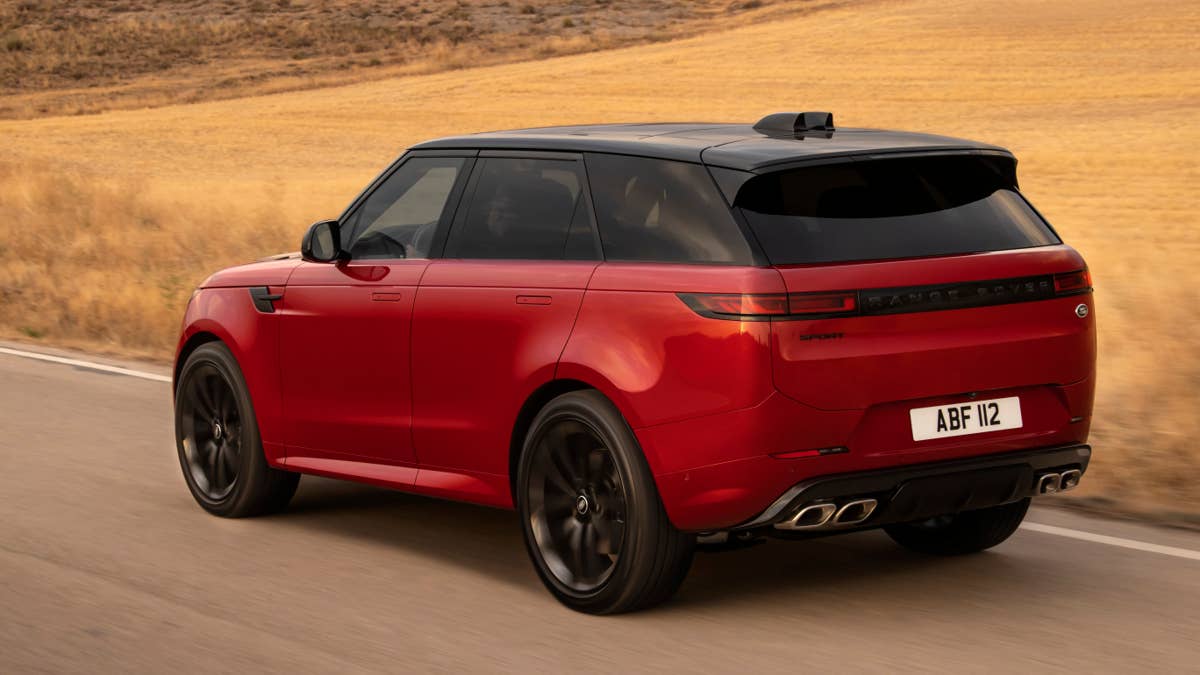
What Happens Next
Jaguar Land Rover attempted to move the dispute out of court by invoking arbitration clauses found in warranty documents. The company argued that the plaintiffs had agreed to resolve disputes through arbitration rather than litigation.
However, the plaintiffs countered that they were never properly informed of these terms, claiming the arbitration provisions were buried deep within the vehicle handbook and not disclosed at the point of sale.
For now, the court has denied Land Rover’s motion to compel arbitration. The ruling doesn’t settle the case but allows it to proceed, at least temporarily, in court. The judge has ordered limited discovery to determine whether a valid arbitration agreement exists. So now, both sides get to dig up more evidence before Land Rover tries to steer things back to arbitration.
For now, the case is just getting started. But it’s a reminder that in the luxury world, high expectations can clash with real-world headaches.
James Riswick