Going Global
Our world prides itself on being a global market; it used to be a struggle to ship goods across the world and sell them, but in recent years it has become easier to sell products in almost all parts of the world.
The only disruption to this global economy we now enjoy has been the latest conflict in the Middle East, where the closure of vital shipping lanes like the Strait of Hormuz and regional instability have caused some problems getting cars from one place to another.
Getty Images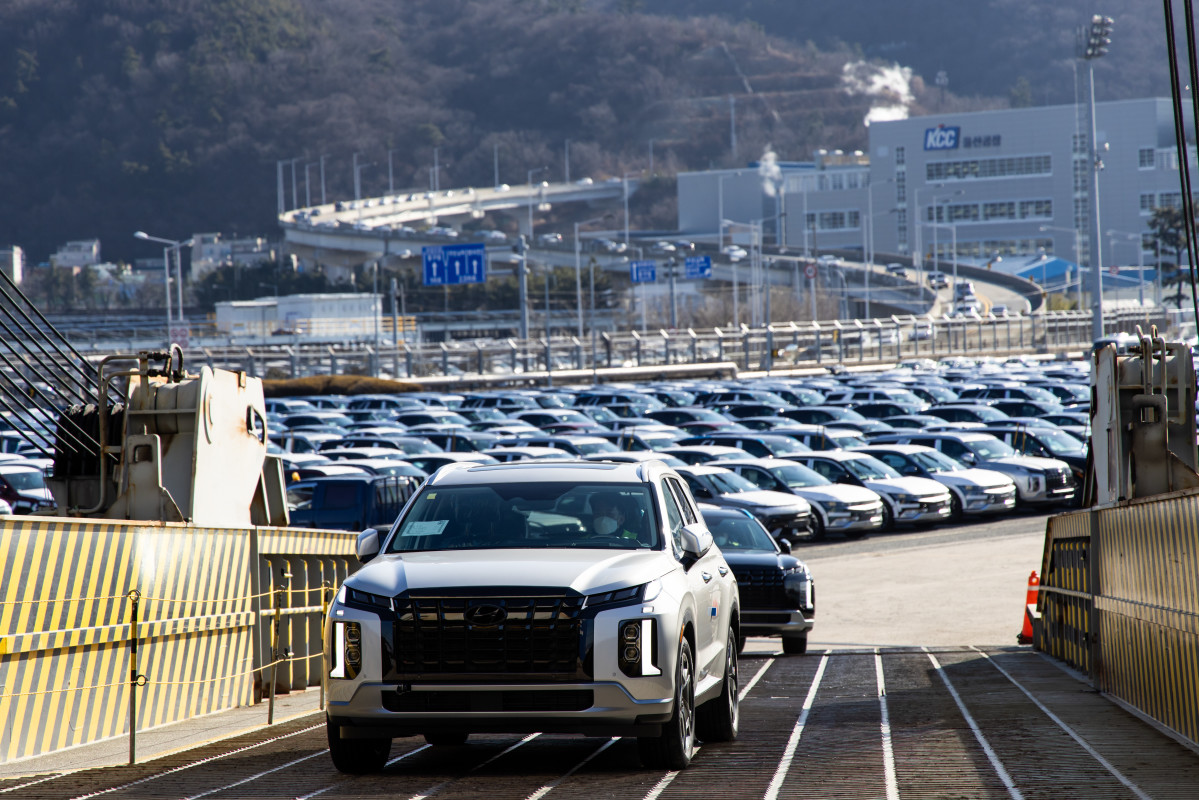
Stuck At Sea
Any good business that thrives on moving and selling goods across continents will tell you that it is vital to deliver the goods to make a profit. A Reuters report says the conflict has affected car shipments, particularly high-performance and luxury models.
Umar Hyder Ali is a Sri Lankan businessman who now lives in Japan. His business is in the used car segment. Ali’s core business has been sending cars from Japan to Southeast Asia, the Middle East, and Africa under the name Kobe Motor. We all know that Japanese-sourced cars are in high demand because of the strict regulations that require they be inspected and maintained properly; buyers the world over look for them as well-kept used cars.
A few days after the war broke out, Ali received news that one of his shipments, with around 500 cars, was stuck at sea. The ship carrying his cargo was unable to enter the Sri Lankan port because it was loaded with cargo diverted from Dubai. It took 10 days for his cars to finally be offloaded from the vessel. His story highlights the struggles these types of businesses have been experiencing since the war began.
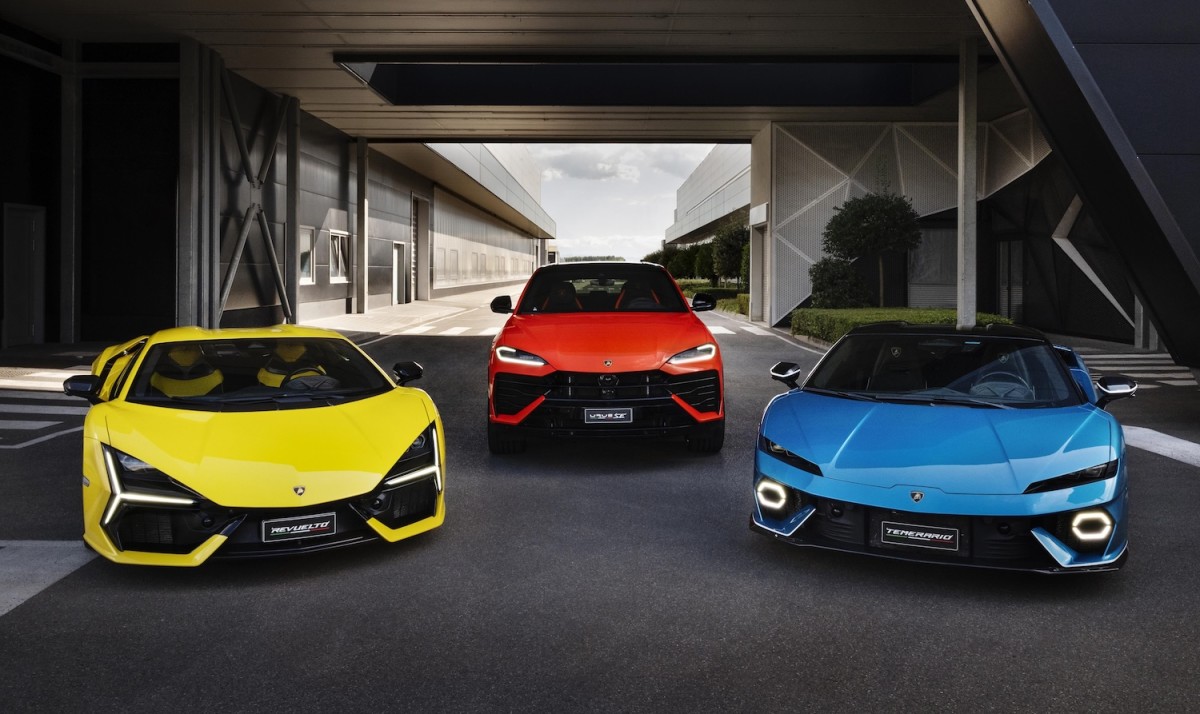
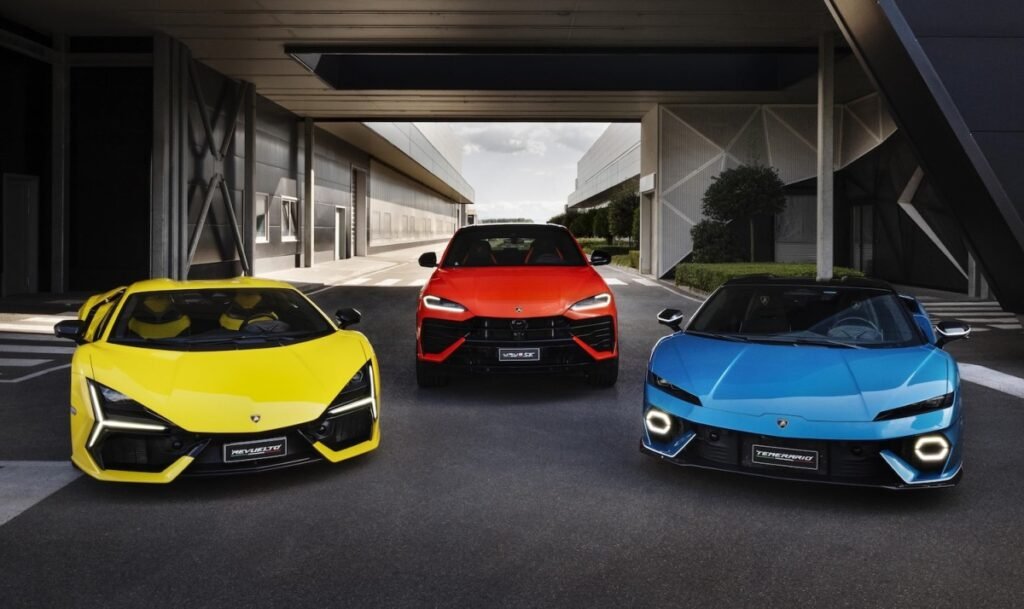
Ali averages around 18,000 car shipments a year, mostly to his home country, which has a high demand for compact cars from Honda and Toyota. In some cases, he also has high-end clients in Dubai with orders for Rolls-Royces, Ferraris, and Lamborghinis. 50 of these luxury cars are now stuck in Sri Lanka because they can’t find a way into Dubai.
SeongJoon Cho/Bloomberg via Getty Images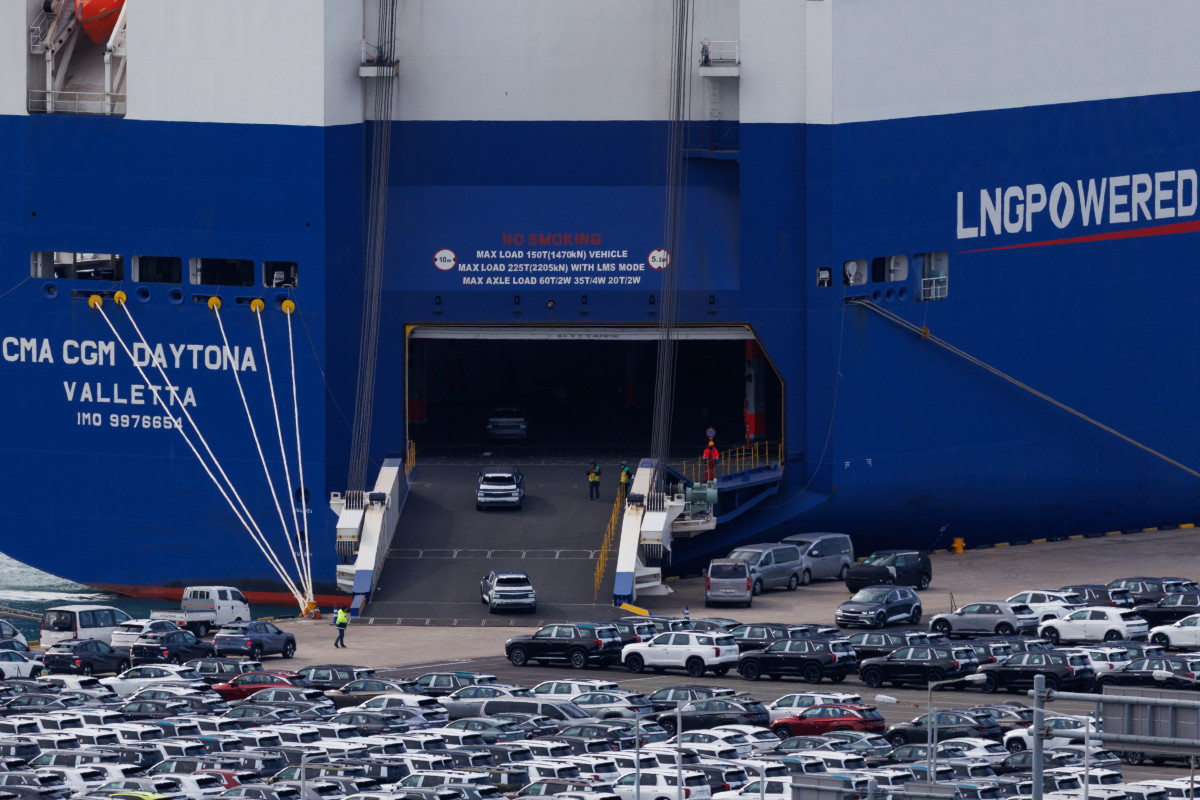
Sleeping Stocks
Ali’s case isn’t isolated; South Korean shipments have also been halted due to the conflict. Both Japan and South Korea export huge amounts of cars to the Middle East. A third of the total cars South Korea exported last year went to that region, while the UAE is the biggest market for Japanese used cars.
As a result of the conflict, exporters like Ali are spending a lot of money storing cars they can’t ship, and, as we all know, idle stock isn’t good for any business. Apart from storage, depreciation may also be a factor soon if the conflict continues, which could lead to major losses for exporters worldwide.
Lamborghini