Mazda’s Most Important Product
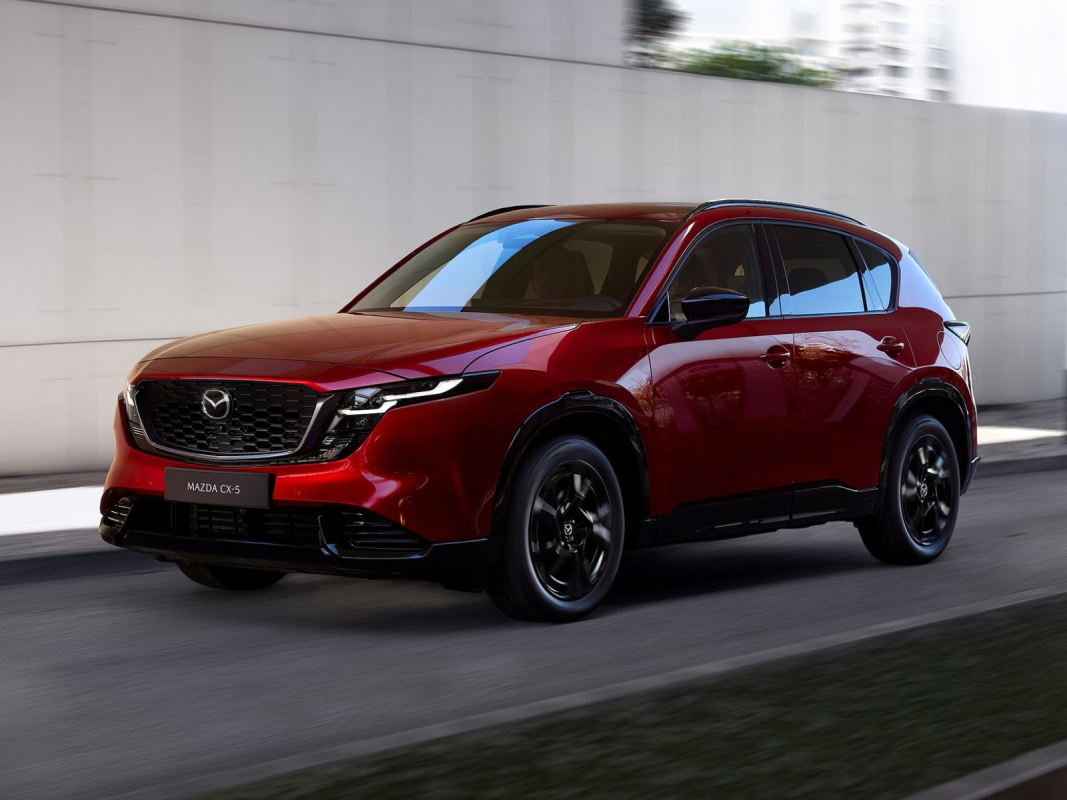
Needless to say, the Mazda CX-5 is the Japanese marque’s most important model right now. It’s been its global bestseller for years, even hitting a production milestone that only two other Mazdas have ever reached. With numbers like that, the CX-5 has a direct impact on the company’s bottom line.
Mazda is counting on that popularity to carry the CX-5 through a tougher market. Since the CX-5 comes from Japan instead of a US factory, it faces higher costs than its American-built rivals. Mazda’s answer? Cut costs in places buyers won’t notice or care about, according to CFO Jeffrey Guyton.
Where Mazda Trimmed the Fat
Mazda didn’t specify each and every cost-cutting measure employed on the new-generation CX-5, though Guyton specifically pointed out the steering wheel. The old CX-5 used leather stitched so precisely that the seams lined up perfectly straight. It looked great, but most people never noticed – and it cost extra. For the new model, Mazda switched to angled stitching like most rivals, using the same leather but skipping the extra steps.
Guyton told Automotive News that there are several other cost cuts hidden throughout the CX-5. Mazda also worked with Nippon Steel early on to trim costs and weight from the body structure, allowing the automaker to make the SUV bigger without driving up costs.
Not every area saw cost reductions. Mazda chose to spend more on features customers use every day, such as a larger center touchscreen and better integration of Google car connectivity. Improvements like enhanced voice recognition were seen as offering more value to buyers than changes hidden in manufacturing.
Mazda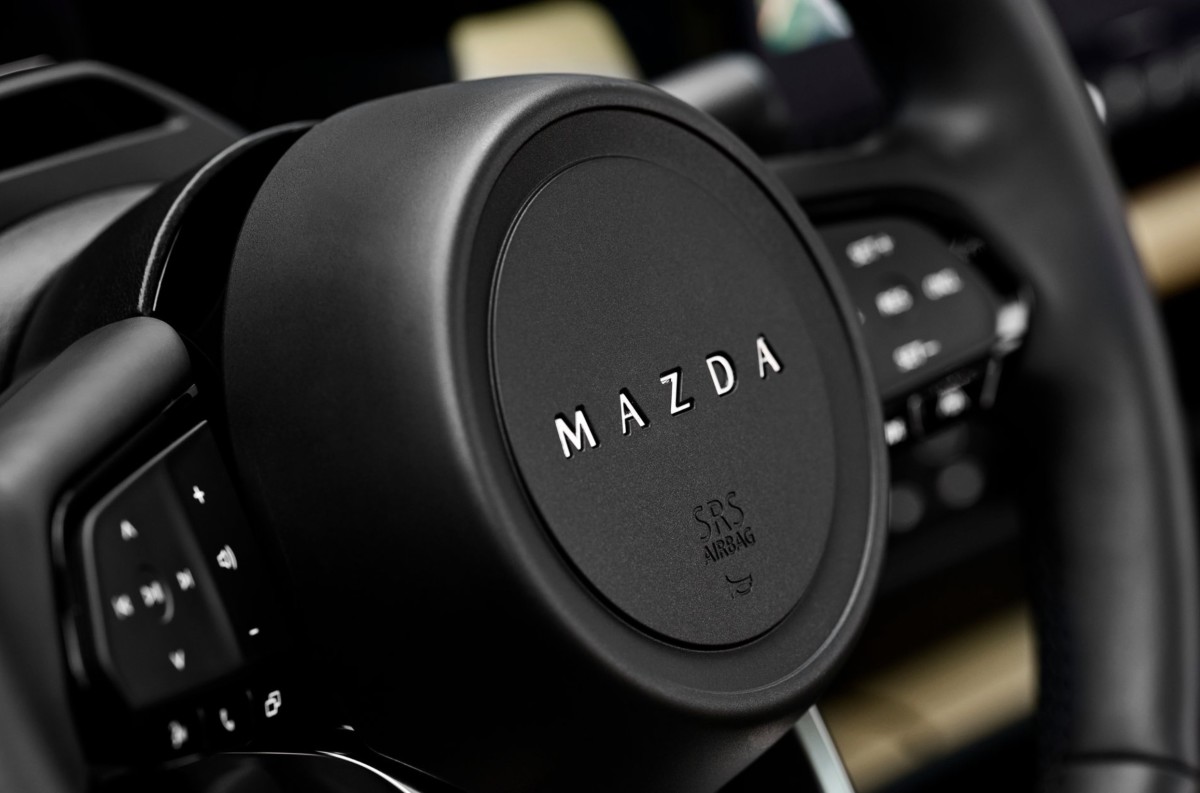
It’s All About Tariffs
The main reason for these cost cuts is tariffs and timing. A new 15 percent US tariff on Japanese imports adds a high cost to every CX-5 Mazda sends to America. Mazda estimates total tariff costs of about ¥162.5 billion (around $1 billion) this fiscal year, which is a major challenge for a brand already dealing with declining profits.
By trimming costs where it won’t sway buying decisions, Mazda gives itself more room to move. They can nudge prices up, pull back on incentives, or chase higher sales without putting margins at risk. That kind of flexibility matters as Mazda aims for a modest profit target by the end of March.
M