Mazda’s EV Moment Came and Went
Mazda tried to break into the U.S. EV market with the MX-30, but the model’s reception appeared underwhelming, especially after it was discontinued following the 2023 model year, with the European-spec version later meeting the same fate.
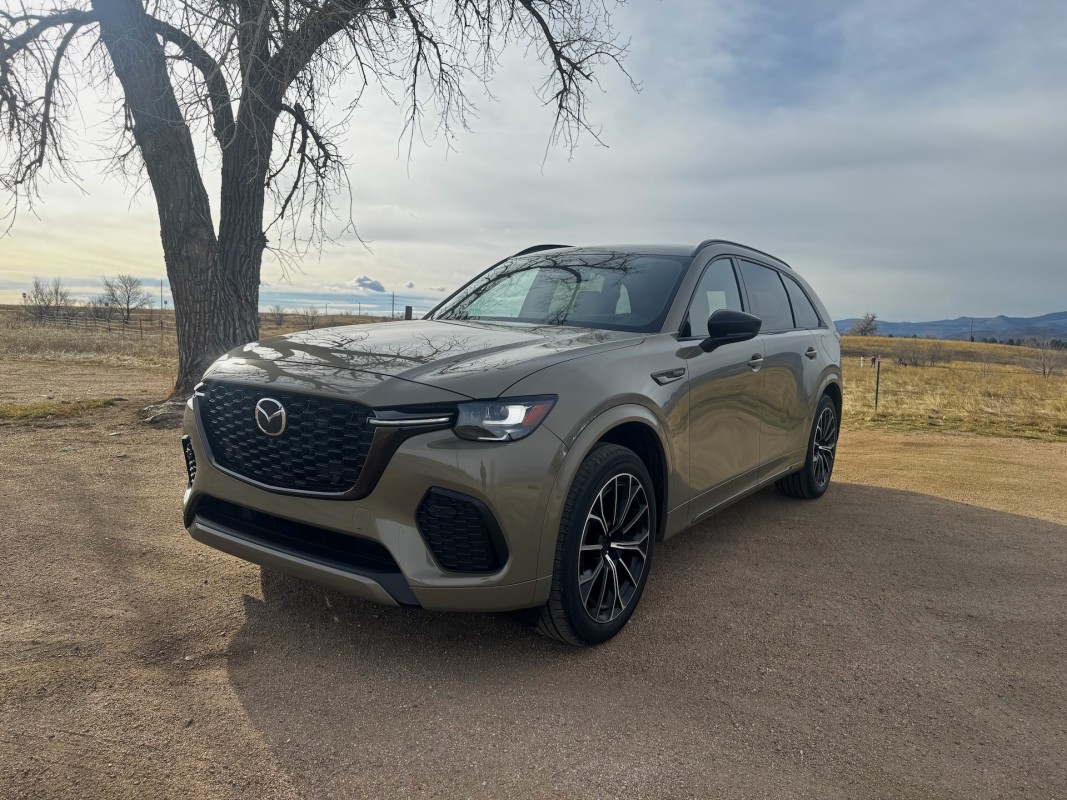
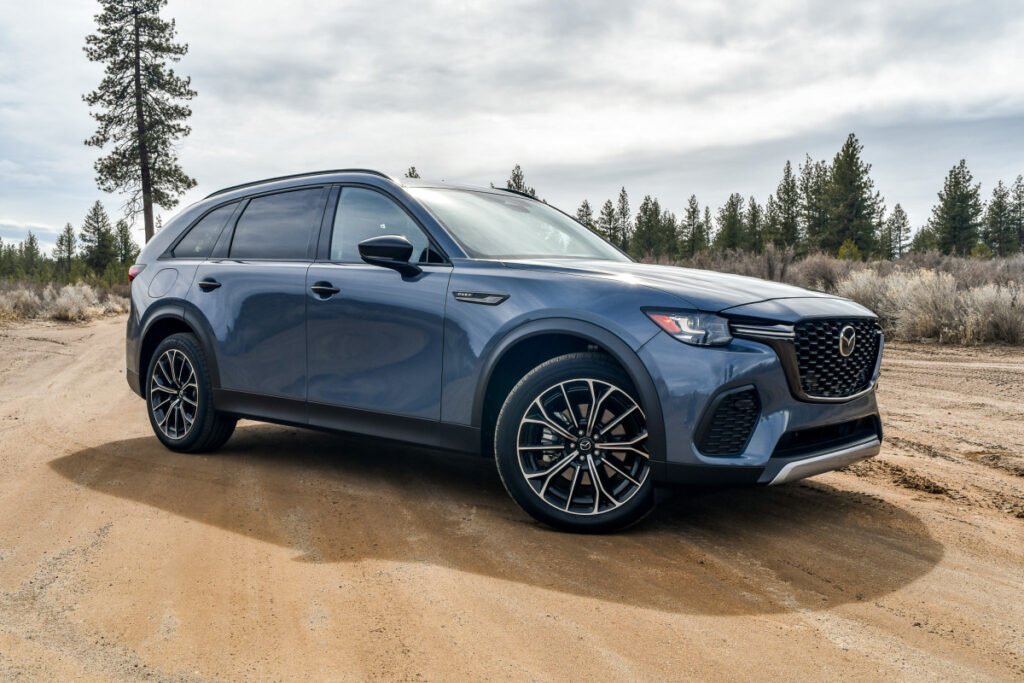
That outcome reinforced the brand’s shift toward plug-in hybrids such as the CX-70 and CX-90 amid tightening emissions regulations. With the broader U.S. market now favoring hybrids, Mazda’s EV potential never really had the chance to fully play out stateside.
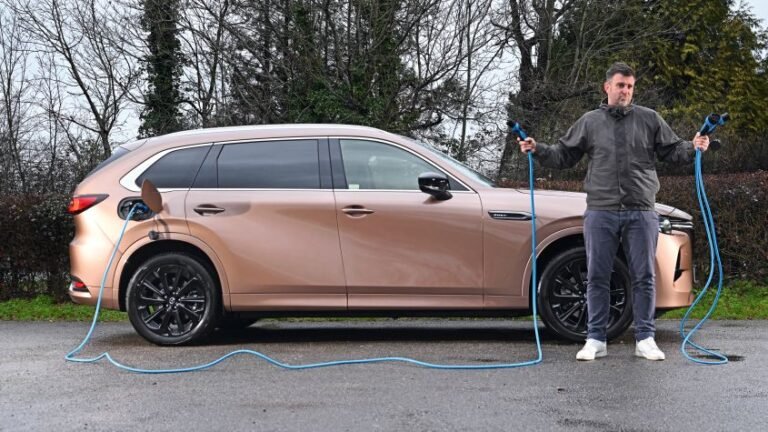
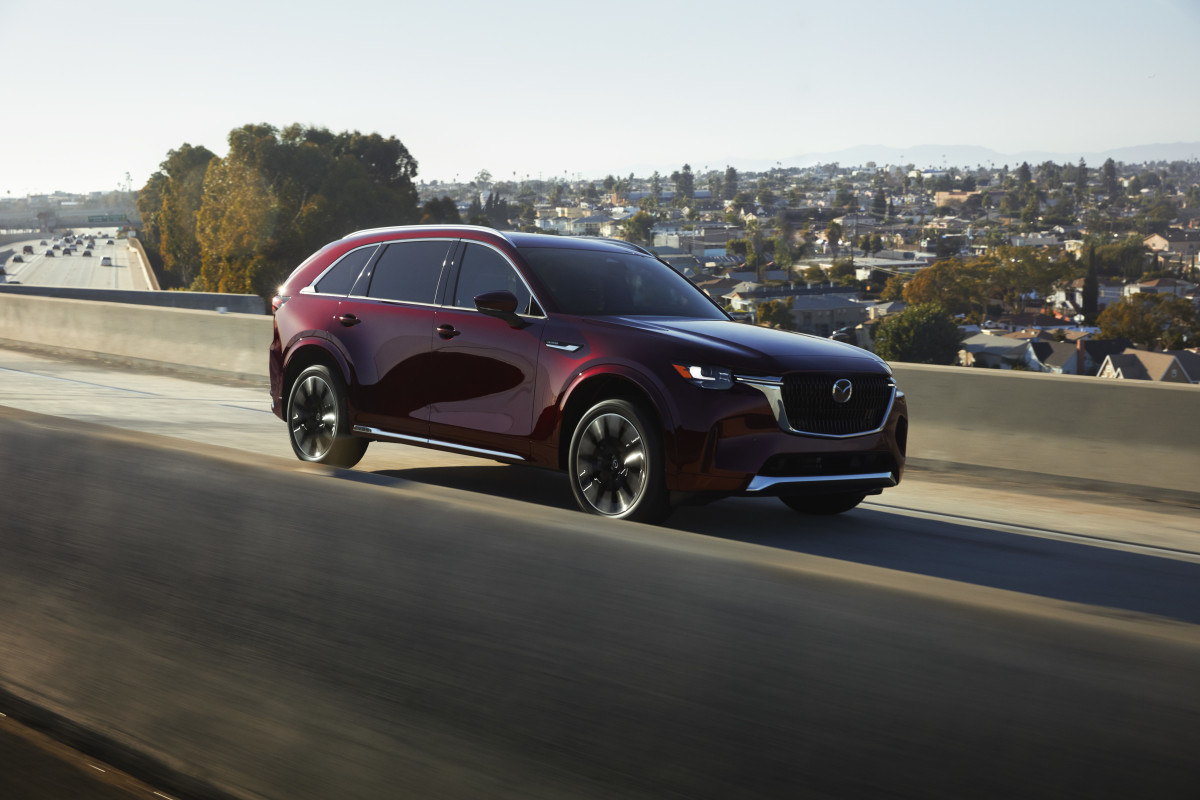
Elsewhere, however, Mazda is taking a different approach. According to a report from Car Expert, Mazda Australia managing director Vinesh Bhindi does not want to rush the brand’s PHEV rollout, even if that means leaving out models like the CX-70 and CX-90. Instead, Mazda plans to lean on its existing plug-in hybrid lineup, including the CX-60 and CX-80, while placing more emphasis on fully electric vehicles.
EVs Take Priority in Australia
Bhindi laid out this strategy while discussing possible ways for Mazda to comply with tightening regulations in the Land Down Under. The first path is to position Mazda’s two new EVs, the 6e and CX-6e, as its primary tools for meeting stricter emissions targets. He believes these EVs should allow “us to earn as many credits as possible.”
Another option is to purchase discounted carbon credits from other automakers. These credits are part of a flexible compliance system under Australia’s emissions rules, allowing companies that offer more low- or zero-emission vehicles, such as Tesla, to generate excess credits and sell them to brands that fall short of their targets. Without enough credits, automakers can face financial penalties based on the vehicles’ emissions levels.
As a last resort, Mazda could pass those added costs on to consumers through higher vehicle prices.
Kristen Brown
A Strategy Divided by Market
Despite Mazda’s broader push into EVs globally, its U.S. lineup will likely remain focused on hybrids, especially since the 6e and CX-6e – electric counterparts to the Mazda6 and CX-60 – are built in China through the company’s joint venture with Changan. With steep tariffs on Chinese-made vehicles, don’t expect either one in the U.S. anytime soon. That could leave American buyers missing out on some of Mazda’s latest electric offerings, including a possible 6e wagon that the company has not ruled out.
What’s coming instead is the third-generation CX-5, which will debut the brand’s next-gen hybrid system around the Skyactiv-Z engine. However, its arrival has been delayed to ensure it meets the brand’s Jinba-Ittai driving philosophy and performance standards.
Joe Santos