Mercedes-Benz Recall Report Flags Fire Risk in Nearly 12,000 EVs
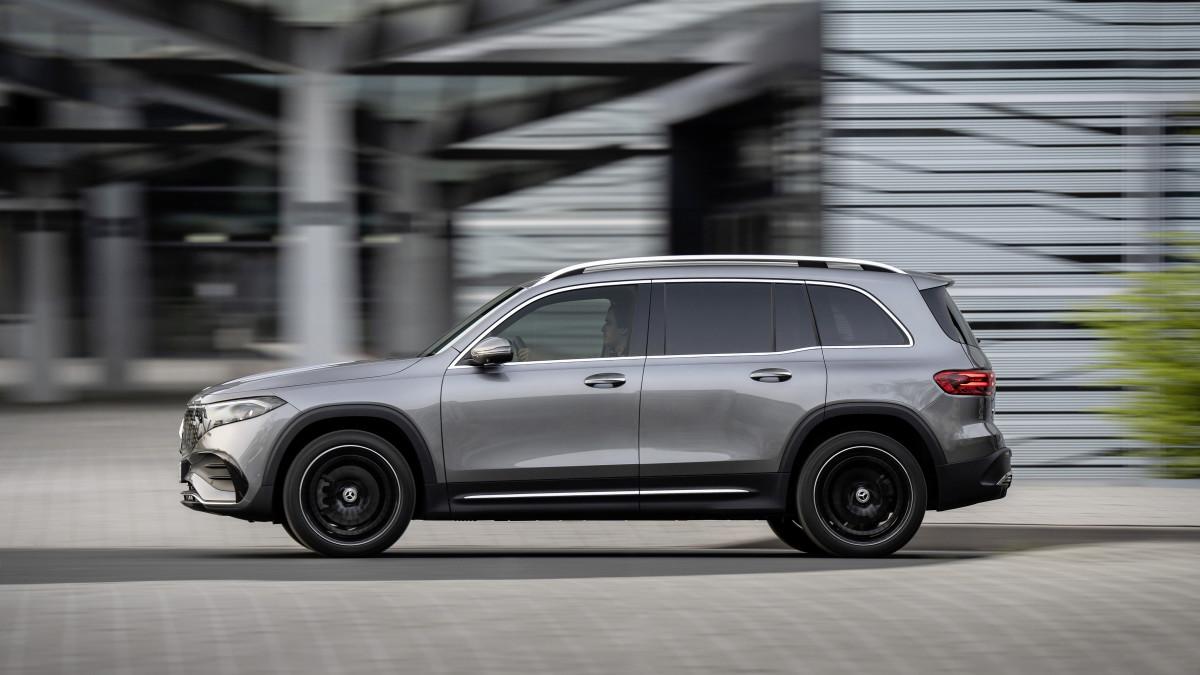
Mercedes-Benz has issued a safety recall affecting approximately 11,900 EQB electric SUVs in the United States after identifying a potential high-voltage battery fire risk. The recall covers select 2022–2024 EQB 250+, EQB 300 4MATIC, and EQB 350 4MATIC models equipped with battery cells supplied by Farasis Energy.
According to the NHTSA filing, certain battery cells may be insufficiently robust at a high state of charge, increasing the risk of an internal short circuit. In rare cases, this could lead to a thermal event and a vehicle fire, whether the vehicle is parked or in operation. Drivers may receive a battery warning while driving, but parked incidents may occur without prior notice.
Mercedes-Benz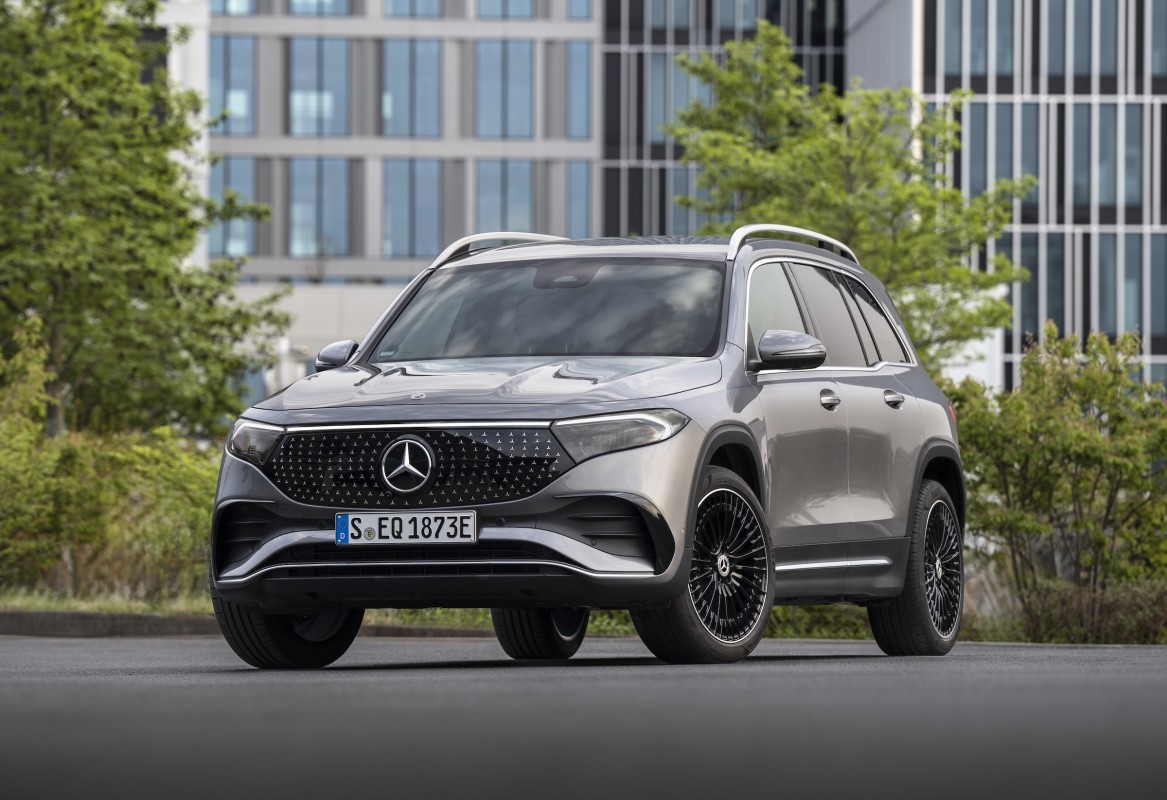
Industry Pattern: EV Battery Defects Under Scrutiny
Mercedes’ recall adds to a growing list of battery-related safety campaigns across the EV sector. Volvorecently recalled certain 2025 EX30 models due to potential battery overheating, while Hyundai faced significant scrutiny after fire risks linked to improperly secured battery components in some Ioniq 5 vehicles.
Notably, this is not Mercedes-Benz’s first battery advisory in recent months. Just last month, the automaker warned certain EQB owners to limit charging to 80 percent pending corrective action. Across brands, the common thread remains battery cell production variability and energy management vulnerabilities, persistent pressure points as EV adoption scales globally.
Remedy Plan and What Owners Should Expect
To resolve the issue, Mercedes-Benz will replace the affected high-voltage battery packs at no cost through its dealer network. Updated battery units are said to incorporate revised production safeguards intended to eliminate the root cause of the defect.
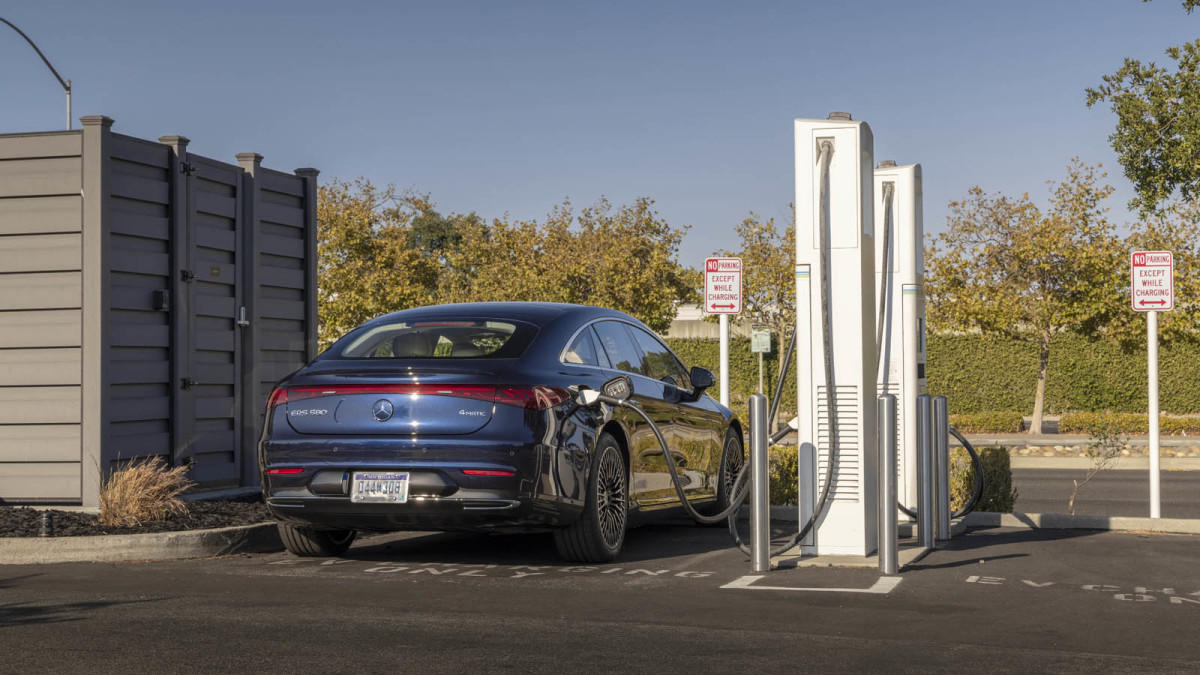
Until replacements are completed, owners are advised to limit charging to 80 percent and park vehicles outdoors as a precaution. Formal owner notifications will outline scheduling procedures. While the recall affects a limited portion of Mercedes’ EV portfolio, it underscores the critical importance of battery quality control for long-term electric vehicle safety and consumer confidence.
Mercedes-Benz