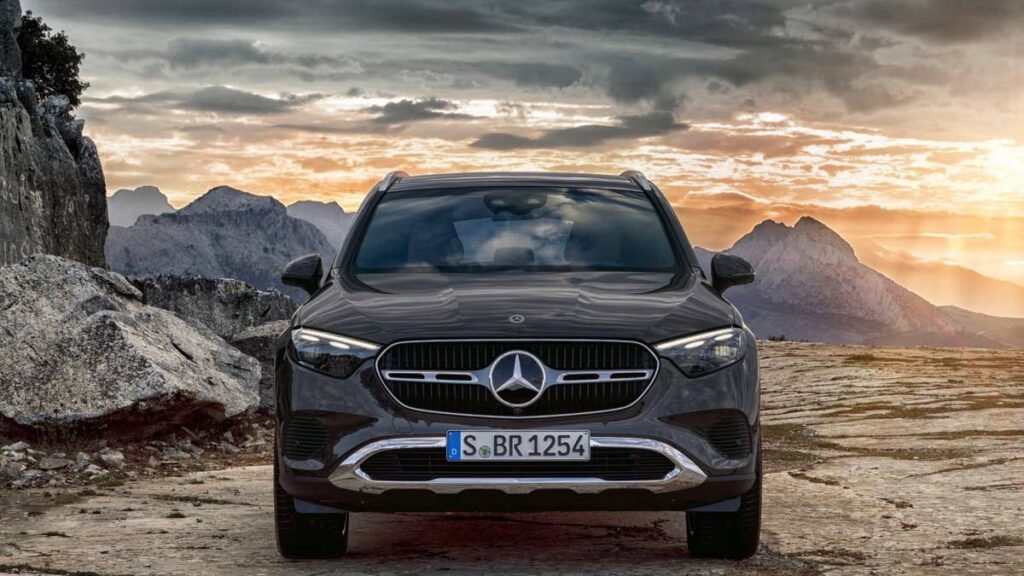
Mercedes-Benz USA has released its first-quarter sales results, with total sales of 78,500, a 3% decline relative to the same quarter in 2025. Of that total, 8,500 models were vans (-6%) and 70,000 were passenger cars (-3%). Unlike BMW, Mercedes doesn’t report sales data for specific models, making direct comparisons with its rivals difficult. But this also hints at low sales for models not mentioned by the brand. Here’s a look at Merc’s sales highlights for the first quarter and how the company compares to BMW.
BMW Still Ahead in the U.S.
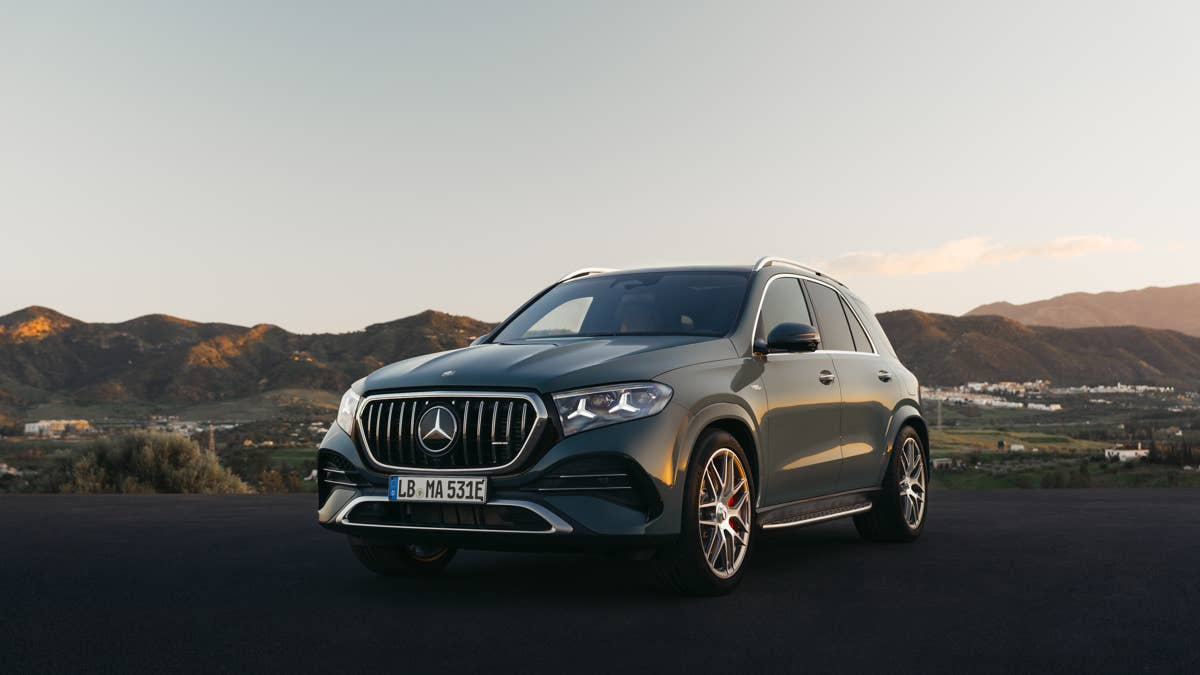
Mercedes-AMG
BMW has outsold Mercedes in the U.S. for a few years now, and the same trend is continuing in 2026. Excluding Mini, BMW sold 84,231 vehicles in the U.S. in the first quarter of 2026, putting it 14,231 units ahead of Mercedes, when Mercedes vans are excluded. Even with its van lineup, Mercedes is still behind its rival by around 5,700 models.
Here’s a look at some sales highlights for Mercedes in Q1:
- GLC, GLE, and GLS sales grew by 22% and made up 61% of all passenger-car sales
- G-Class, SL, and Mercedes-Maybach saw double-digit growth
- SL sales alone climbed by 47%
- Maybach sales climbed by 22%
- Globally, electric GLC generated more orders in first three months than any previous Mercedes EV
Mercedes said customer interest continues to build for the new CLA, but did not say how many examples of the new model were sold. It’s also telling that the press release did not mention a single sedan or EV directly, suggesting that sales of these models declined in Q1. Based on the fact that the GLC/GLE/GLS made up 61% of passenger car sales (42,700 units), this means all other Mercedes models combined for 27,300 sales. By comparison, BMW sold 36,058 passenger cars in Q1, including the X1 and X2 but excluding all other SUVs.
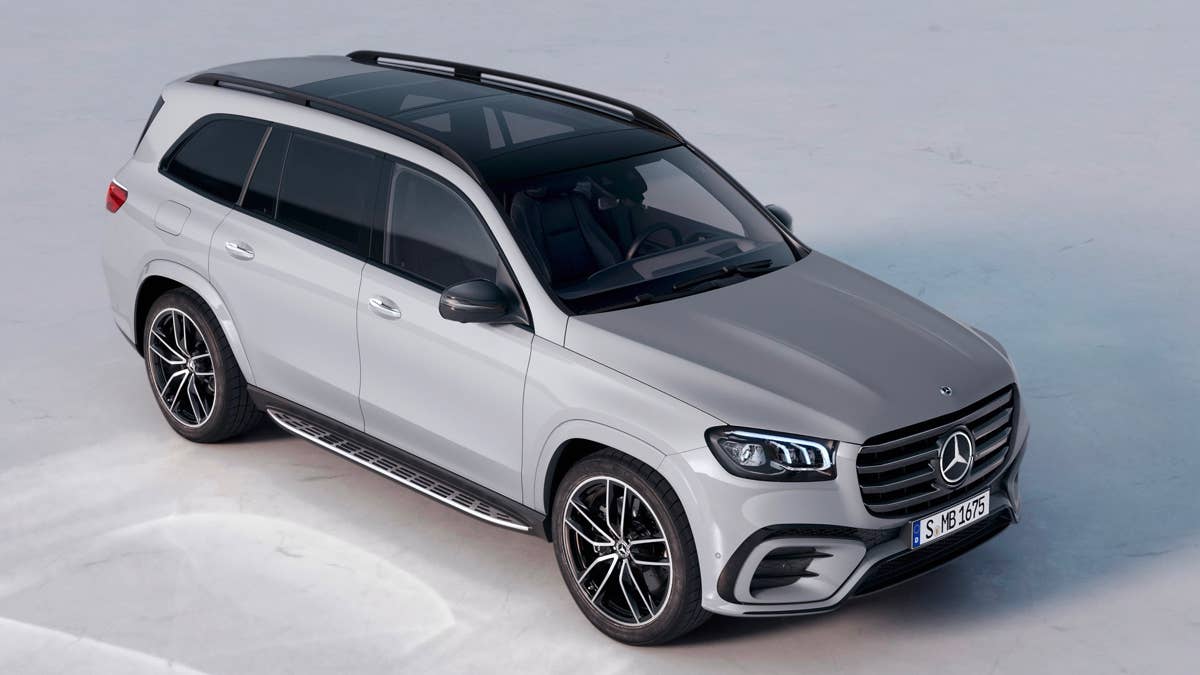
Mercedes-Benz
“Our first-quarter results reflect the resilience of our incredible dealer network and strong demand despite challenging market conditions across the U.S. auto industry,” said Adam Chamberlain, President and CEO of Mercedes-Benz USA. “Our core SUV lineup continues to resonate with customers, and top-end vehicle sales remain brisk with strong sustained interest in our awe-inspiring AMG models.”
Related: BMW M Just Beat Mercedes-AMG Again and Set Another Sales Record
Fresh Lineup Should Bolster Customer Interest
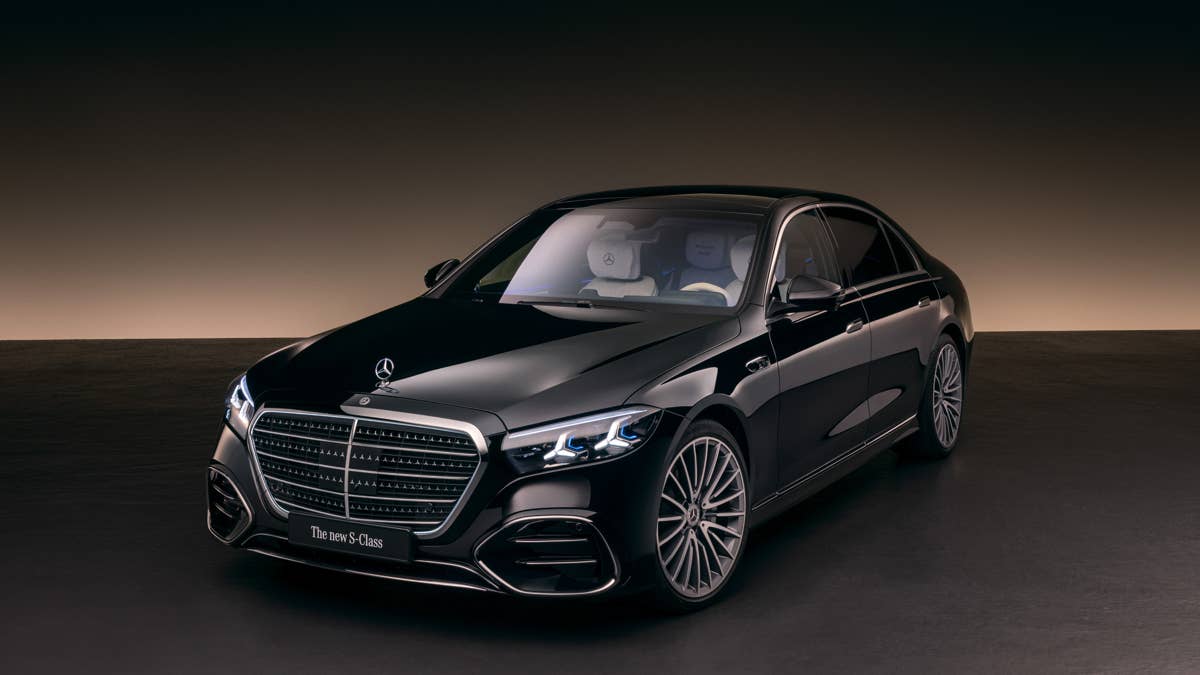
Mercedes-Benz
Mercedes-Benz has revealed a slew of heavily updated core models in recent weeks, and these have yet to impact the sales charts. The 2027 S-Class was revealed late in January with revised looks, a new interior, and a new V8 engine. It was followed by the midsize 2027 GLE-Class and full-size 2027 GLS-Class late in March, both of which received extensive changes.
Like the S-Class, these SUVs have a new MBUX Superscreen, updated front fascias, and enhanced engines. Given that these SUVs already sold strongly in Q1, they’re likely to increase in sales when the refreshed versions hit showrooms later this year.
What It Means
Mercedes-Benz
Merc’s increasingly mysterious sales figures make it challenging to paint a clear picture of what the company is doing right, but its core gas-powered SUVs remain major sales drivers. There are question marks over the performance of its sedans and EVs, which were not mentioned in the latest sales release. We do know that Merc is on a mission to realign its EV range to fit in better with its gas models, as the original EQ models were unloved with their sci-fi-like designs.
For now, Mercedes has not managed to close the gap between it and arch rival BMW. That could change if the brand’s new EVs and revised core models catch fire later in the year.
Related: Mercedes-Benz Targets Higher Volume After Years of Sliding Sales