Why Mercedes Believes Bigger Is Always Better
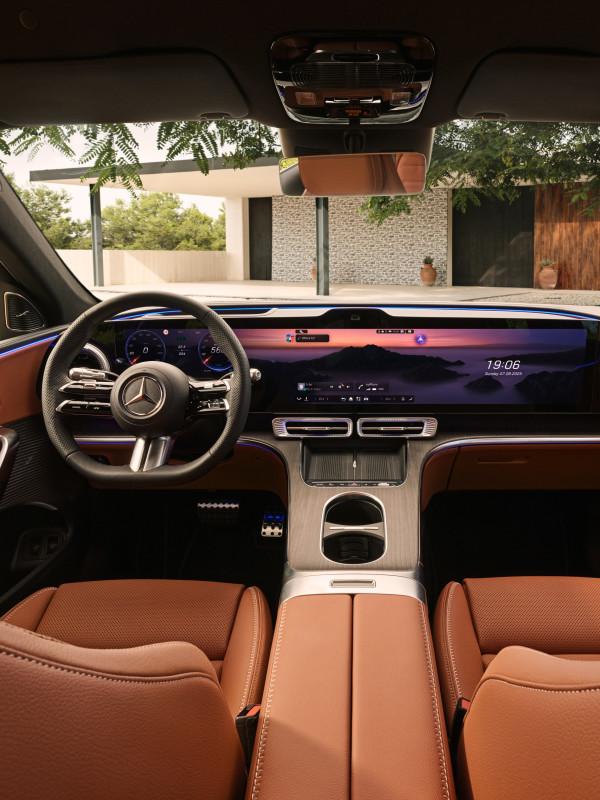
Gordon Wagener, Mercedes’ chief design officer since 2016, isn’t known for pulling punches when it comes to automotive design philosophy. The architect behind the brand’s controversial Hyperscreen technology, first introduced in the 2021 EQS sedan as a massive 56-inch curved display stretching across the dashboard, recently took aim at Audi’s more restrained approach to interior design.
Speaking about Audi’s Concept C interior to Top Gear, Wagener didn’t mince words, “That interior looks like it was designed in 1995. It is a little bit too known, and there is too little tech.” But his most revealing comment centered on screen psychology, ”When you have a small screen, you automatically send the message ‘Congratulations, you are sitting in a small car’.”
Mercedes-Benz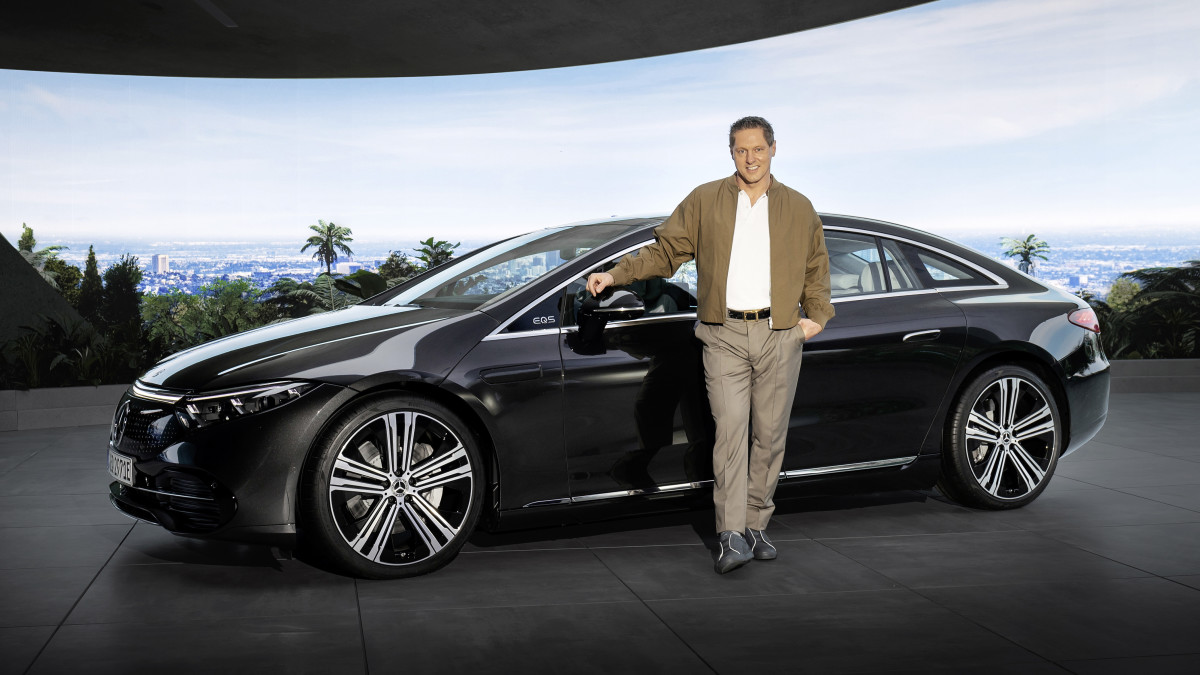
The Philosophy Behind Mercedes’ Digital Maximalism
This philosophy explains Mercedes’ current obsession with enormous displays. If Wagener believes small screens make cars feel small, then logically, massive screens should make vehicles feel more substantial and premium. It’s a theory that’s transformed Mercedes cabins into what many feel are too distracting, with touchscreens dominating nearly every dashboard surface from the EQS to the latest GLC.
On the other hand, the Audi Concept C, with its deliberately understated cabin, represents everything Wagener opposes. True to Audi’s traditionally minimalist design language, the concept features clean lines, subtle technology integration with a fold-out 10.4-inch touchscreen, and a focus on materials over digital real estate. It’s sophisticated restraint versus Mercedes’ digital maximalism.
When Bigger Isn’t Better
However, Wagener’s big screen supremacy faces growing market resistance. Consumer surveys increasingly show buyer fatigue with touchscreen-heavy interfaces, with many preferring physical controls for climate, audio, and driving functions. BMW and Volkswagen, for example, have notably reversed course, reintroducing more buttons and rotary controls in recent models after customer complaints about touch-only systems.
Even luxury buyers express frustration with accidental screen touches, fingerprint-covered displays, and safety concerns of navigating complex menus while driving. “Going back to all switches will not work” for mainstream cars, Wagener insists, but his confidence seems increasingly at odds with market sentiment. Ironically, Mercedes, once the poster boy for quiet luxury, pursues ever-larger screens to make cars feel bigger, while Audi proves that restraint can still create impressive interiors.