Mercedes-Benz Allegedly Mishandling a Recall
Automotive lawsuits can take many forms. Some grow into sprawling class actions with thousands of owners and huge sums at stake, while others begin with just one customer who feels a company didn’t handle their case properly.
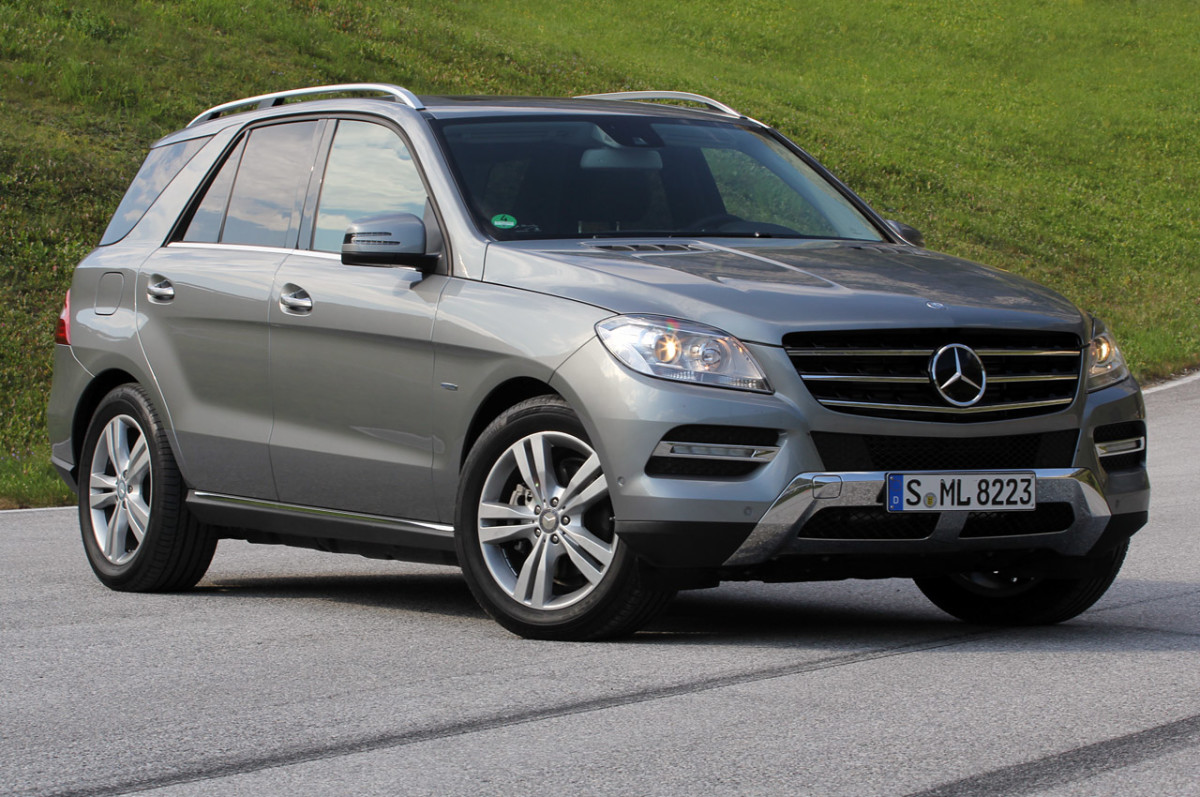
That’s exactly what happened in Seyyed Javad Maadanian v. Mercedes-Benz USA, a case filed in Seattle’s federal court. Maadanian, who owns a 2011 Mercedes-Benz ML350, argued that the automaker didn’t do enough to support customers during a critical safety recall.
Rather than disputing the defect itself, Maadanian’s lawsuit focused on what happened after the recall was announced. He claimed that neither Mercedes-Benz nor the dealership provided a loaner vehicle or covered rental expenses while his SUV sat unused.
Court documents show that the case hinged on alleged violations of the Washington Consumer Protection Act, as well as claims that Mercedes was unjustly enriched by failing to cover transportation costs during the recall.

The Recall and the Dispute
The story dates back to May 2022, when Mercedes-Benz issued a sweeping recall for nearly 300,000 vehicles due to a brake booster problem. Moisture can cause corrosion inside the brake booster housing, compromising braking performance.
Needless to say, the problem was serious, so owners were told to stop driving their vehicles until a dealership could inspect them. Maadanian says he followed that instruction immediately. After learning about the recall, he contacted a local Mercedes dealer and asked that the SUV be towed for inspection and that he be provided a loaner vehicle or reimbursement for renting one.
According to Maadanian, the dealer turned him down. That meant he had to pay for his own transportation while his SUV sat idle. The lawsuit argued that Mercedes left owners to cover these costs themselves, and didn’t make it clear how, or if, reimbursement or mobility help would work during the recall.
Mercedes, for its part, said it offered towing and assistance options as part of the recall, and that its communications with customers and dealers changed as the situation developed.

The Judge’s Decision
According to Car Complaints, US District Judge Robert S. Lasnik granted summary judgment for Mercedes-Benz earlier this month, bringing the case to a close.
The court found that Maadanian hadn’t provided enough evidence to show that Mercedes’ communications were deceptive or unfair under Washington’s consumer protection law. The judge also said the company’s statements to customers and instructions to dealerships were consistent.
While the recall process did create some confusion about transportation and reimbursement, the court noted that Mercedes adjusted its policies as the situation evolved. The judge also pointed out that automakers shouldn’t be discouraged from issuing urgent safety notices, since waiting to finalize every detail of a recall program could delay warnings about serious defects.
The court concluded that Mercedes’ actions weren’t unethical, illegal, or misleading and dismissed the remaining claims.