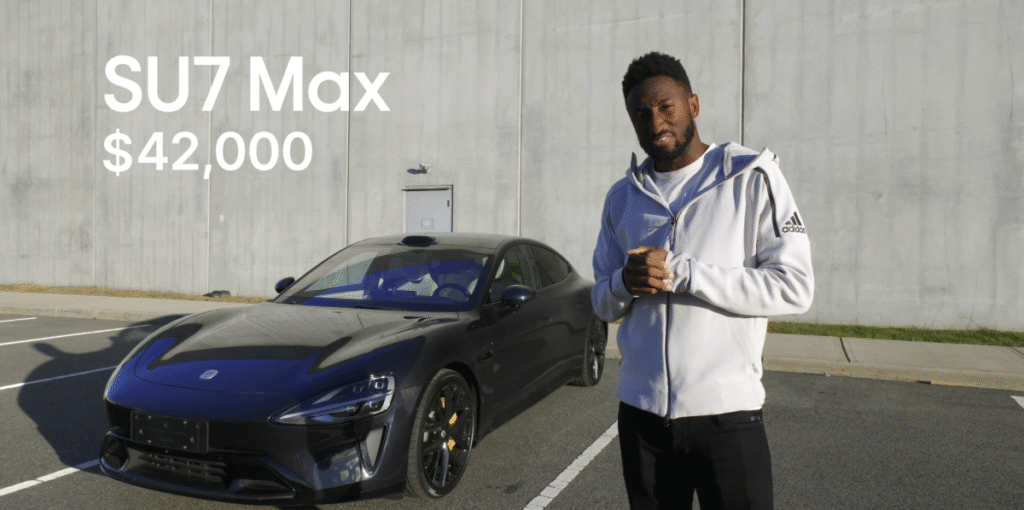
Tech YouTuber Marques Brownlee has spent plenty of time with American and European EVs, but his latest deep dive focuses on something U.S. buyers cannot get: the Xiaomi SU7 Max. The sleek Chinese electric sedan costs the equivalent of about $42,000 in its home market, yet Brownlee says it feels like a $75,000-plus car in terms of performance, software, and interior quality.
His conclusion is clear. On product alone, a car like this would put serious pressure on a lot of mainstream and premium EVs sold in the United States. The catch is that it is effectively locked out of the market by tariffs and political worries over Chinese tech.
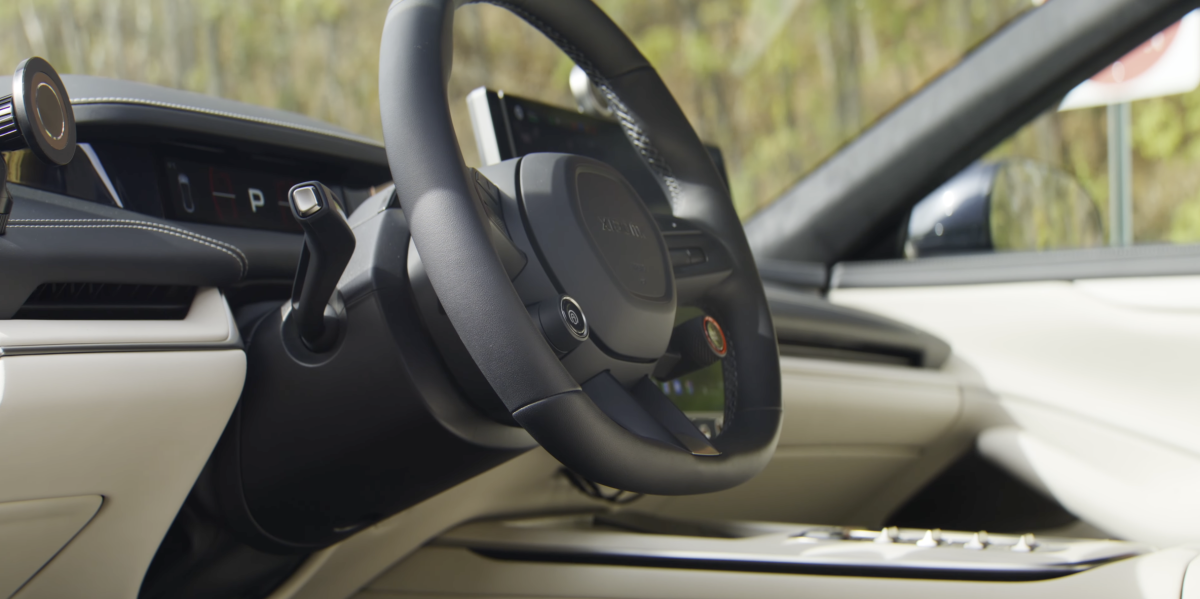
Inside Xiaomi’s $42,000 EV
The SU7 Max is the flagship version of Xiaomi’s first mass-market car, a fastback sedan with dual motors, all-wheel drive, and more than 600 horsepower. Brownlee highlights strong straight-line performance, calm high-speed manners, and cabin tech that feels closer to a high-end smartphone than a traditional infotainment system. He points to crisp graphics, fast responses, and thoughtful features that make familiar systems in many Western EVs seem dated.
That level of polish is arriving from an automaker that has already shipped more than half a million EVs since last year, even though American shoppers will never get to drive one unless the rules change. Brownlee’s video adds a high-profile, hands-on endorsement to the idea that Chinese brands are closing the gap on established players very quickly.
Would It Really “Cook” The U.S. Market?
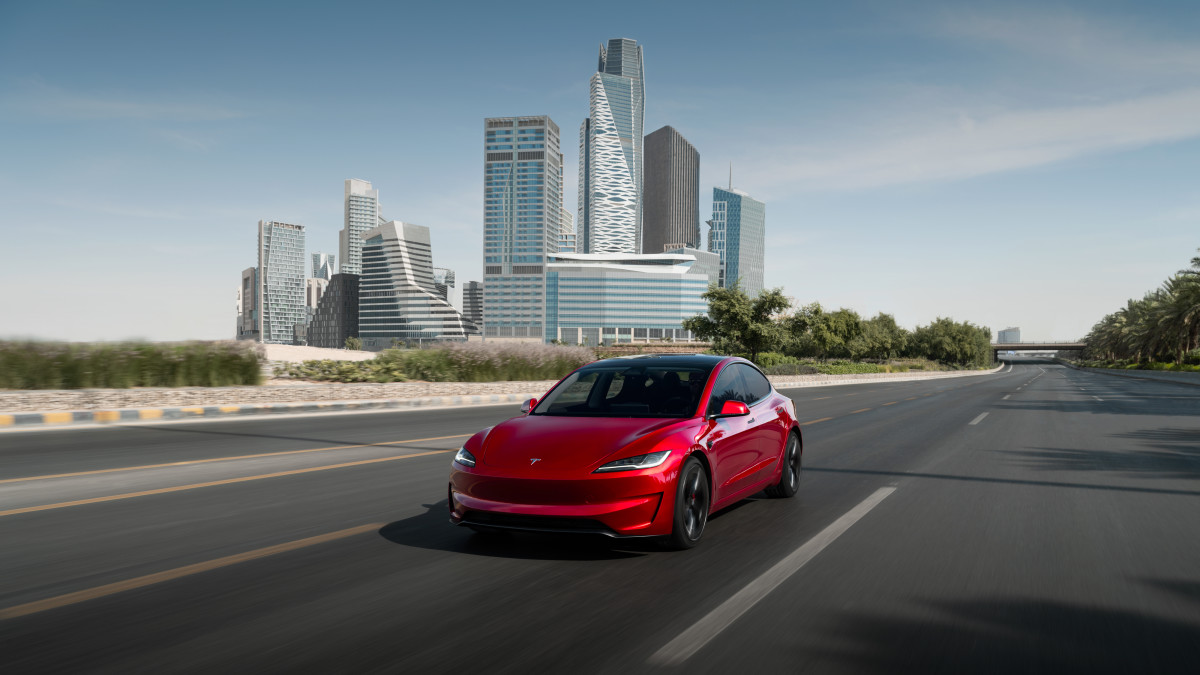
On paper, the SU7 Max lines up neatly against cars like the Tesla Model 3 Performance and higher-end European sports sedans. Xiaomi has already pitted hotter SU7 versions against Tesla in attention-grabbing stunts, including a 2,500-horsepower showdown where the Xiaomi SU7 Ultra races a Model S Plaid.
Brownlee’s main point is that if a well-equipped, high-performance EV with this level of finish could really land near $40,000 in the U.S., it would reset expectations for what buyers get at that price.
Great Product, Tough Politics
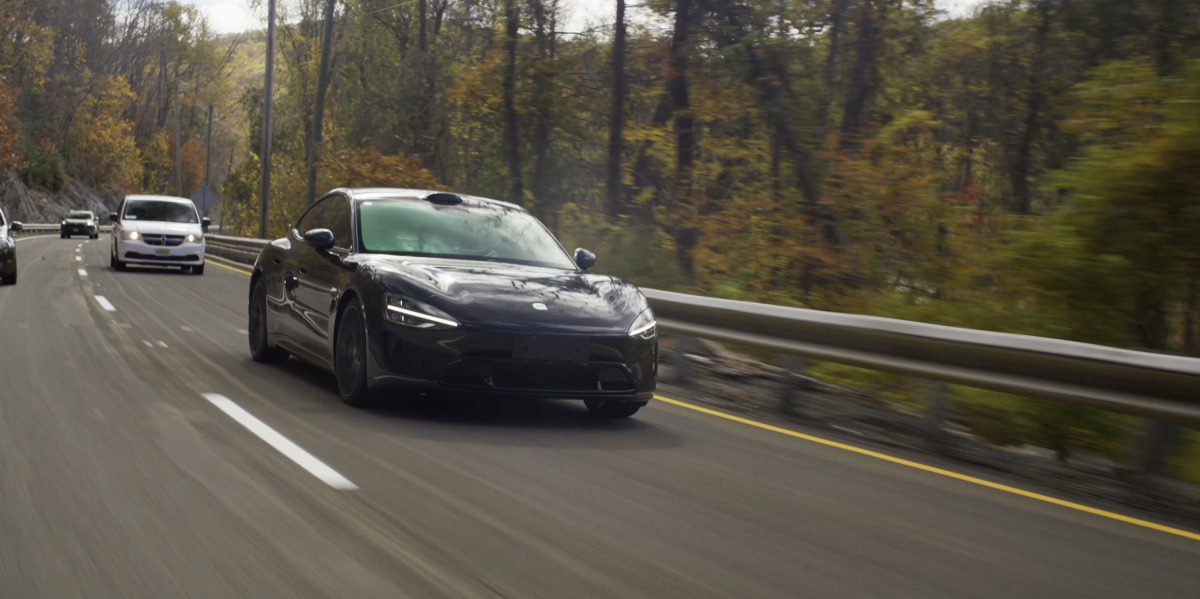
Brownlee also acknowledges what keeps cars like this out of American garages. The United States has steep tariffs on Chinese-built EVs, and policymakers are increasingly focused on data, software, and security risks from connected vehicles. Xiaomi is already learning that building competitive products is only one part of the story; a recent fatal crash has put design and safety under the microscope, with scrutiny of a door layout.
Brownlee’s verdict is that the hype around Chinese EVs is real, at least when it comes to value and execution. For now, though, the Xiaomi SU7 Max is less a direct rival for American-market EVs and more a warning shot about how quickly the competitive bar is rising in countries that are open to Chinese brands.