- Federal DUI mandate survives but faces further delays.
- Critics warn false positives could strand sober drivers.
- Automakers say more testing is needed before rollout.
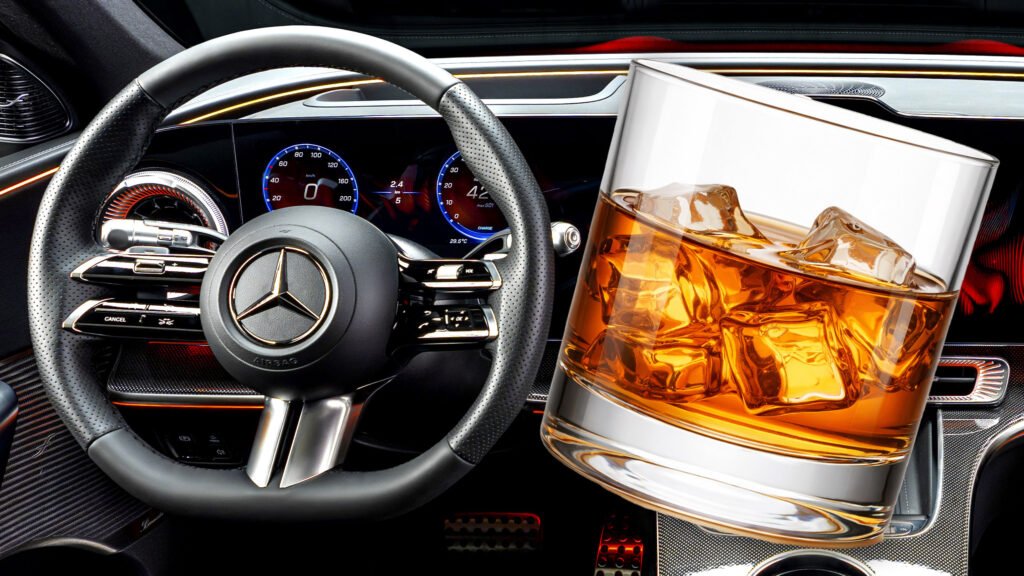
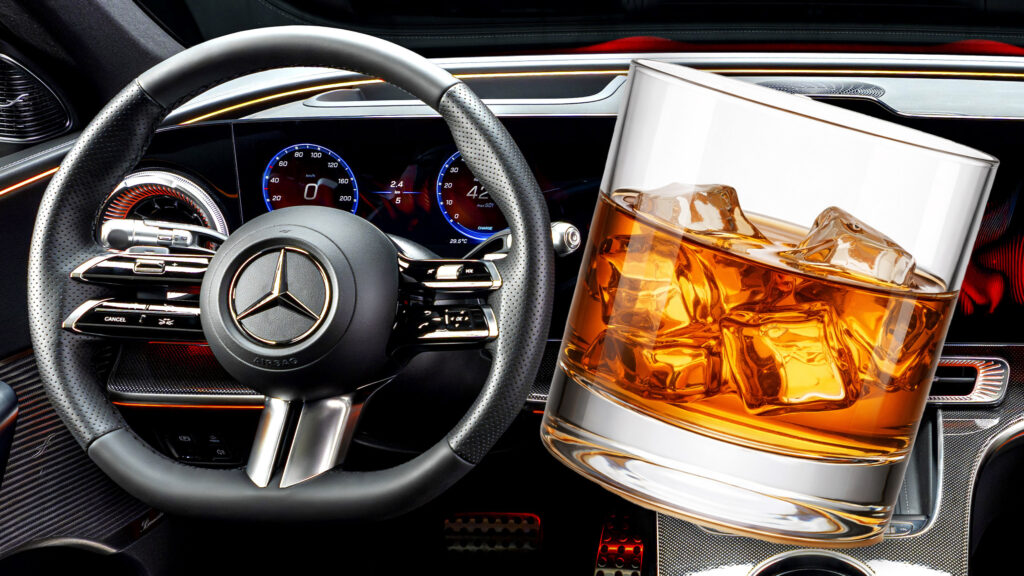
There’s a bill moving through the U.S. government right now that could stop drunk drivers from driving altogether. Dubbed the Halt Drunk Driving Act, it would require automakers to install passive devices in cars to detect impairment and deactivate a car when impairment is found.
It just survived a push to defund the program, but calls for its death are far from quieting down. Opponents say it could strand perfectly sober drivers at the worst of times.
More: Off-Duty Cop Stopped For Suspected DUI. Then The Cameras Turned Off
Under the law, the National Highway Traffic Safety Administration (NHTSA) is supposed to create a new safety standard requiring passive impairment-detection technology in all new cars.
That doesn’t mean every vehicle would get a breathalyzer, though. Instead, regulators could approve systems ranging from cabin air monitors to eye-movement tracking or touch sensors that estimate blood-alcohol levels.
Fears Of False Positives
The political debate around “government kill switches” has generated plenty of headlines. That said, it seems mostly superfluous. Even Chris Swonger, president and CEO of the Distilled Spirits Council of the United States, says the worry is overblown.
“There is no switch, there’s no government control, there is no sharing of data,” he said to the Associated Press. “That’s just an unfortunate scare tactic.”
The more practical concern is simpler. Tech fails. And when it fails in a car, the consequences can be immediate. A sober driver trying to get to work, pick up a child, or flee a dangerous situation may suddenly find their vehicle refusing to move because an algorithm decides something looks off.
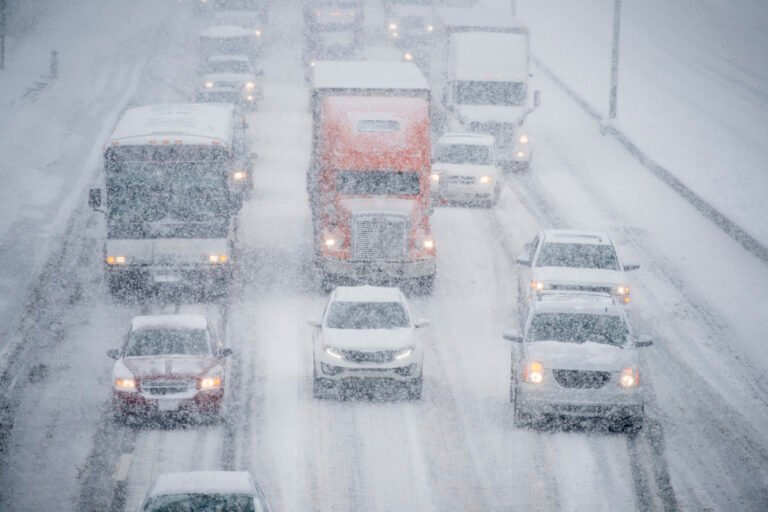
Rep. Thomas Massie went as far as to give the example of a person swerving to avoid an animal in a snowstorm, only for their car to determine that they’re impaired and shut off.
That sounds a bit extreme and highly unlikely given how modern-day algorithms work. Systems combining driver monitoring cameras, behavioral analysis, and alcohol detection sensors have been demonstrated by multiple companies. But it’s not totally without merit.
The point is still sound. If tech gets this wrong, even for just one in 10,000 drivers a day, that’s still thousands of sober drivers who could end up sidelined.
Will Drivers Simply Find A Workaround?
Critics also note a second challenge. Motivated drunk drivers frequently find ways around safeguards. From bypassing ignition interlocks to simply driving another vehicle, history suggests enforcement technology rarely becomes foolproof.
At this stage, we wait for the NHTSA to report back to Congress about its final rule, but that might not even come until 2027. That means that any new car you buy in the next few years likely won’t have any form of impairment detection.