Paying twice for the features you already own
Automakers have spent the last few years imagining a future where every car comes fully loaded — heated seats, advanced driver assistance, even extra horsepower — and drivers unlock features through monthly payments. Investors loved the idea. Drivers didn’t. Now, New York lawmakers are stepping in.
A new bill, which has cleared both chambers of the state legislature, would make it illegal for automakers and dealers to charge subscription fees for features that rely on hardware already installed in the car at purchase. That means no more paywalls for heated seats or different “tiers” of your factory sound system. Violations could trigger fines of up to $250 per sale. It’s not a massive penalty, but enough to cast doubt on the long-term viability of the business model.
State Senator James Skoufis, who sponsored the bill, said the principle is simple: If the hardware is already in the car, drivers shouldn’t have to keep paying to use it. He didn’t hesitate to call the subscription model “the next wave of corporate nickel-and-diming.”
Why automakers want subscriptions in the first place
There’s a reason the industry is chasing recurring revenue. Americans are holding onto their vehicles longer than ever — nearly 13 years on average — meaning fewer new-car purchases. Meanwhile, new cars are expensive, regularly costing $50,000. Automakers can no longer rely on a steady stream of buyers to keep profits growing.

Mercedes-Benz
At the same time, modern cars are permanently connected to the internet. With all that software and connectivity, manufacturers see an opportunity: rather than selling you everything upfront, they can charge you over time. BMW tested subscription-based heated seats. Mercedes sold horsepower boosts for its EVs. Even Volkswagen sketched out a concept where self-driving software charges different “ticket prices” depending on your destination.
To drivers, that sounds dystopian. Dealerships don’t love it either, as subscriptions kill the traditional upsell, and lawmakers worry that essential or safety-related features could eventually get paywalled.
The big carve-out
New York’s bill aims to stop the most frustrating examples, but it contains a long list of exemptions. Automakers can still charge for anything requiring an ongoing data connection or software maintenance: navigation updates, Wi-Fi hotspots, satellite radio, telematics services, driver assistance and automation features, and anything that depends on cellular networks.
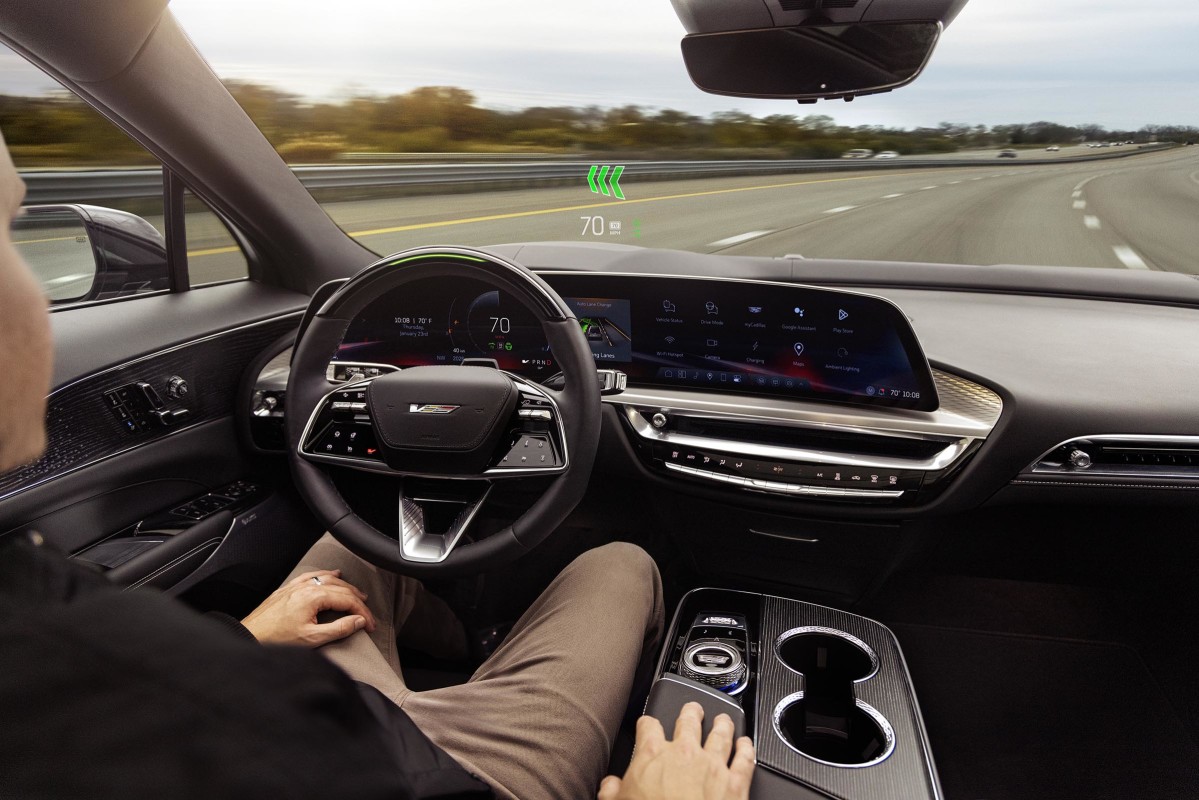
General Motors
That means Tesla can still charge for Full Self-Driving, GM can keep Super Cruise behind a subscription, and services like OnStar — including automatic crash notification — would remain paywalled, even though lawmakers cited them as systems that should arguably be free.
The bigger concern is how easily exemptions could be stretched. Automakers could redesign basic features to require minimal data transmissions or periodic software checks, just enough to qualify as “connected services.” Regulators will ultimately have to decide what counts as a genuine ongoing cost.
Final thoughts
The bill won’t end in-car subscriptions altogether, but it sends a clear message: charging monthly fees for basic hardware crosses a line. With similar proposals emerging in New Jersey and Massachusetts, New York may be the first state in a broader pushback. For now, the subscription-everything future automakers pitched isn’t guaranteed — and drivers aren’t ready to pay for the privilege of using features they already bought.