A Bargain EV Meets a Big Concern
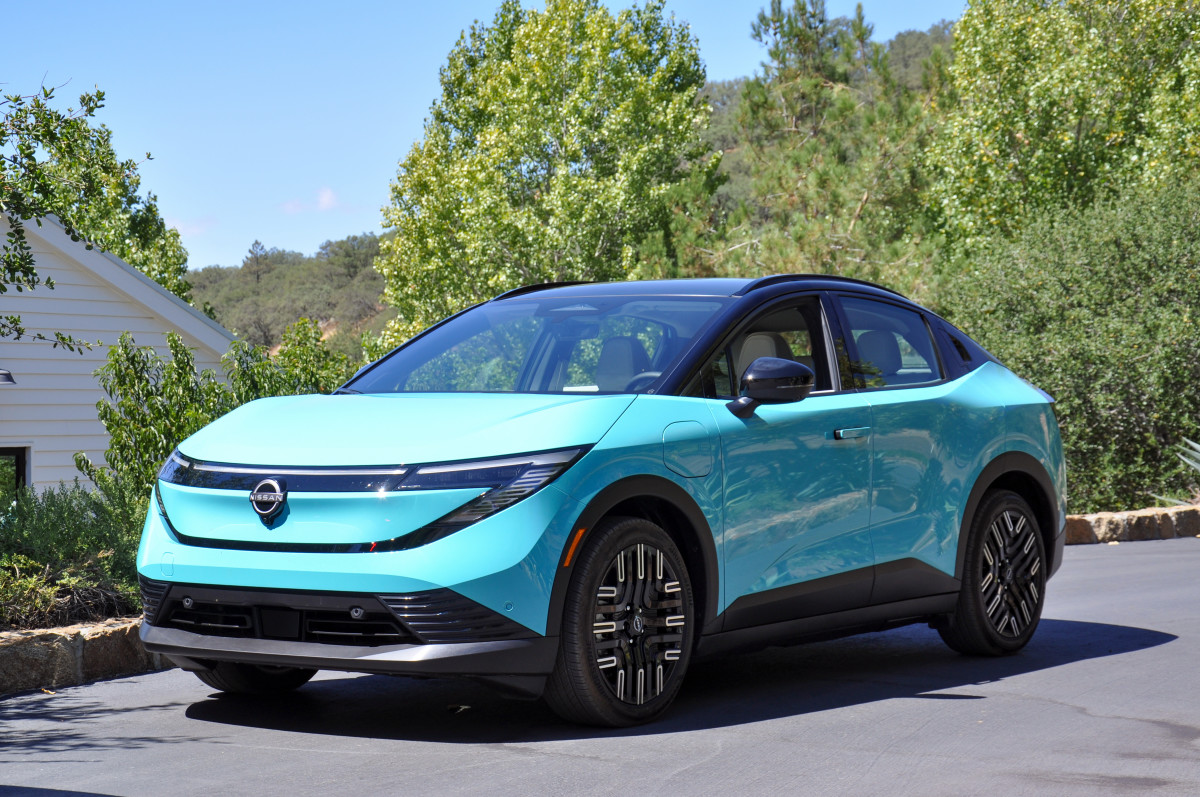
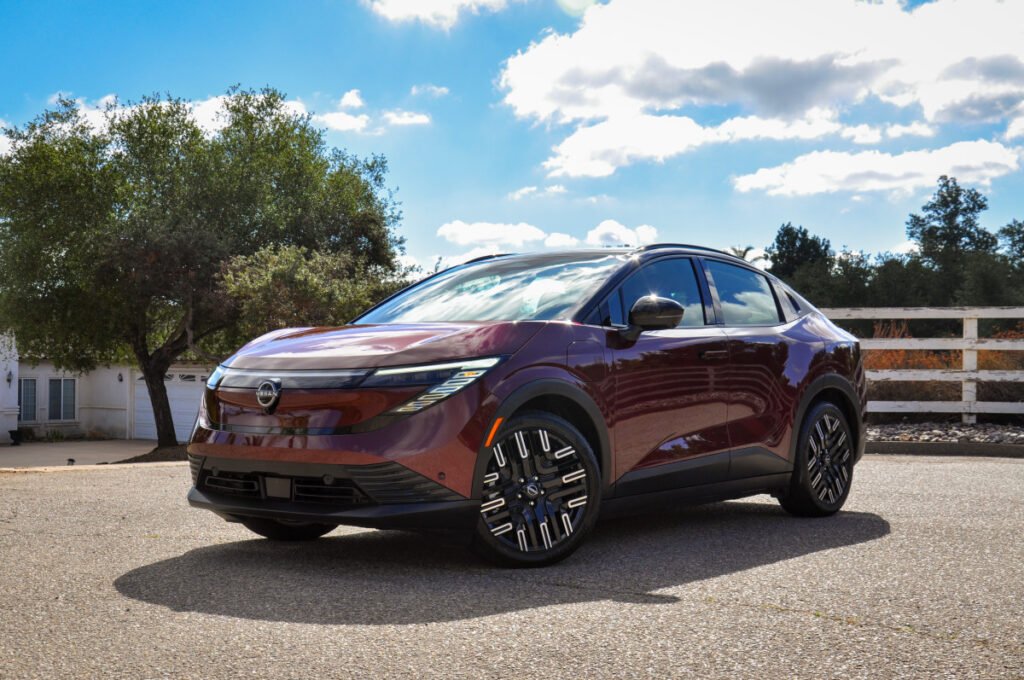
Nissan continues to support the electric vehicle market with the new Leaf introduced last year, as its affordability makes it a more accessible option for those looking to make the switch or simply buy a new EV. Unfortunately, though, some examples are already facing an early setback after the Japanese marque issued a recall over a battery pack defect that could cause a fire even when parked.
Because of the safety risk, affected owners are being urged to bring their Leaf to a Nissan dealer, where they will be provided with a rental car until a remedy is available. The recall covers about 51 units built between July 17, 2025, and November 26, 2025. The automaker estimates that all of them are affected and notes that no other Nissan or Infiniti models are involved.
What Went Wrong
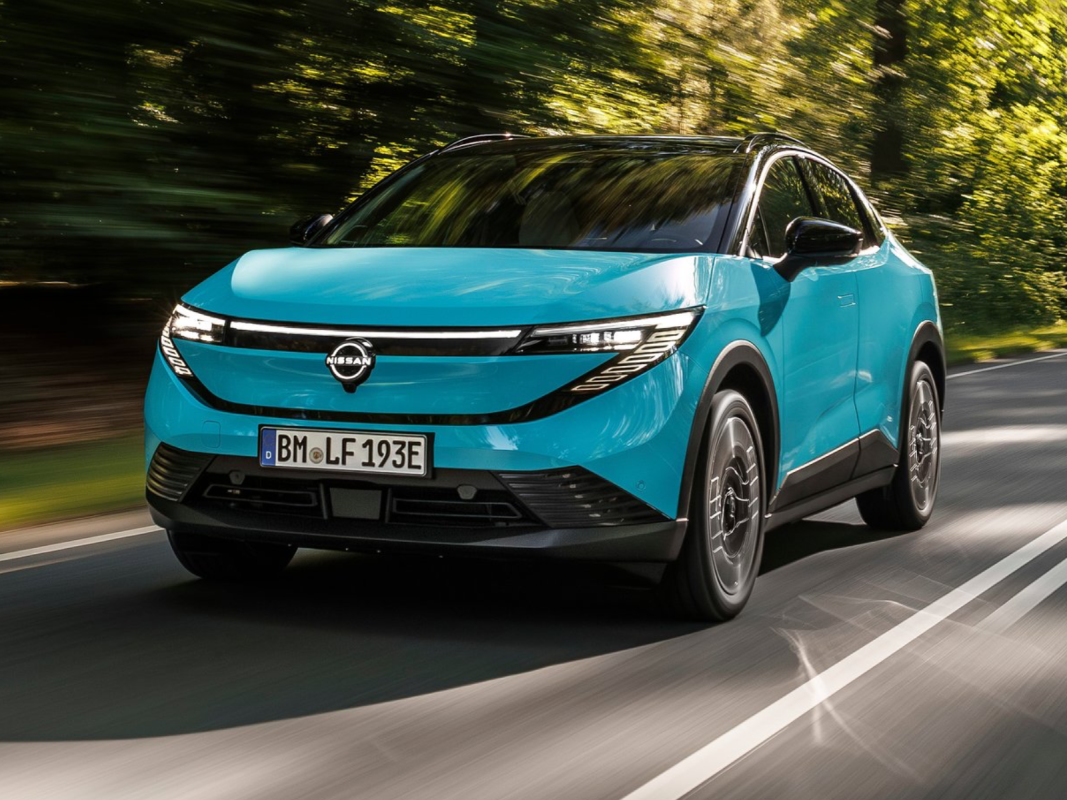
According to NHTSA recall number 26V188, the issue with the 78-kWh lithium-ion battery pack stems from the supplier’s manufacturing process. The edges of the battery cell cathode material may have been damaged, and those torn edges could fold over on themselves, increasing the risk of a short circuit within the battery module. That could lead to overheating, a thermal event, and ultimately a fire.
Nissan has identified the potentially affected units through one-to-one traceability between battery IDs and VINs.
So far, two units have been reported to have experienced thermal incidents – one in Japan on February 16, 2026, and another in the U.S. on March 2, 2026. Both occurred while the Nissan Leaf was parked. No accidents or injuries related to the defect were reported.
Cole Attisha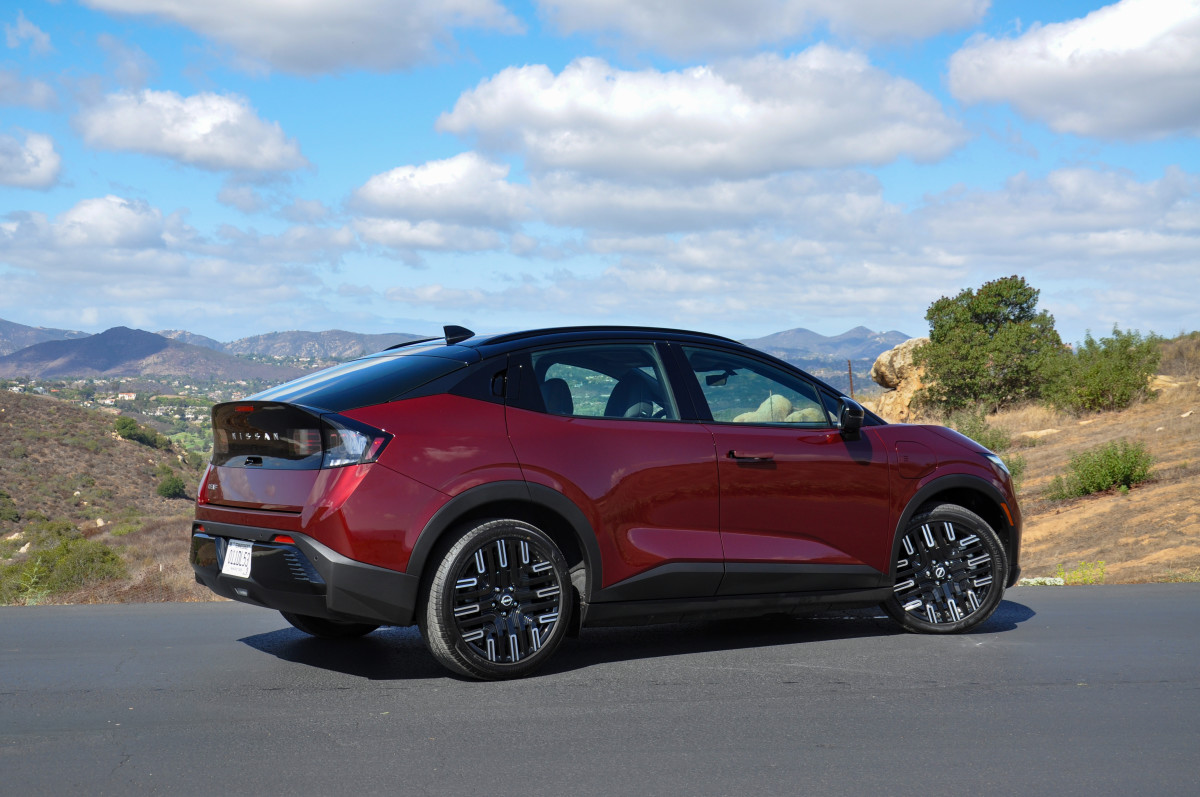
Addressing the Issue
Nissan will notify affected owners starting April 17. Dealers will inspect the affected EVs and replace the battery if necessary. No reimbursement program has been established because the recalled units are still under warranty.
Meanwhile, owners who choose not to bring their Leaf to a Nissan dealer for a rental vehicle are advised not to charge it and to park it away from buildings to reduce the risk of a fire.
Because the defect is attributed to a manufacturing error, it does not necessarily indicate a design flaw. The Leaf – now in its third generation – starts at $29,990 (excluding destination), undercutting similarly positioned EVs in the U.S., including the Hyundai Kona Electric and Toyota bZ, which start in the low-to-mid-$30,000 range.