
Trails Meet A Legal Roadblock
Off-roading, despite being harsh and rough, can be fun and exciting, especially when driving vehicles built for it, like a Jeep Wrangler. However, in California’s Mojave Desert, the Los Angeles Times reports that a federal judge has ordered the closure of roughly 2,000 miles of off-road routes in critical habitat in the western Mojave, citing harm caused by off-road vehicles — technically called off-highway vehicles, or OHVs — to wildlife.
To be more specific, OHVs are reportedly threatening the desert tortoise population in the area, with biologist Kristin Berry of the U.S. Geological Survey saying the species’ numbers have dropped by 96 percent in some monitored areas since the 1970s. Among the impacts of this recreational activity are the destruction of burrows where tortoises live and the dumping of trash, which attracts ravens that feed on baby tortoises.
The Desert Debate Heats Up
It’s still unclear how the Bureau of Land Management plans to enforce the route closures, given how large the area is that federal judge Susan Illston ordered to be closed. The move has drawn criticism from off-road enthusiasts. Some members say they are being unfairly blamed for the tortoise’s decline, with one arguing that the judge “went a little too far.”
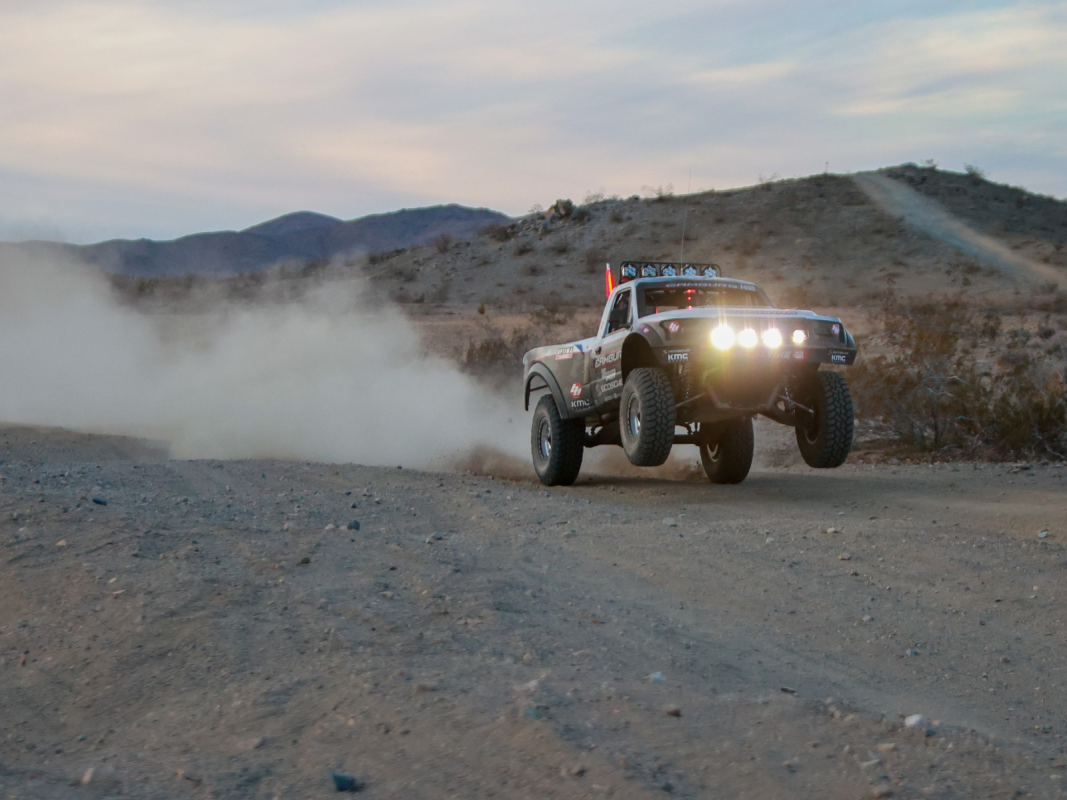
On the other hand, the closure is a win for environmental groups that have long been in a legal battle to protect wildlife in the area. Lisa Belenky, an attorney for the Center for Biological Diversity, said the recreational activity “is dominating these lands and literally ruining them.” Organized racing events are also held in the region, including those run by M.O.R.E. (Mojave Off-Road Racing Enthusiasts), where vehicles such as modified Volkswagen Beetles known as Baja Bugs compete across the desert terrain.

A Desert Economy At Risk
However, not all visitors take part in off-road racing, with some simply camping or hiking in the area.
Illston has given the Bureau of Land Management a 2029 deadline to develop new off-road vehicle routes. In the meantime, the closures could also affect businesses in the area that depend on tourism. Business owners from places such as Lucerne Valley, Calico, and Randsburg have expressed concerns over the decision.
Aside from off-road enthusiasts, the dispute also reflects a broader, long-running conflict over how the desert should be used, including for recreation, grazing, mining, and military activity.