Porsche Brings a Forgotten Racing Icon Back to Life
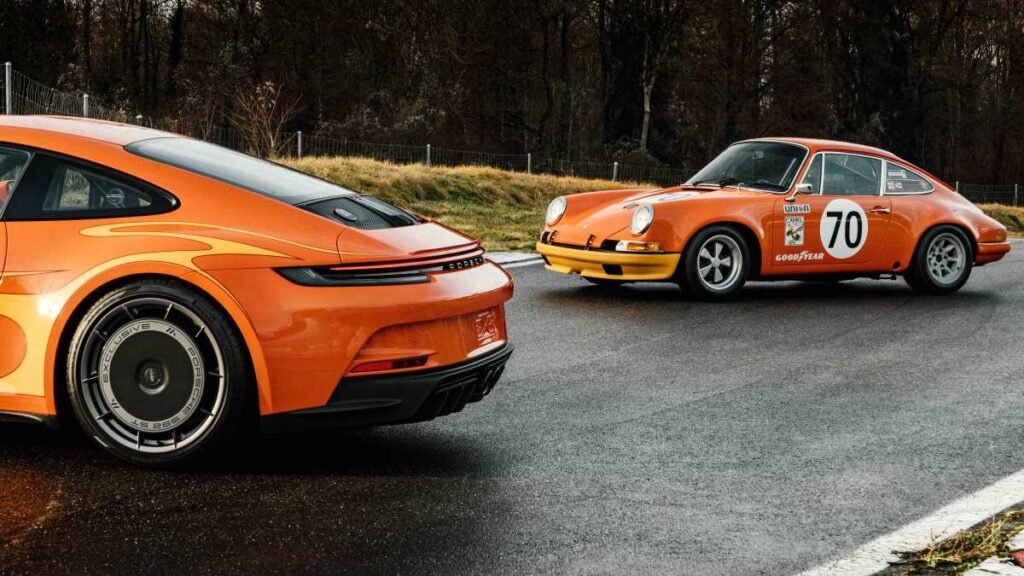
Long before heritage builds became a marketing play, the 1972 Porsche 911 S/T earned its reputation the hard way. It was not a factory-backed hero like the RSR. Instead, it was a privateer weapon shaped by necessity and ingenuity. Entered by Equipe de Course Marc Dancose and later refined by Brumos Racing, this Phoenix Red coupe competed in 27 races across North America between 1973 and 1978.
Its resume includes some of the most demanding venues of the era. Sebring, Daytona, and Indianapolis all feature in its logbook. The car itself reflected that gritty existence. Standard front wheels were paired with wider, mismatched rear units. The setup looked unconventional but delivered the traction needed for endurance racing. Its career ended abruptly after a crash at Trois-Rivières, but the story did not end there.
Porsche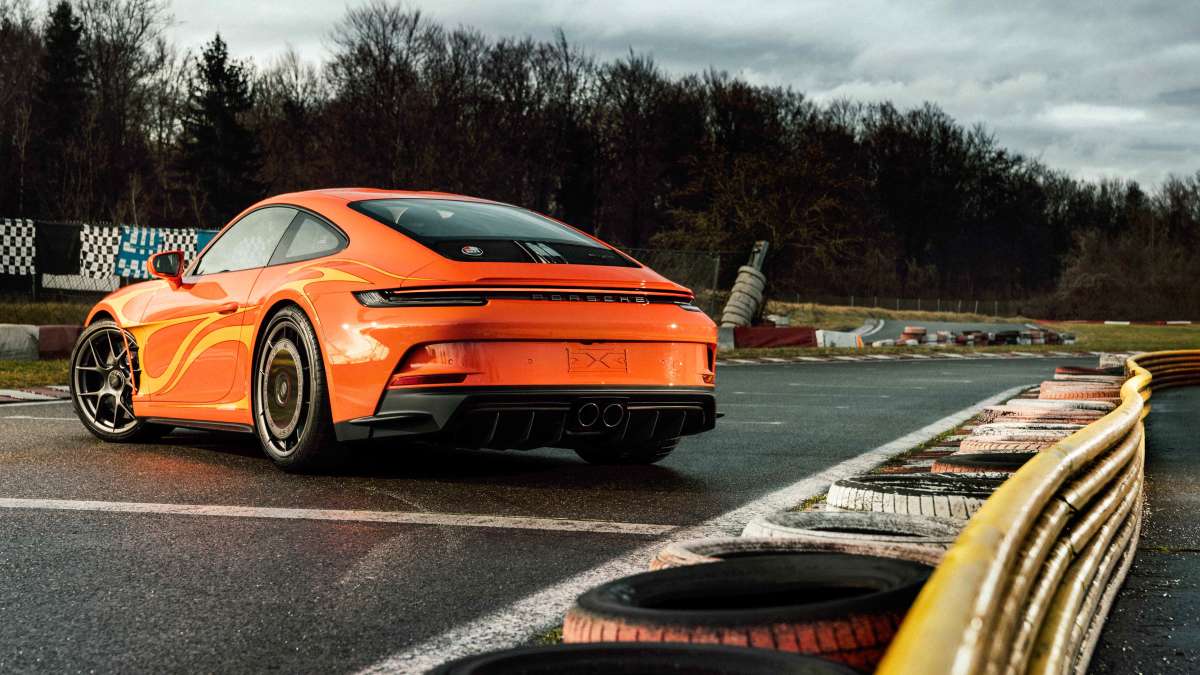
A One-Off Reinterpretation, Not a Replica
Decades later, the original car resurfaced in a Swiss collection. Fully restored, it became the catalyst for something more ambitious. Through Porsche’s Sonderwunsch program, the owner commissioned a modern 911 S/T that captures the spirit of the original without copying it outright. The goal was simple. Keep the spirit of the original, but give it a modern twist.
Designer Grant Larson led the visual direction. Instead of replicating period sponsor decals, he developed a layered paint concept. Phoenix Red dominates the body, while Signal Yellow appears selectively, most notably on the front bumper. The paint is done by hand, with smooth transitions that nod to the original without overdoing the retro look. It feels like a fresh take, not a copy.
Porsche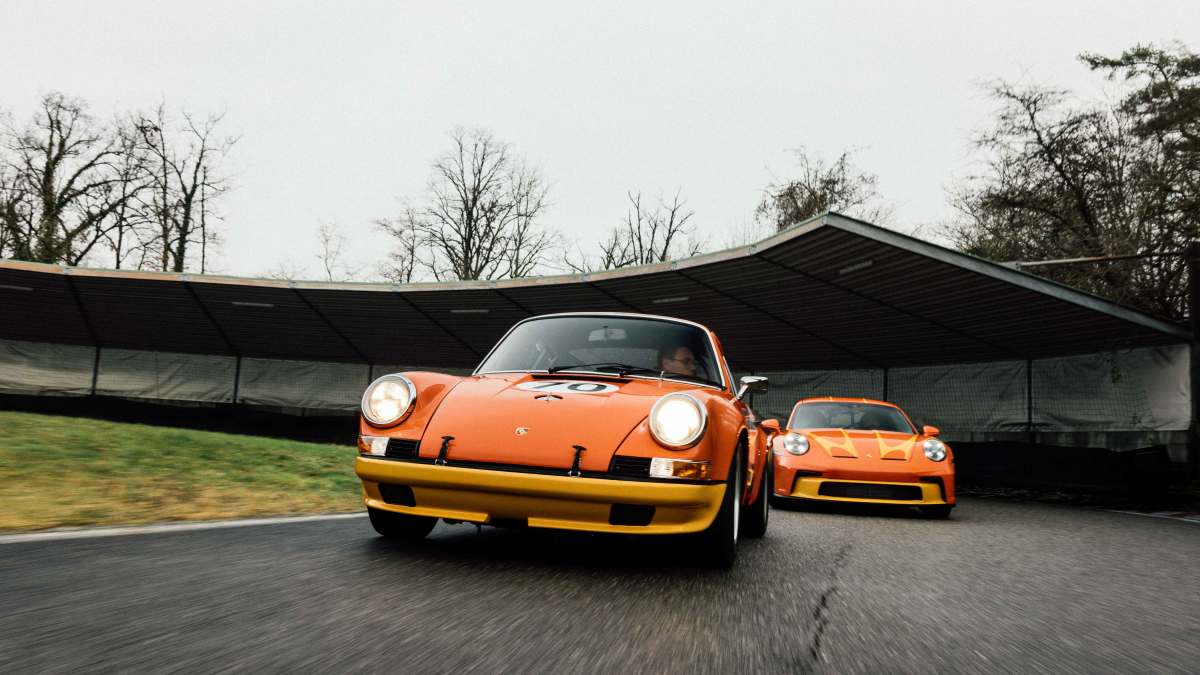
The Lowdown: Subtle Details Tell the Real Story
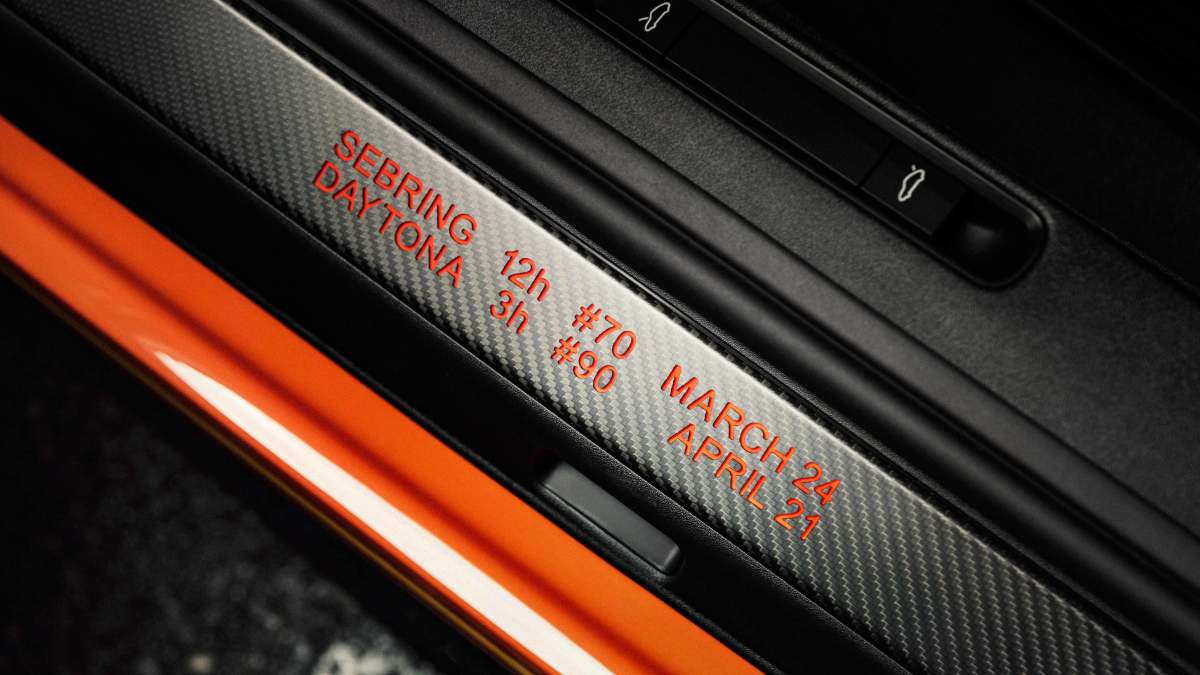
The deeper you look, the more the car reveals. References to the Camel GT Challenge are present, but handled with restraint. Tobacco branding may no longer be acceptable, yet the iconic camel appears in discreet ways. It is embroidered into the headrests, etched into trim pieces, and projected onto the ground when the doors open. Even racetrack outlines from Sebring, Daytona, Indianapolis, and Lime Rock are worked into the cabin.
There is also a deliberate nod to the original car’s asymmetry. The rear wheels can be fitted with Manthey Racing aerodiscs inspired by the GT3 RS. They are removable for road use, which keeps the car compliant while preserving the visual link. As with all Sonderwunsch builds, execution is the headline. Every surface, material, and detail meets production-level standards. This is not just a tribute. It is a rolling case study in how Porsche can translate history into something relevant today.
Porsche