Maintaining Classics is a Tough Hobby
When it comes to the ownership of special and iconic models from brands, upkeep is a major consideration. Owners of said vehicles tend to want to keep their cars as close to original as possible, especially the classics.
It’s hard enough to maintain old cars, but finding the required parts is even harder. Porsche is making things a little easier for those looking to keep their classic interiors original by reissuing some of its iconic, nostalgic seat patterns – perfect for those restoring or repairing their classic Porsches.
Nostalgia Has Long Been Porsche’s Game
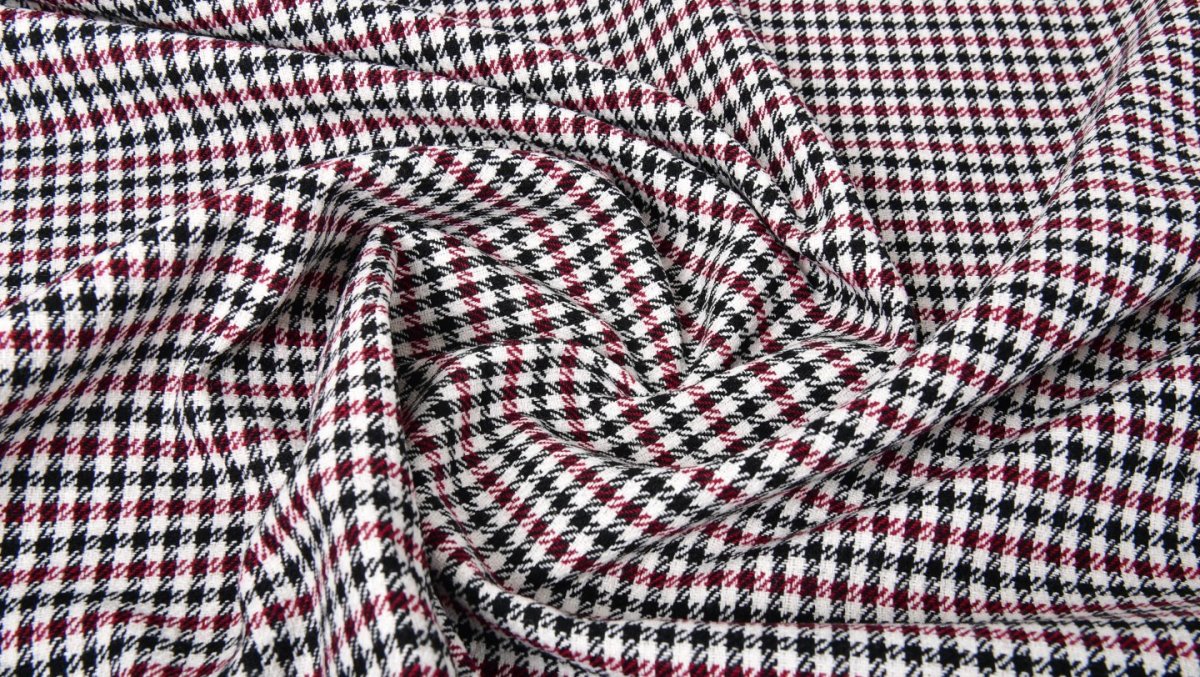
The Porsche Classic Fabric collection builds on the idea of nostalgia through restoration. The automaker issued style-defining textiles, such as Pepita and legendary patterns such as pasha, tartan, or pinstripes.
Porsche is keen to offer these fabrics to owners who may have had to go to outside brands to retrofit similar, but not original, patterns and fabrics. Yes, Porsche is a brand that likes to look back and be nostalgic, and it’s now helping its customers who follow the same trope.
“It was particularly important to us in this project that we maintain our quality promise with the fabrics. Unfortunately, there are many imitations on the market that are either not at all suitable as seat fabric or lose their appearance after a short time. That’s why we want to offer our customers a tested original alternative again,” says Ulrike Lutz, Director Classic at Porsche.
Porsche’s latest reissue comes on the back of recent restomods by the brand, like the reimagination of the 996-generation 911, as well as a slew of special-edition models that seem to hark back to the past, with the most recent highlight being the Spirit 70 911 limited edition.
Iconic Trio: Pepita, Pasha, and Tartan
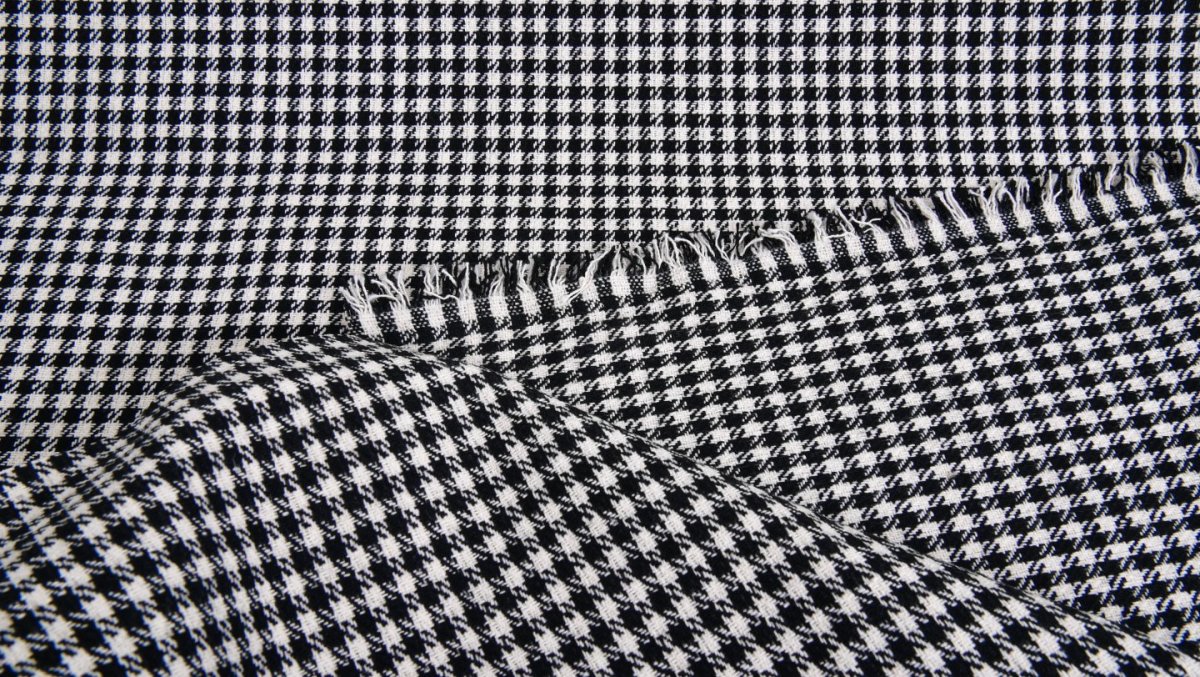
The headline patterns making a comeback for the fabrics are Pepita, Pasha, and Tartan. Pepita was offered in 1963 in the 356, then eventually the 911 F Model. The name of the pattern comes from the stage name of the 19th-century Spanish dancer Josefa Durán y Ortega, which was “Pepita de Oliva.” It was made famous by Christian Dior.
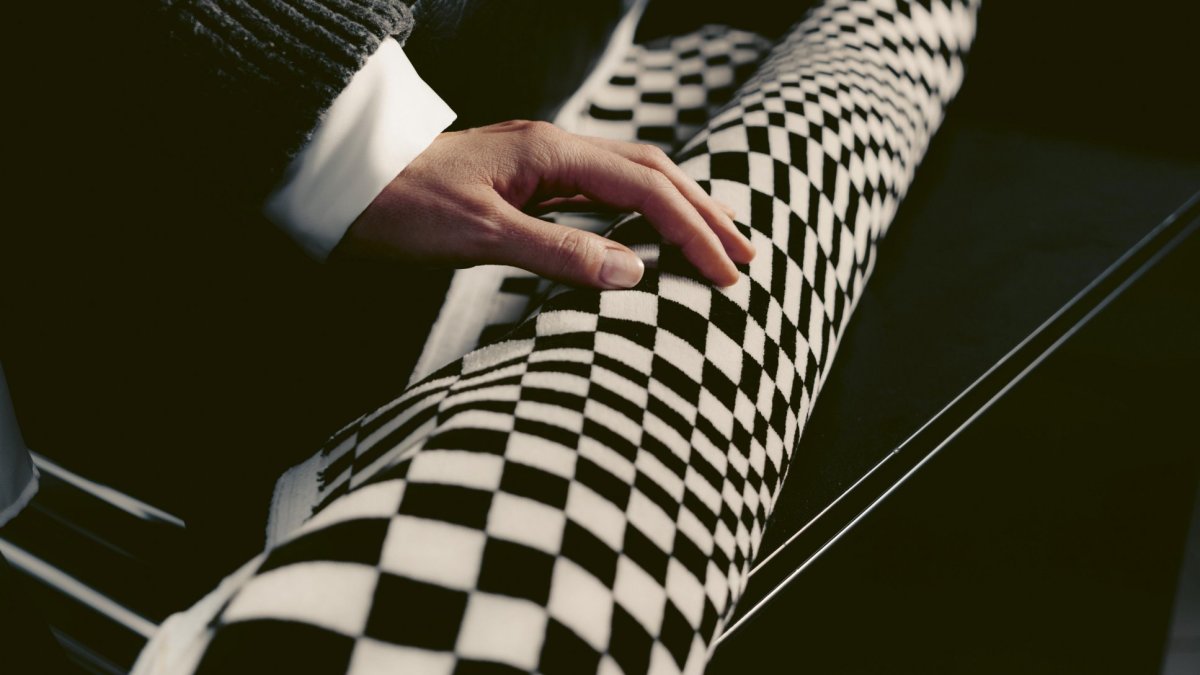
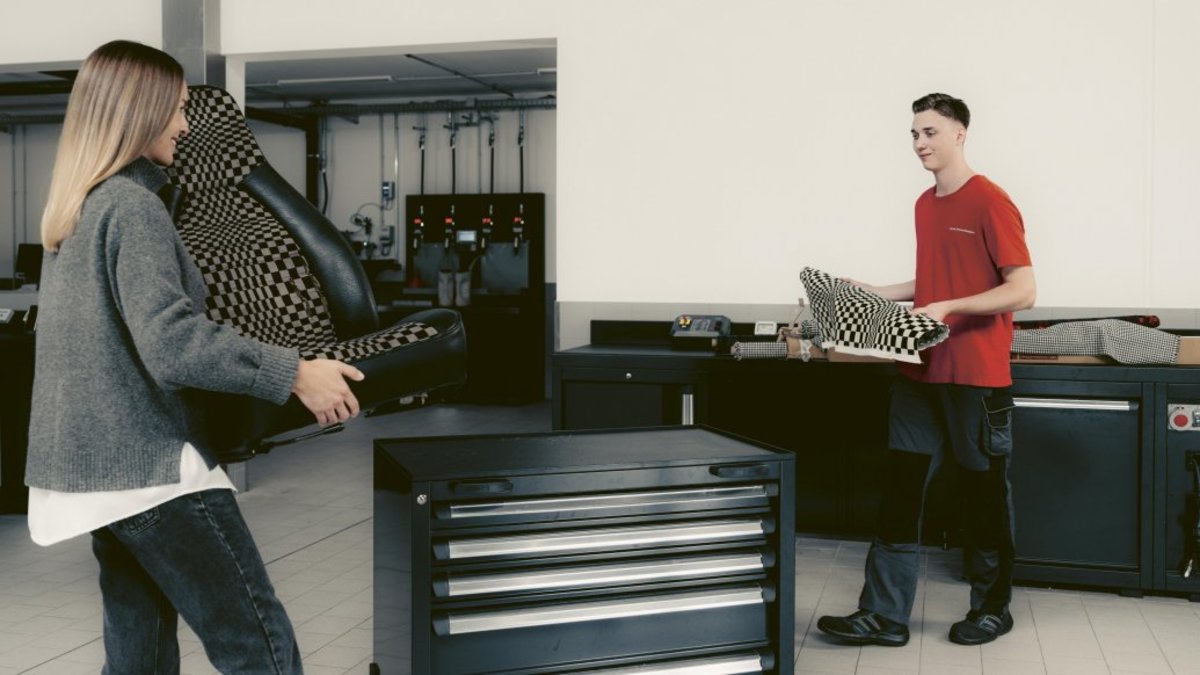
Pasha takes inspiration from motorsport, borrowing the most iconic chequered flag pattern. First presented to the public in the 928 in 1977, and also offered in the 911, 924, and 944 until the mid-1980s. The name “Pasha” was intended to evoke images of Ottoman sultans reclining on comfortable silk and velvet cushions.
Tartan symbolises tradition and craftsmanship; it came out in 1974 with three exclusive prints for the 911 Turbo, then eventually offered starting in 1976 for the 911 model. Tartans are characterised by their checkered pattern, created during the weaving process with different coloured threads.
Specific Fabrics for Specific Generations
Porsche painstakingly researched and tested these reissued fabrics before offering them again for purchase. Newly issued fabrics undergo a series of tests, such as fire resistance, light and colour fastness, and abrasion resistance. This makes them ideal for a wide range of applications in vehicle interiors, including seat covers and side panels.
The brand was also eager to include the iconic fabrics that have spanned its storied history, from the 356 to the 911. Here is an overview of the fabrics available for specific generations: