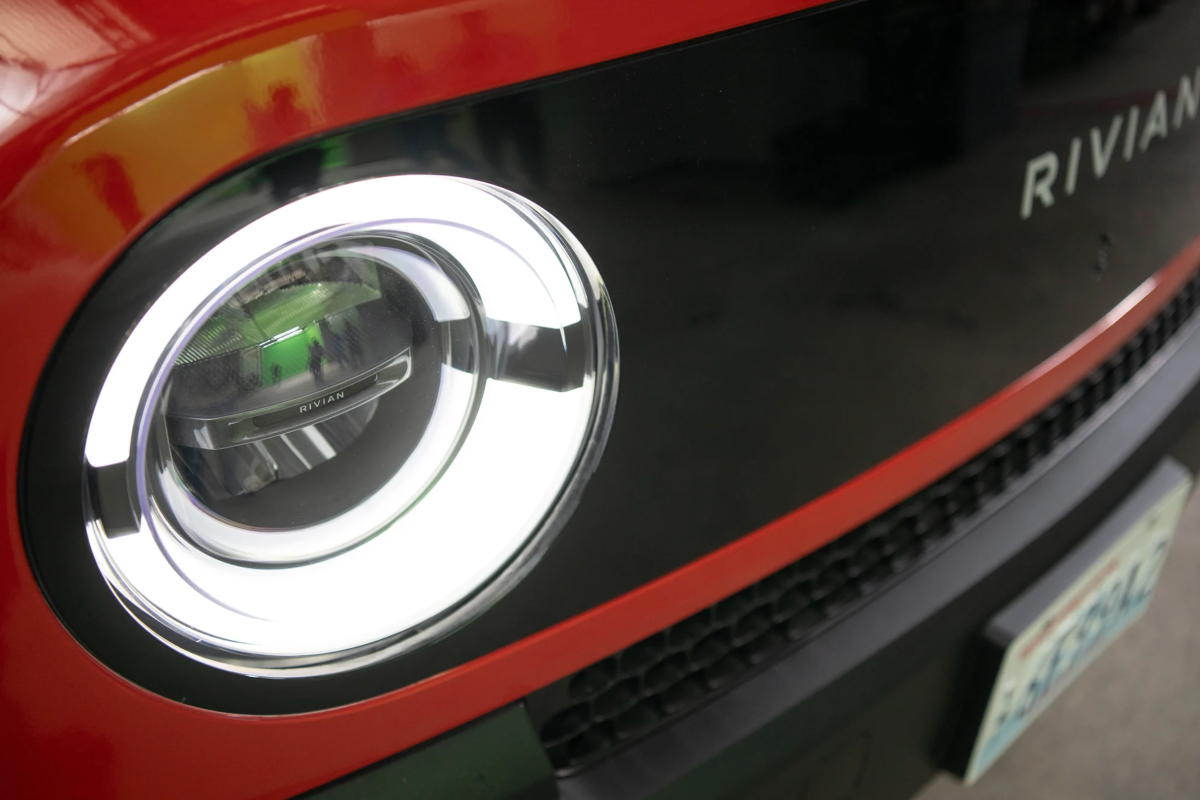
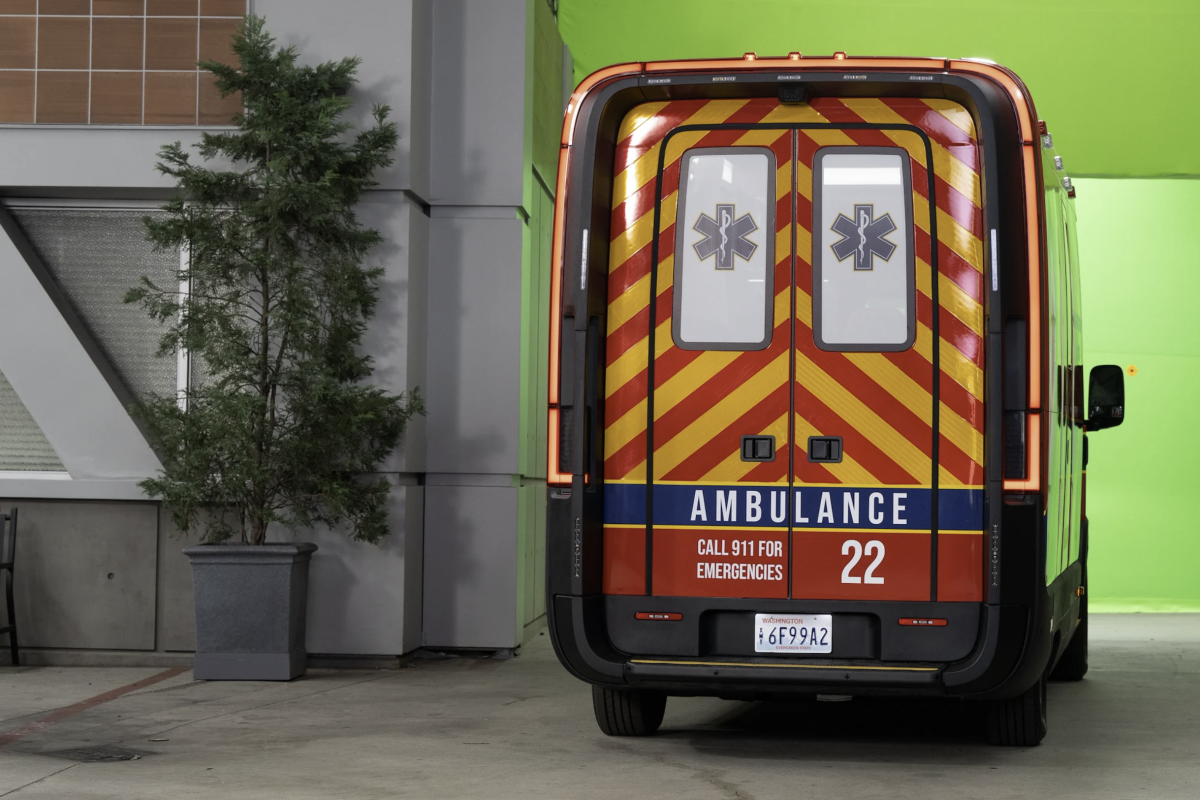
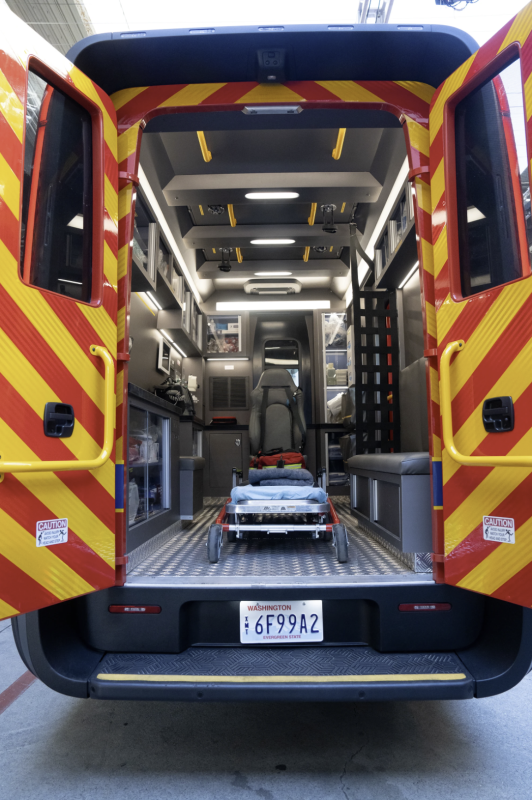
Rivian has taken an unusual route to showcase its commercial EV platform, building a custom electric ambulance for ABC’s Grey’s Anatomy. The company says the “vanbulance” is based on its Rivian Commercial Van architecture and was created specifically for the show, giving the production an on-screen emergency vehicle that also reflects a growing real-world interest in electrifying service fleets.
A Purpose-Built Film Set Vehicle Based On Rivian’s Van Platform
Rivian’s story is clear that this is a TV-focused build, not a production ambulance, and the design brief was shaped by filming needs as much as by vehicle engineering. The van was built to work as both an exterior hero vehicle and an interior set, which is a practical requirement for long-running TV production because it reduces the need for multiple vehicles and allows cameras to capture patient care scenes without rebuilding sets between takes.
Rivian also frames the project as a chance to explore what an EV-based emergency vehicle could look like, even if the Grey’s Anatomy version is ultimately a fictional prop.
Why Rivian Is Doing Brand Work Through Fleets
The partnership highlights how Rivian continues to push its brand beyond consumer trucks and SUVs, using fleet-style applications to keep the platform relevant while it moves toward its next growth phase.
Rivian’s commercial van roots make it a natural candidate for specialty conversions, and the company’s willingness to support a one-off build signals it is still looking for high-visibility ways to keep attention on its engineering, even as it faces pressure to scale profitably.
How This Fits Rivian’s Near Term Roadmap
The Grey’s Anatomy ambulance story lands while Rivian is working to expand its production and lineup strategy beyond the R1T and R1S, with the next platform expected to carry the business. Rivian has already started taking steps toward that transition, which is central to how the brand plans to widen its market and improve scale economics.
Meanwhile, Rivian is also still iterating on its current products, and details like usability changes and physical controls matter to owners in a way that shapes long-term loyalty.