New car prices are higher than ever in the United States, with the average transaction price (ATP) surpassing $50,300 in late 2025 and the average manufacturer’s suggested retail price (MSRP) going past $52,600 as of December 2025.
Because of this, many U.S. buyers are turning to the used car market, only to find that things are not that great there either. We’re now seeing used car prices near 2022 record levels as a result of strong demand and limited inventory–especially 3-to-4-year-old vehicles, a direct result of the 8.1 million fewer new vehicles sold in 2020-2022 during the semiconductor crisis.
But high prices are not the only concern for potential buyers, as the lack of inventory is pushing an increasing number of dealers to resort to questionable practices such as selling cars with branded–or salvage–titles.
Why Some Dealers No Longer Refuse To Touch Salvage-Title Cars
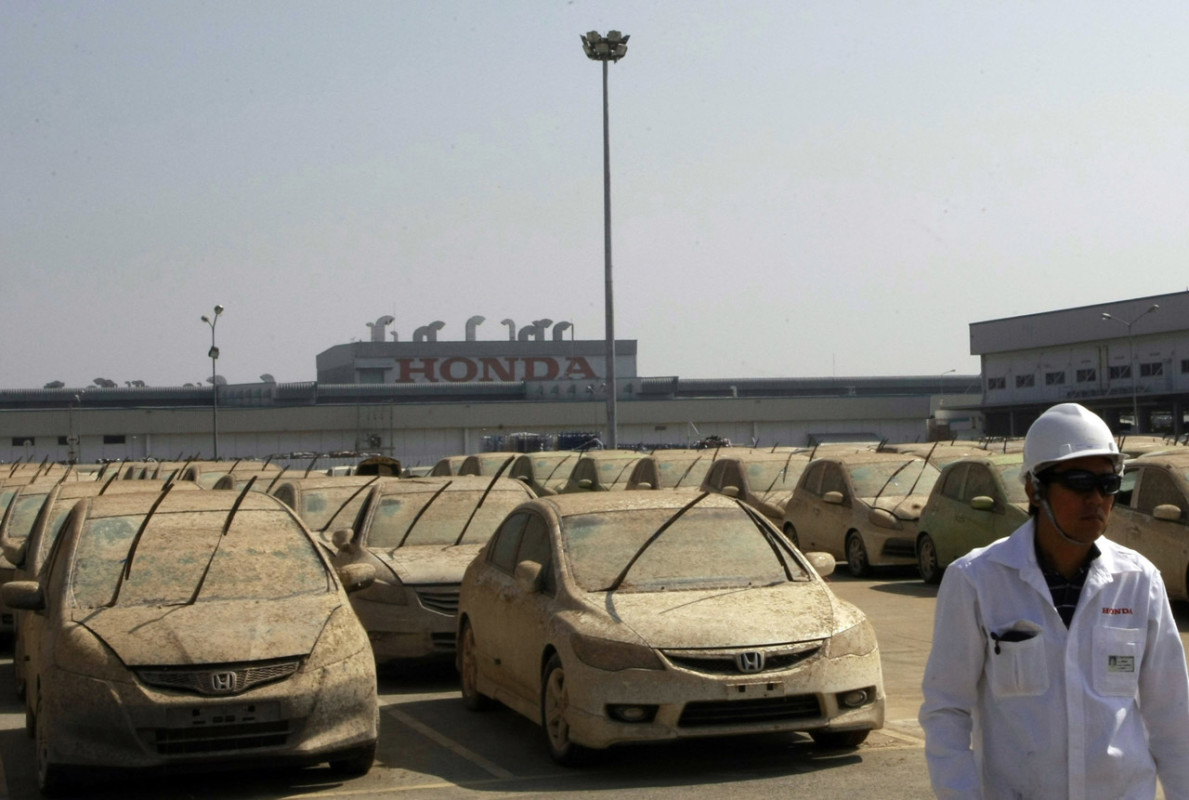
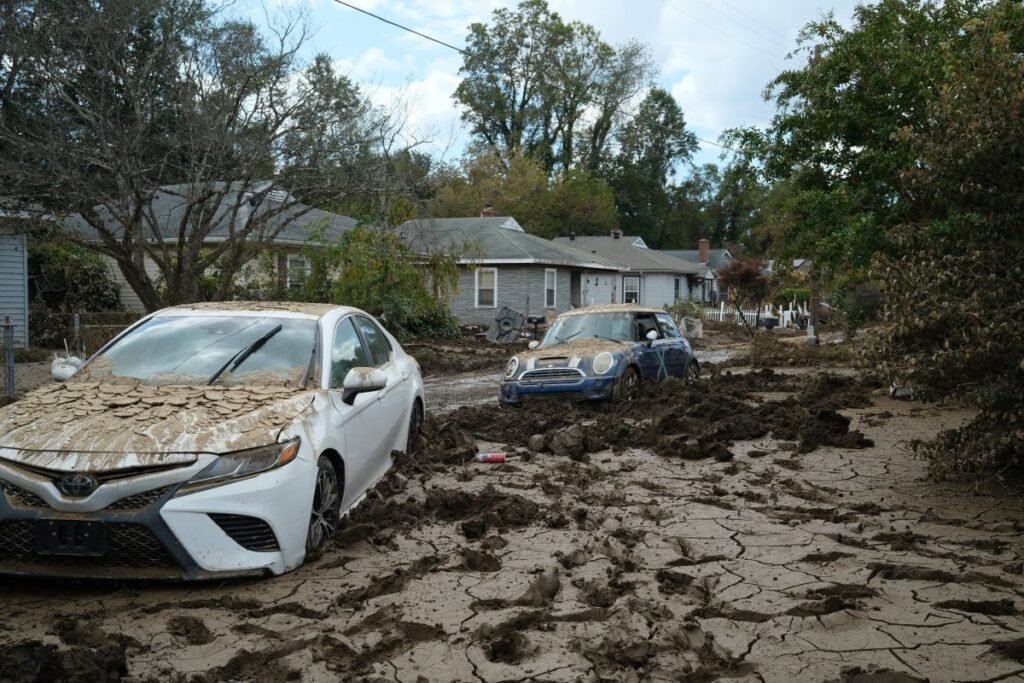
Automotive News reports that what used to be a taboo for a car dealership is now becoming increasingly common: selling cars that previously suffered significant damage, such as from a collision, flood, or fire, or have been declared “lemons” or total losses by an insurance company.
Most mainstream dealerships used to avoid selling used vehicles with branded titles mostly because of the potential liability resulting from that, but as it turns out, it’s a new world out there. While most auction buyers bid on salvage-title cars because they’re after parts, there are others who see an opportunity for a quick buck, so they purchase them to fix and resell them.
The report notes that an increasing number of those buyers are car dealers who are perfectly okay with selling cars that have previous damage in their history and were since repaired so long as the vehicles meet certain quality requirements.
While most mainstream dealers don’t get involved with totaled cars, others said they’re open to cars with unknown mileage or a lemon law buyback in their history, provided there’s evidence that any persisting issues have been solved. Just think about that for a second: you may end up buying a lemon or a used car that may have been subjected to odometer fraud in the past.
A Totaled Car Nowadays Doesn’t Necessarily Mean What It Used To

Now, as The Drive points out, a salvage title in 2026 does not mean what it once did. Typically, insurers write off a car if the cost of a repair exceeds a certain percentage of the car’s value. That results in a branded title being issued and the car in question being sent to auction, at least most of the time.
In dealers’ defense, more cars are being declared “totaled” these days not because of major collision, flood or fire damage, but simply because the parts needed to put them back on the road are too expensive to warrant a repair.
These cars may be in perfectly working order save for a missing electronic component or lighting unit that is extremely expensive because of limited supply and high demand. Once a car like that gets fixed, it’s good business both for the dealer, who gets to add a cheaper used car to the inventory, and the buyer, who can land a bargain should the vehicle lack other serious issues.
As always, it’s up to the buyer to exercise caution when purchasing a used car, even if it’s from a trusted, mainstream dealer. Ask for all the information you need before committing to a purchase, and especially for proof that the seller’s claims are true.