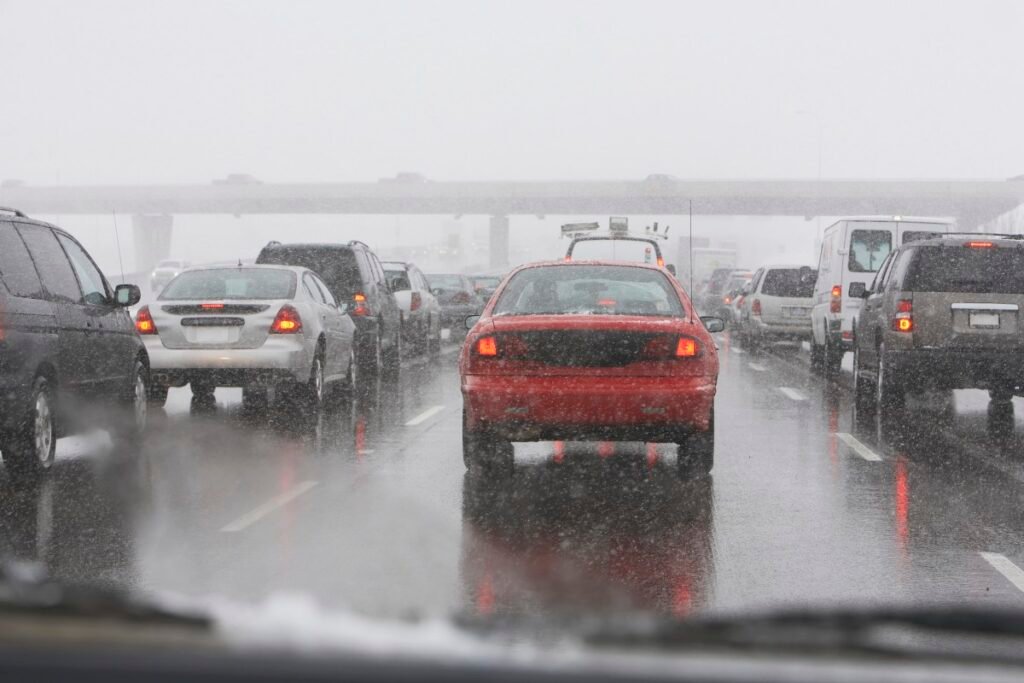
After the first round arrived Monday night, the SPC’s Day 1 Convective Outlook puts the upper Mississippi Valley under a Slight Risk for severe thunderstorms, with hailstones greater than 2 inches in diameter expected from northeast Iowa into southern Wisconsin. And it doesn’t look any better for the rest of the week, with the SPC’s Day 4-8 outlook identifying a multi-day pattern building across the central United States through Saturday.
Wednesday through Thursday, storms are expected along a stalled boundary across Texas and Oklahoma, with the highest buoyancy corridor extending into Arkansas and Louisiana. Friday into Saturday looks more aggressive: a deeper trough should trigger more intense surface low development across Oklahoma and Kansas, with severe storms pushing toward the Great Lakes as the system accelerates northeast. Tornadoes, damaging winds, and large hail are all on the table.
Hail Is The Threat That Costs Drivers The Most Money
Tornadoes get the headlines because they kill people. Hail rarely does, but it is the single most expensive weather hazard for vehicles in the United States. State Farm paid out more than $1.2 billion in auto hail claims nationally in 2024, and NOAA data shows Texas, Kansas, Missouri, Nebraska, and Oklahoma recorded the most hail events that year, with Texas alone logging 878. Several of those states sit directly in this week’s threat zone.The financial damage from a single hailstorm is routinely worse than people expect. Adjusters add up the cost of every dented panel, cracked light housing, and shattered windshield, and if that number exceeds the car’s actual cash value, the insurer writes a salvage check instead of a repair estimate. The car still runs, but it is totaled on paper. Our guide to storm damage and car insurance breaks down the claims process and what your policy actually covers.

The SPC Launched A New Intensity System This Month And Most Drivers Missed It
On March 3, the Storm Prediction Center rolled out Conditional Intensity Groups, the biggest change to its severe weather outlooks in years. The old forecasts could tell you a 30 percent chance of severe hail existed within 25 miles of a point, but they couldn’t distinguish between a bad afternoon and a catastrophic one. The new system fills that gap by layering violence on top of probability. Previously, an EF-2 tornado and an EF-5 looked identical on the SPC map.
The new system uses three intensity levels for tornadoes and wind, and two for hail. Monday night’s outlook carried no intensity designation, meaning the SPC expects large hail but not the most destructive category. That could change as stronger systems move through later in the week.
March 2026 Has Already Produced 161 Tornadoes
This week’s threat arrives at the tail end of an already punishing month. SPC preliminary storm reports show 161 tornado reports, roughly 330 severe hail reports, and more than 1,270 instances of damaging winds so far in March 2026. The March 10-11 outbreak alone generated 85 tornadoes with 67 hail reports at or above 2 inches on a single day. April is historically worse.
Check Your Policy Before The Week Gets Worse
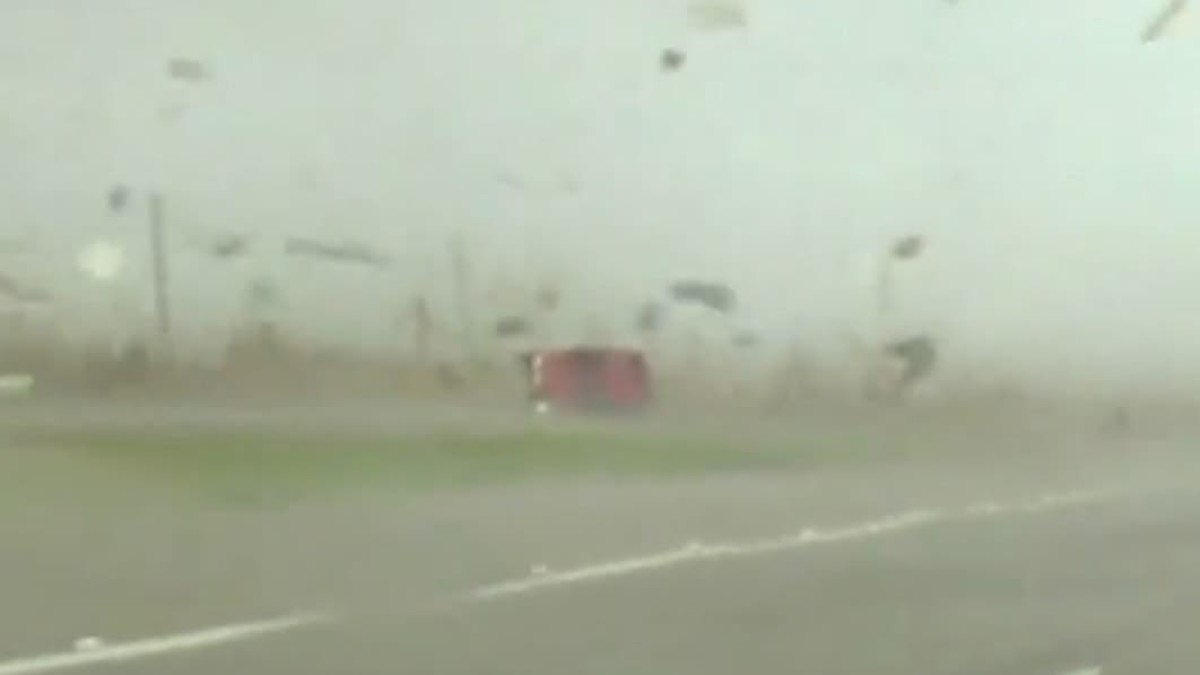
If you carry only liability insurance, you have no hail coverage. Comprehensive is the only auto policy that pays for weather damage, and insurers will not let you add it once a severe weather event is already in the forecast. The industry calls it a binding restriction, and it exists to prevent people from buying coverage the afternoon a storm arrives. If you have been meaning to add comprehensive, the window closes once these midweek systems appear in the Day 1 outlook.
For drivers who already carry comprehensive, the post-hailstorm math is straightforward. If the repair estimate is close to your deductible, skip the claim and pay out of pocket. If the damage is extensive, document everything with timestamped photos, file promptly, and know that paintless dent removal is faster and cheaper than panel replacement when the paint isn’t cracked.
The SPC updates its outlooks multiple times daily. With several days of severe weather ahead, check before every drive this week and get the vehicle under a hard roof whenever a watch is issued. Hail doesn’t negotiate.