Entrepreneurship has been synonymous with sleep deprivation for decades. Treating sleep as a weakness, CEOs and founders have worn the “founder’s grind” on their faces—showing off dark circles as badges of honor, and drawing a parallel between exhaustion and commitment. Sleep became optional in the name of business success.
I’ve worn that badge and know that grind all too well. In my roles as a founder and entrepreneur, I treated sleep as a luxury, and it wasn’t until I lost the ability to get a good night’s rest that I realized just how critical it was to my performance.
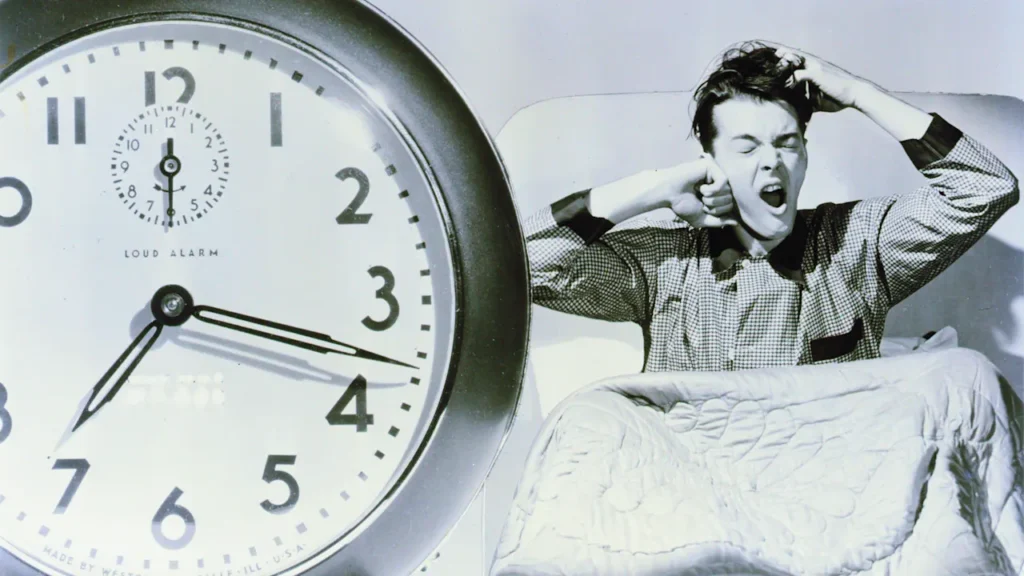
For a long stretch of my career, I woke up every morning at exactly 2:57 a.m. My eyes would open. My mind would start running. And I wouldn’t fall back asleep until well after 4:00 a.m., if at all. At the time, I was leading a company, making high-stakes decisions, managing teams, raising capital, and parenting a young child. I told myself it was just stress. What I didn’t understand then was that the most expensive mistakes I was making as a leader weren’t strategic. They were physiological. And I realized that pushing through with little sleep isn’t a sign of grit. It’s a sign of poor resource management.
Record burnout
Now it’s 2026, and burnout is at a record high. Sleep is bubbling as a leadership advantage, not necessarily because it feels good, but because it makes us smarter, calmer, and more effective. The most forward-thinking founders and executives are reframing sleep, not just as “self-care” but as infrastructure for critical decision-making, creativity, emotional regulation, and long-term resilience. In the next decade, the companies that outperform won’t be led by the most exhausted leaders, but by the ones who are truly well-rested.
Fatigue is more of a risk factor than a flex when running a business, and the “Hustle Culture” that founders and leaders cling to is costing companies more than it’s delivering. Chronic sleep deprivation impairs judgment, slows reaction time, and erodes emotional intelligence: three core capabilities that modern leaders cannot afford to sacrifice for the sake of productivity.
A founder’s perspective is their biggest asset. In high-stakes environments—whether it’s fundraising, managing teams, or planning for the future of the business — clear judgment and sharp reaction times aren’t trade-offs; they’re everything. Today’s leaders are expected to be sharper, not necessarily tougher. And as AI absorbs more of the operational and repetitive cognitive load, it’s more important than ever to set yourself apart by processing information faster, managing multiple teams and tasks seamlessly, and navigating uncertain or crowded markets with finesse.
A competitive edge
Quality sleep is the best competitive edge we can have as business leaders. Now more than ever, uniquely human skills: creativity, strategic thinking, empathy, are at a premium, all of which are directly tied to sleep quality and quantity. Those qualities don’t come from staying up late to finish work; they start the night before, during a good night’s sleep. Leaders who protect their sleep are protecting their brains and their judgment.
It starts at the top. Prioritizing sleep is a leadership signal to the rest of your company. When leaders model boundaries, recovery, and sustainable performance, it sets the tone for a healthier, more productive team. Sleep-positive leadership can help reduce burnout and turnover—two of the biggest concerns for employers today. Organizations are competing for top talent, and as younger generations prioritize well-being and work-life balance, sustainability is a critical leadership signal.
The late-night email sends a louder message than just the words inside it. It sets an expectation of blurred boundaries between work and life. Leaders set the standard for those boundaries, protect employees’ recovery time, and treat sleep as non-negotiable. Forward-thinking companies are beginning to integrate sleep education, flexible scheduling, and performance recovery into broader talent and productivity strategies. Not because it’s trendy, but because the link between sleep, mental health, and decision-making is undeniable.
Sleep isn’t just a personal habit; it’s a business strategy. In an era defined by complexity, the ability to think clearly, respond calmly, and create strategically is the ultimate advantage. And that advantage starts with a good night’s rest. As organizations navigate economic uncertainty, AI disruption, and workforce burnout, the leaders who stand out will be the ones who prioritize sleep.