We are living in a strangely apocalyptic moment where a perverse logic runs the machinery of public life while insisting everything is just fine. Around the world, political systems are tightening control over commerce, education, culture, and communication. Independent critical thinking is increasingly treated as subversive rather than a civic virtue. Public space, once the laboratory for egalitarian expression, is shrinking under surveillance, privatization, and corporate branding.
So where does socially engaged art fit into a world progressively hostile to independent thought?
There is a peculiar naïve optimism embedded in the history of social practice art. It assumes that art, when placed in the public sphere, can help communities imagine themselves differently, more equitable, more attentive, more present. For decades, artists have stepped outside the safe space of the white cube gallery to work directly with people, neighborhoods, and public life. They organized workshops, built temporary monuments, staged performances in the street, and collaborated with residents to tell stories that institutions had ignored. But the good faith that fueled these efforts is now being tested.
For much of my career as an artist, I have worked across performance, public art, installation, and social practice, experimenting with communication in civic space. My projects often employ humor, irony, subtle détournement, and a bold visual language to encourage reflection on the indoctrinated social and political dynamics embedded in everyday public environments.
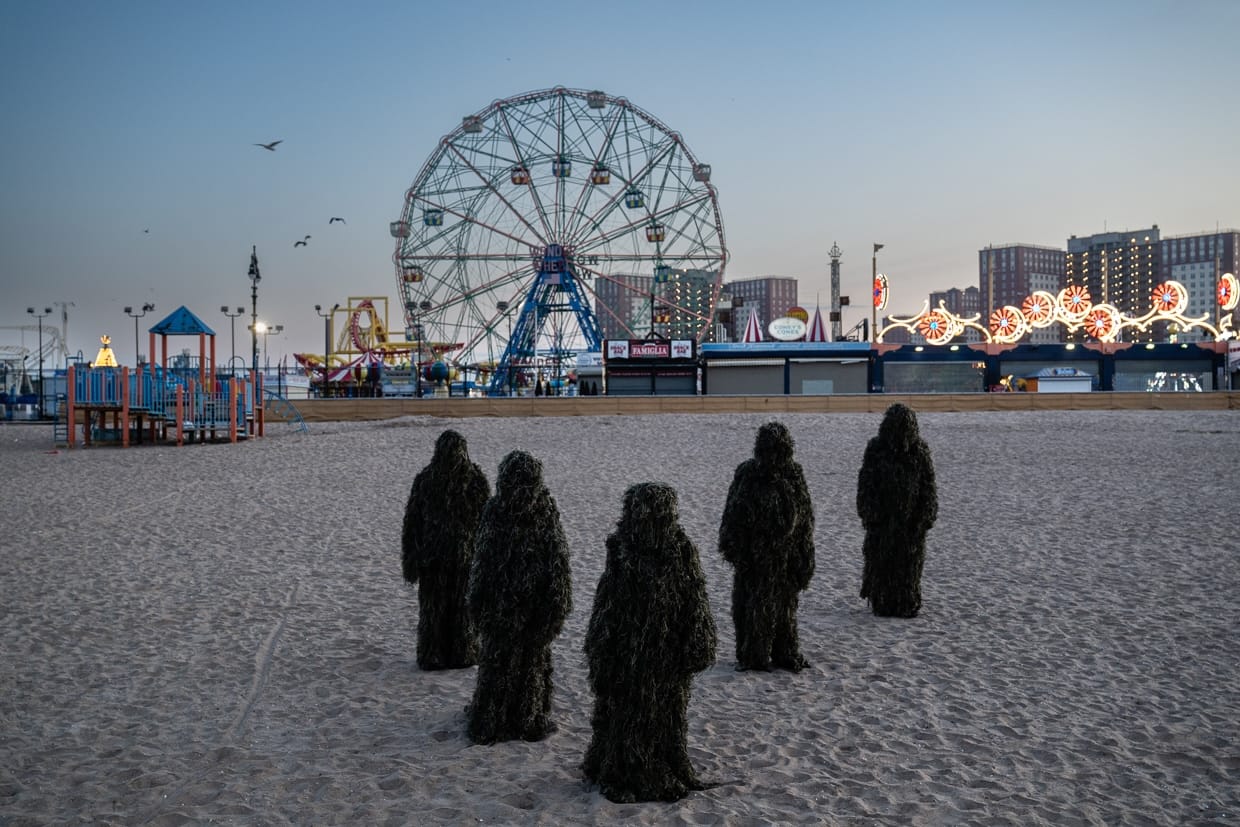
This work grew out of a long history of DIY art ventures, community engagement, mentorship of young artists, and independent public art initiatives that operate outside traditional institutional structures. These projects are often improvised and collaborative – less about polished programming and more about creating temporary platforms where artists and communities can think together in public.
In 2005, I founded Art in Odd Places, a public art initiative created in response to the erosion of accessible public space and personal civil liberties. Rather than placing art safely inside institutions, the project invited artists to intervene directly in the civic environment along New York City’s 14th Street corridor. Artists staged performances on sidewalks, built installations in storefronts, and created participatory encounters in subway entrances and unexpected urban corners.
But over time, something troubling began to emerge. As socially engaged art gained visibility, its language and strategies also became useful to the very systems it once sought to challenge. Developers discovered the cultural value of place-making. Corporations embraced art as branding. Cultural nonprofits and academic institutions increasingly adopted the vocabulary of community engagement while operating within the same economic structures driving displacement.
I encountered this dynamic first-hand during a 2016 residency in Macon, Georgia, with Chicago-based artist Samantha Hill at The Mill Hill Visiting Social Practice Artist Residency in the historic Fort Hawkins neighborhood in East Macon near Ocmulgee Mounds National Historical Park. The residency was organized through the Macon Arts Alliance in partnership with the Macon-Bibb County Urban Development Authority. On paper, the project reflected the familiar language of social practice: community engagement, cultural dialogue, neighborhood revitalization. But the reality on the ground told a different story. The neighborhood was a historically Black community with deep roots and generations of longtime residents. The arts initiative was framed as a way to bring creative energy into the area. Yet the organization overseeing the residency was governed by an all-white board composed largely of developers, construction companies, and an architectural firm with close ties to the organization’s leadership. The long-term vision being quietly advanced was the creation of an arts village, a redevelopment corridor connecting downtown Macon to Ocmulgee Mounds. Artists were invited to help “activate” the neighborhood – a word that, in this case, functioned less as an artistic ambition and more as a soft introduction to displacement. For residents, the message quickly became clear. Engagement was not the goal. Transition was.
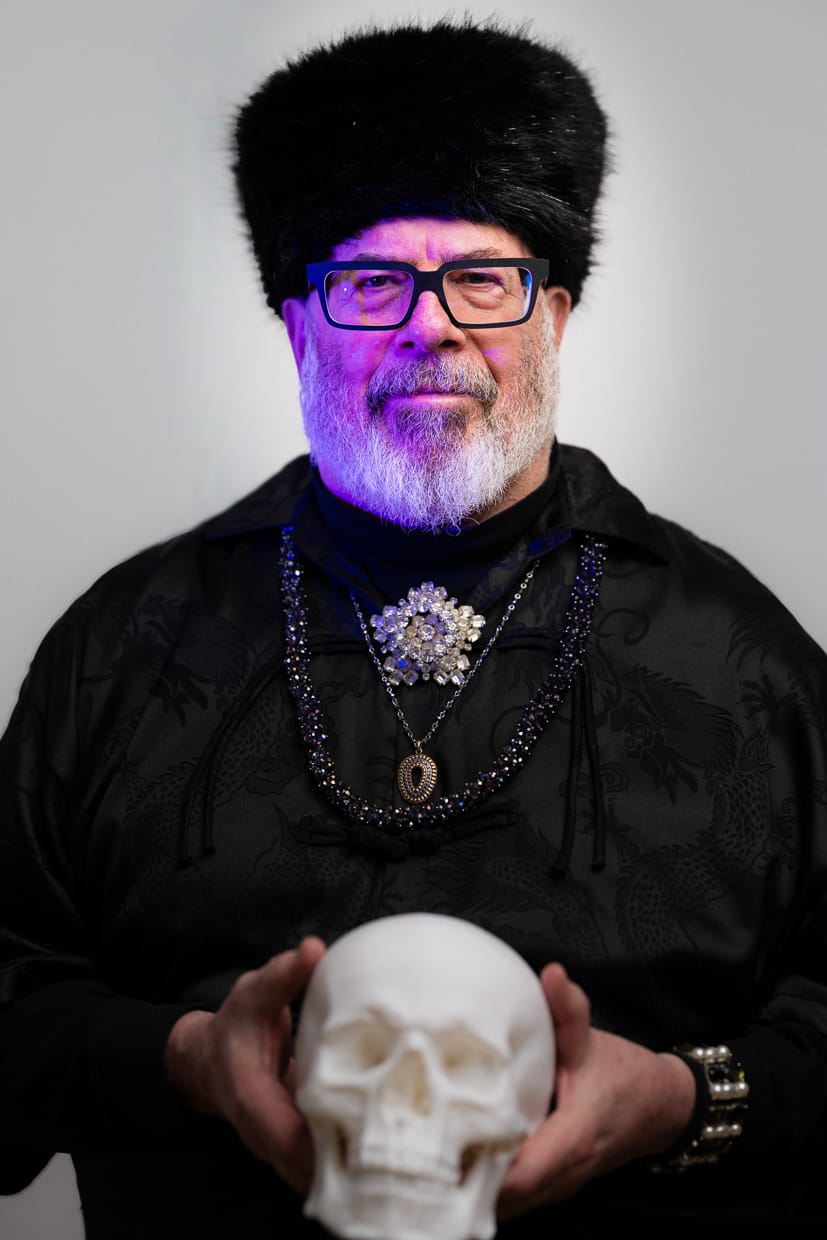
In this context, art was not being used to empower the community but to soften the optics of redevelopment. Artists became cultural placeholders – helping rebrand a neighborhood while the conditions for removing the people who lived there were quietly assembled. Experiences like this forced a difficult question: What happens when the language of social practice becomes a tool of the very systems it once hoped to challenge?
In response to this situation, I developed Social Malpractice Art, a workshop at the School of Visual Arts that examines how socially engaged art is both managed effectively and exploited in contemporary culture.
Originally, Social Malpractice functioned as a warning system. The workshop helped artists recognize the subtle ways cultural production can be instrumentalized: how corporations sponsor cultural events to improve their image, how developers employ artists as place-makers to soften the advance of redevelopment, and how nonprofit organizations sometimes reproduce the same economic forces they claim to challenge.
Participants studied examples of artists and activist groups who have confronted these dynamics head-on, from Boyle Heights Alliance Against Artwashing and Displacement to Chinatown Art Brigade, and from Guerrilla Girls to The Yes Men. Each demonstrates how creative strategies of satire, détournement, and infiltration can expose the contradictions embedded in cultural institutions.
But as the political climate has grown darker, the workshop has evolved.
Social Malpractice now operates partly as a speculative think tank exploring a hypothetical future in which independent cultural expression is tightly regulated. Within this imagined world, all artistic activity falls under the supervision of a fictional state body known as the Ministry of Cultural Harmony, an agency responsible for monitoring and approving all cultural production according to an official manual of directives.
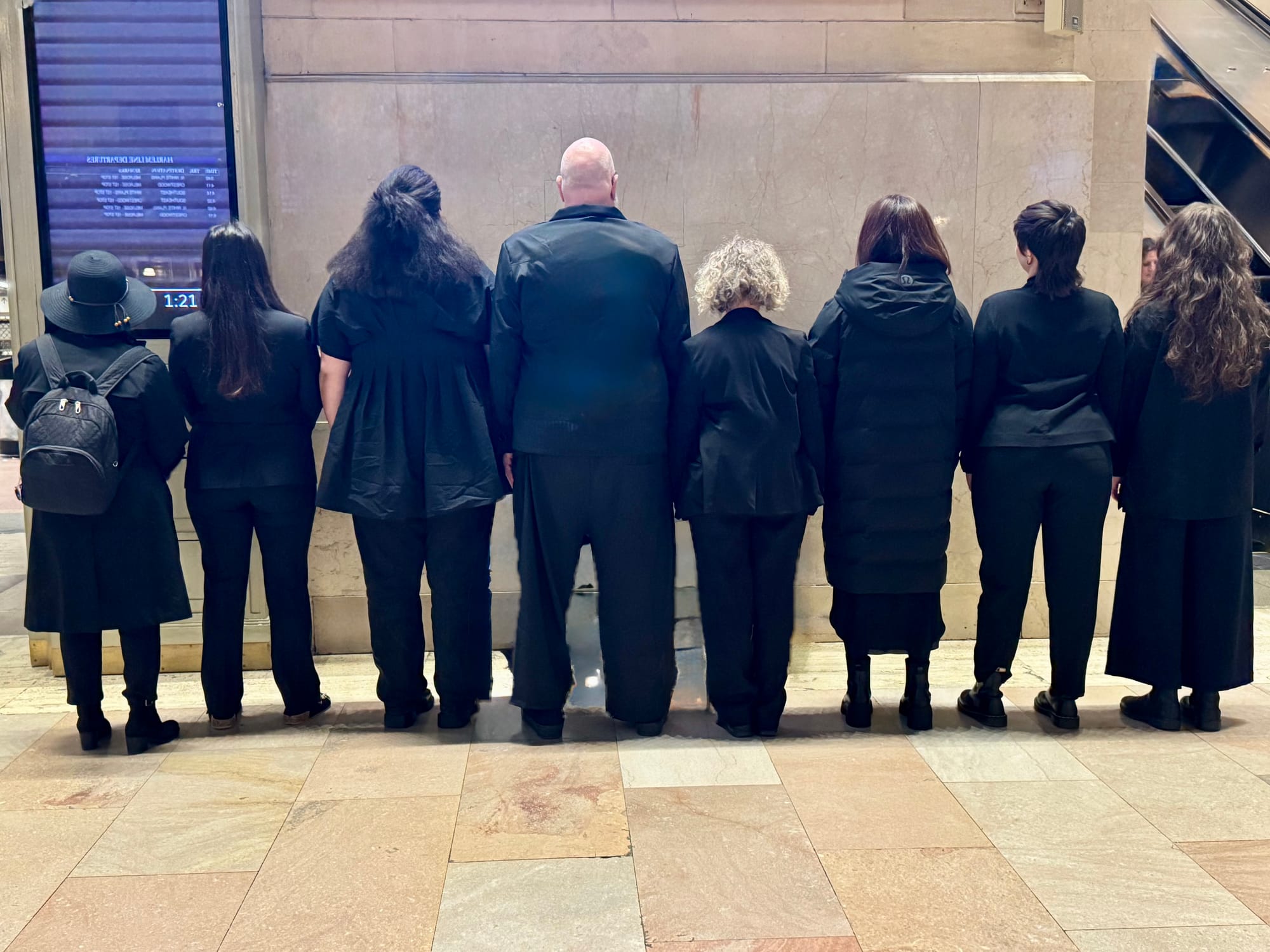
Inside the workshop, participants begin as volunteer informants learning the protocols of this imagined ministry. They study the rules of cultural compliance, the language of acceptable expression, and the mechanisms through which culture becomes regulated and obedient. But this training has a second ulterior phase.
Once participants understand the machinery of control, they defect. Armed with the ministry’s own rulebook, the informants convert into members of a covert network known as the Invisible Art Union, an underground collective experimenting with ways to circulate art outside official channels. Participants develop strategies for camouflage, coded communication, fleeting gestures, and temporary interventions designed to slip quietly through systems of oversight. The premise is simple but stubbornly optimistic: creativity cannot be outlawed.
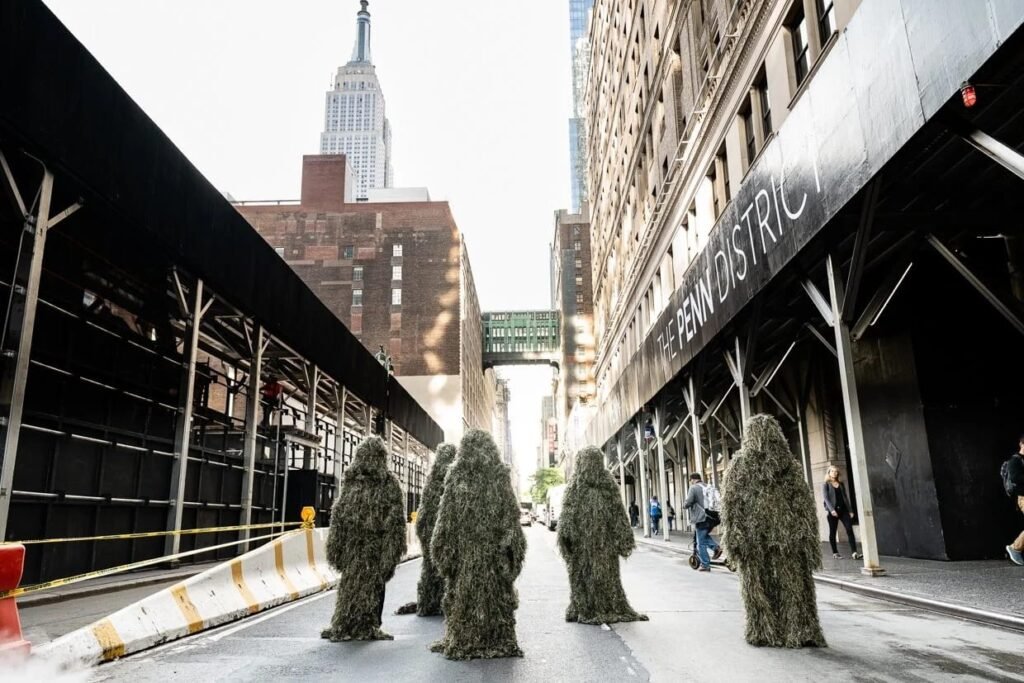
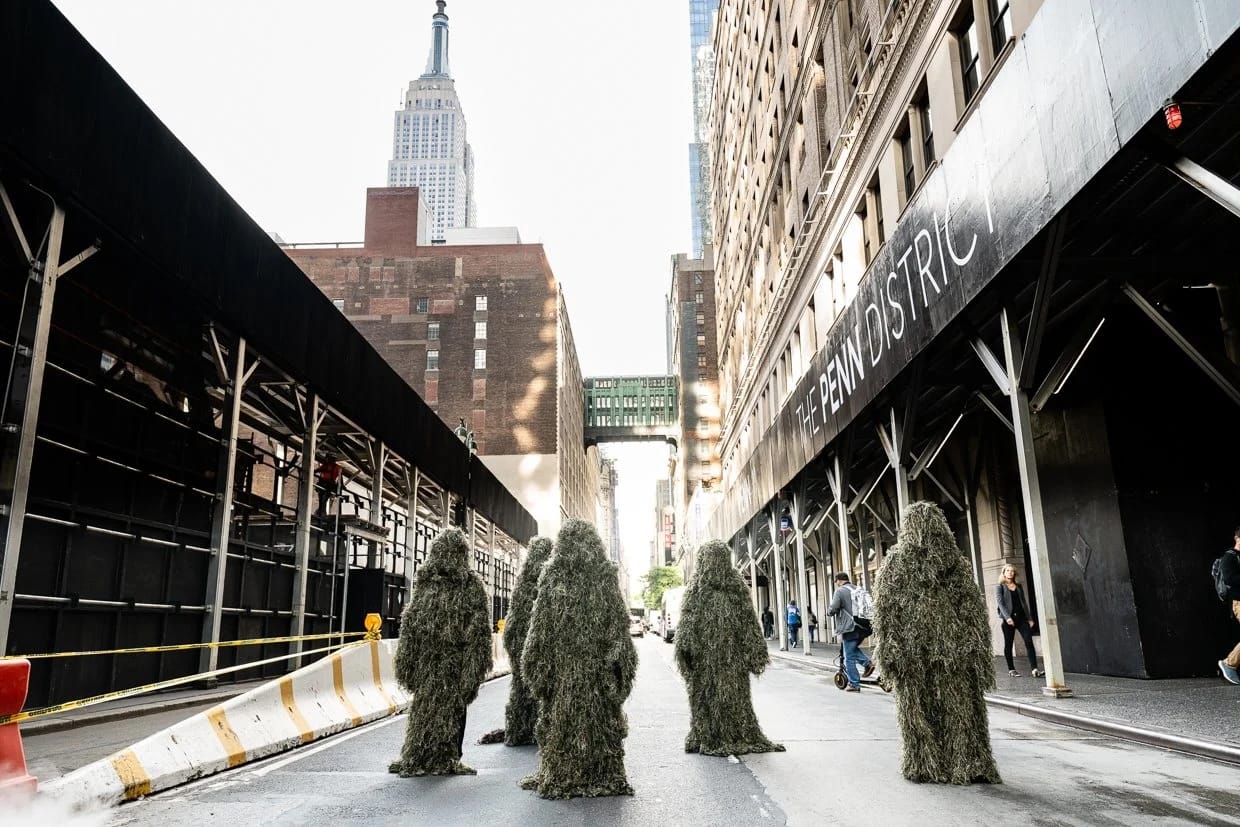
Student projects operate as small acts of cultural misdirection. Participants have produced unauthored tracts and illustrated leaflets that mimic and strategically destabilize the visual language of nationalist propaganda, distributed freely or slipped into circulation at sites like Grand Central Terminal during peak public flow. Others have embedded camouflaged artworks into the urban landscape or inscribed subversive phrases onto sidewalks using water. These messages surface, linger briefly, and vanish without evidence.
Additional projects draw on coded systems of communication: participants have developed symbolic languages inspired by hobo sign iconography and created minimalist semaphore gestures that function as a visual telegraph across distances. In the workshop, each participant contributes an instructional page to an evolving manual for the Invisible Art Union: a growing field guide for slipping art through the cracks of oversight and into the bloodstream of civic life.
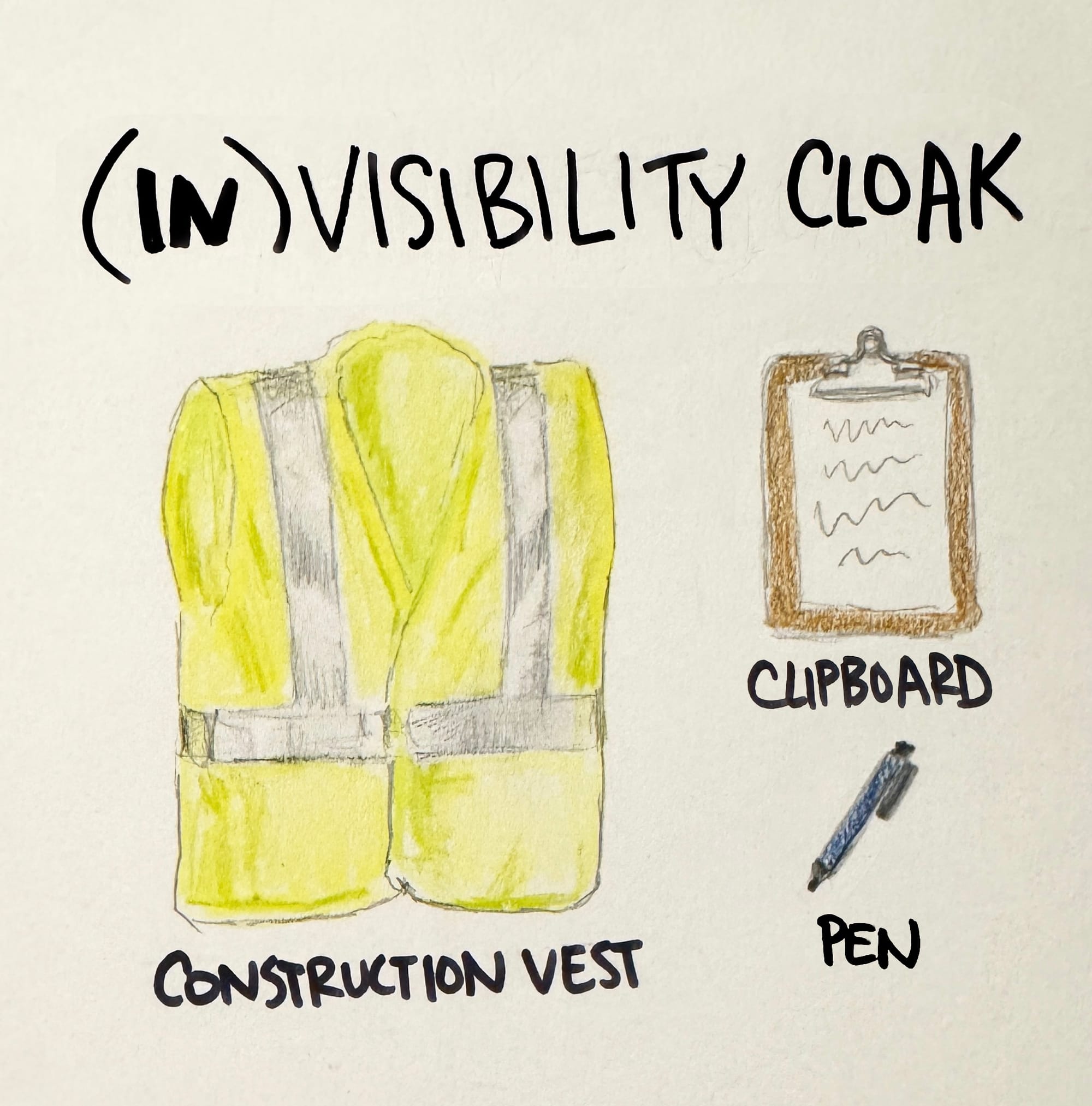
Even under conditions of cultural control, art finds ways to move — through whispers, symbols, temporary alliances, and moments of shared recognition in public space. In this sense, Social Malpractice is less a prediction than a rehearsal: a way of preparing artists to imagine how creative expression might survive if the civic freedoms we often take for granted begin to disappear.
If that future feels even remotely plausible, artists must begin asking difficult questions about the structures that support their work. Who benefits from the presence of art in a neighborhood? Who is invited to participate, and who is quietly pushed out and erased? And perhaps most importantly: what happens to art when power begins to fear independent imagination and organizational critique?
The answer does not lie in celebrity influencer enterprises or authorized polished programming. It lives in small strategic gestures. Temporary clandestine alliances. Improvised underground cultural networks operating far outside the spotlight. In the coming years, artists may return to the oldest artistic tradition of all: making free, transformative work together. Quietly. Strategically. Without permission. And when the system insists it never happened, the work will already be out in the world doing what art has always done: opening minds, building unlikely solidarities, and reminding us that imagination cannot be regulated.