An electric Ram 1500 is no longer coming
In a new statement, Stellantis, the parent company of storied American car brands including Chrysler, Dodge, Jeep, and Ram Trucks, says that it will indefinitely cease development and plans to introduce an all-electric Ram 1500 pickup truck to market. The automaker cites that the decision was made due to slowing demand for such a product in North America and that its range-extended Ram 1500 Ramcharger will be blessed with a new name to lead the brand’s electrified charge.
Stellantis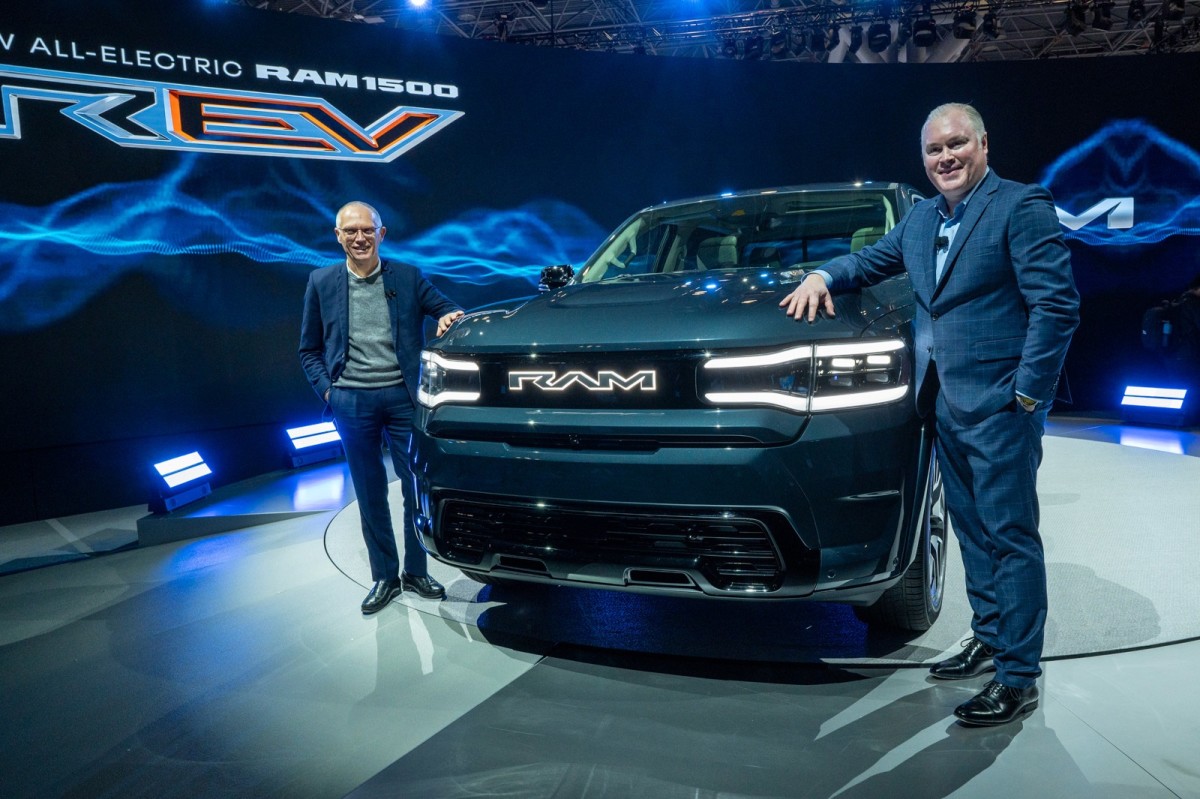
“As demand for full-size battery electric trucks slows in North America, Stellantis is reassessing its product strategy and will discontinue development of a full-size BEV pickup,” the automaker said in a statement on September 12. “As part of this, Ram is renaming its REEV [Range Extended Electric Vehicle]-powered pickup to Ram 1500 REV (formerly Ramcharger). This vehicle will set a new benchmark in the half-ton segment, offering exceptional range, towing capability, and payload performance.”
The EV Ram had suffered delays since its 2023 introduction
The all-electric Ram was planned to launch in the first half of 2025, but delays related to the health of the electric pickup truck market and Stellantis’s corporate shakeup have plagued the former product’s viability.
In a statement on December 18, 2024, Stellantis announced that it had made the decision to pull the launch timing of the range-extended model ahead of the EV, citing “overwhelming consumer interest, maintaining a competitive advantage in the technology, and slowing industry demand for half-ton BEV pickups.”
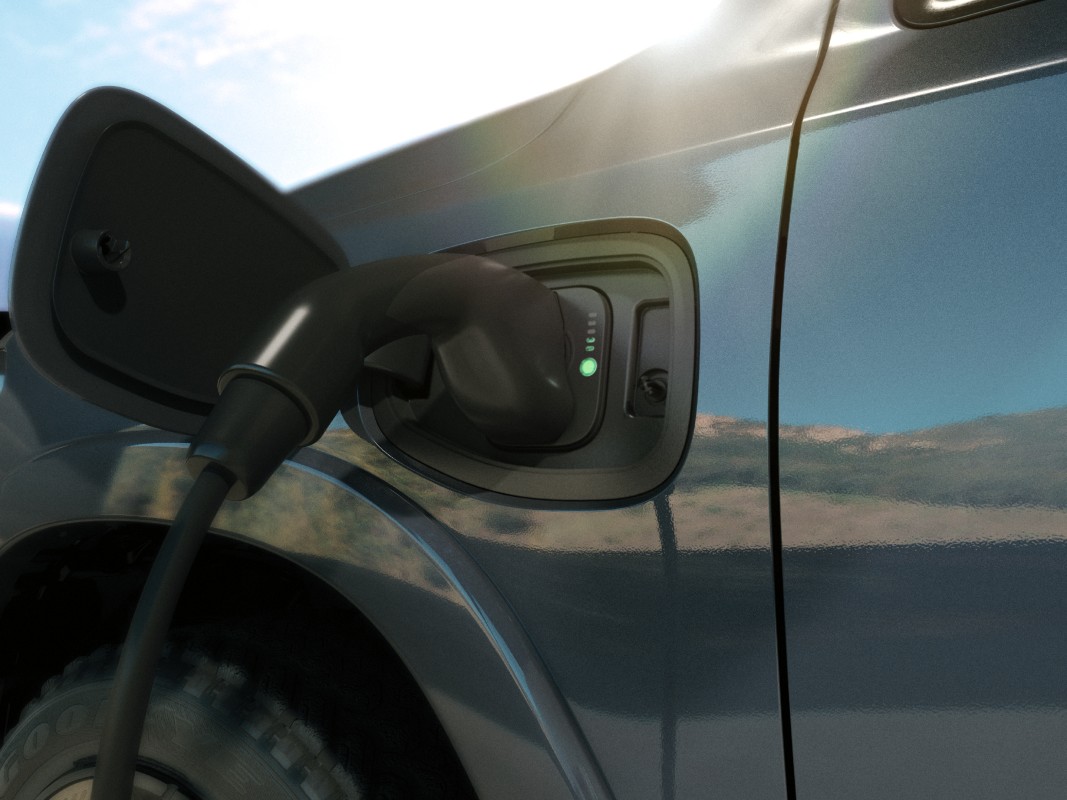
Following announcements the year before, the all-electric Ram 1500 BEV (then known as the Ram 1500 REV) was introduced at the 2023 New York International Auto Show as a marquee vehicle planned as part of Stellantis’s Dare Forward 2030 electrification strategy; a plan which also produced the revamped Dodge Charger EV.
Built using the conglomerate’s versatile STLA Frame body-on-frame platform, the electric machine would have been Ram’s answer to domestic electric pickup rivals like the Ford F-150 Lightning and the Chevy Silverado EV.
At its introduction, Ram planned to offer the EV with a whole host of configurations, including the choice of either a standard 168 kWh battery pack with a targeted range of up to 350 miles or a 229 kWh variant with a targeted range of up to 500 miles. In addition, Ram touted a payload capacity of up to 2,700 lbs and a towing capacity of 14,000 lbs, as well as premium features like a 23-speaker Klipsch audio system in its top-of-the-line Tungsten configuration.
Enter the Ramcharger
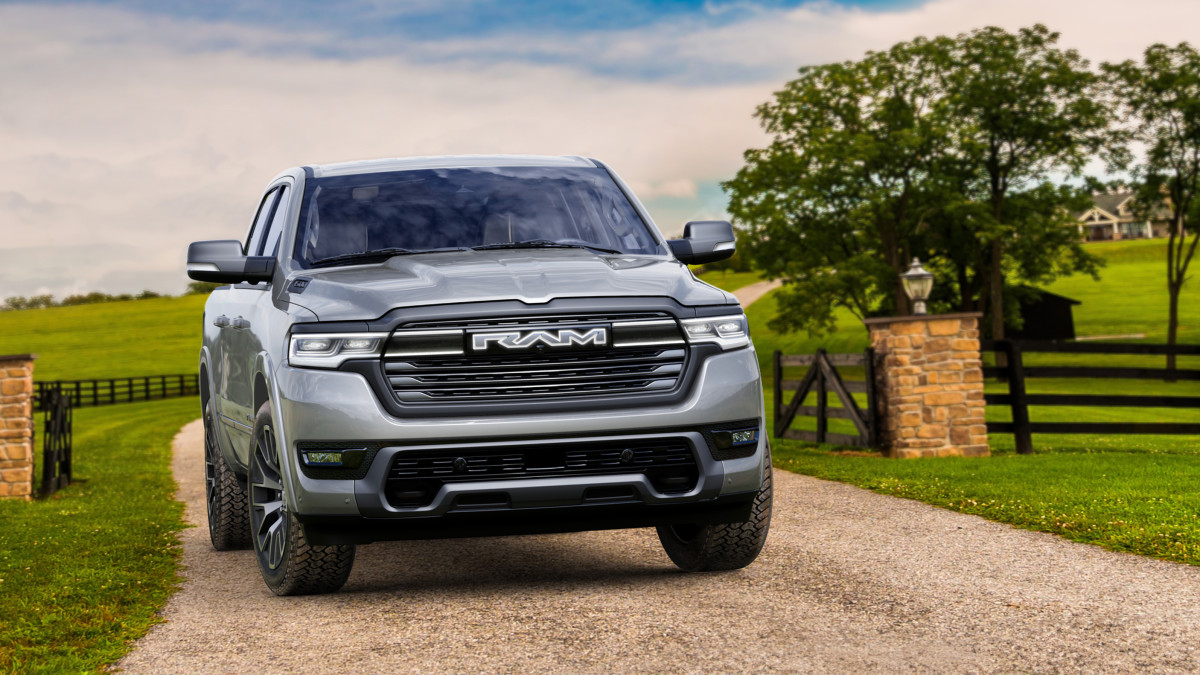
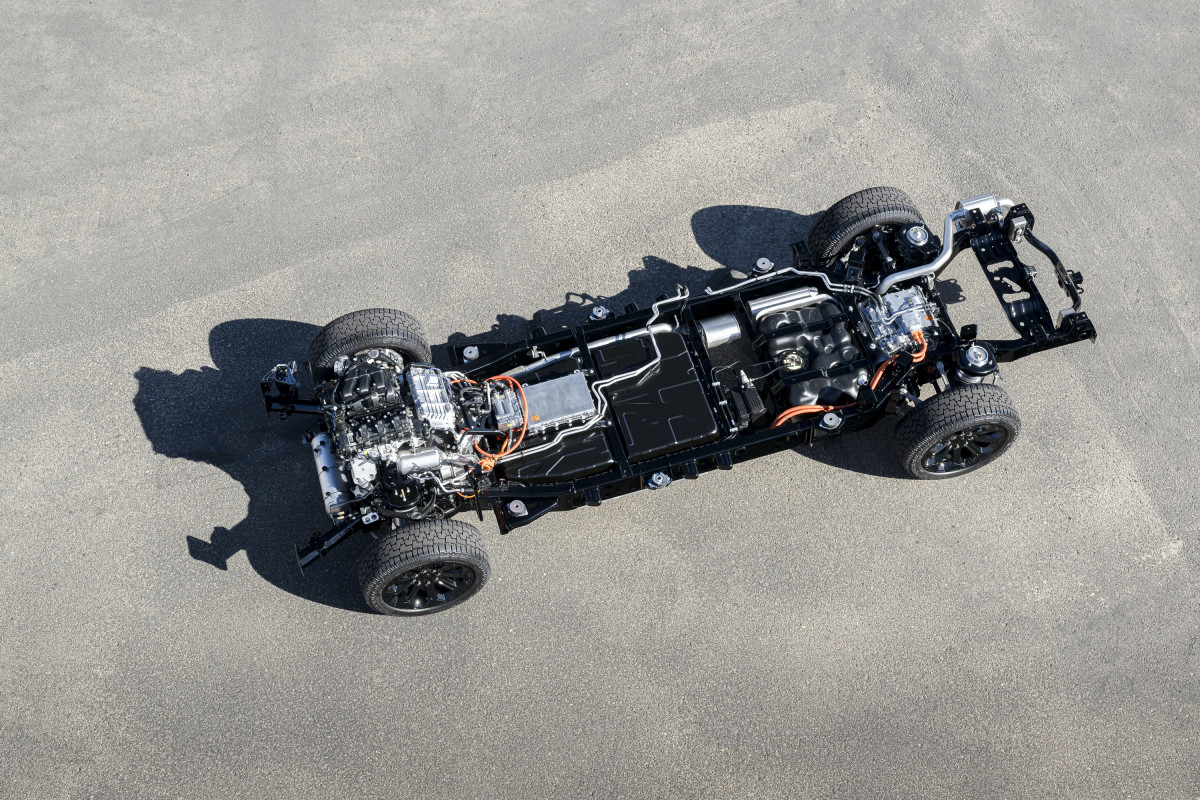
In November 2023, Ram’s electrified path became slightly muddy as it introduced the Ram 1500 Ramcharger (currently known as the Ram 1500 REV), an extended-range electric vehicle. Combining a 3.6-liter V6 Pentastar engine with an EV battery pack, the REV works like a diesel-hybrid locomotive. The Pentastar under the hood isn’t connected to the wheels; it acts solely as a generator for the batteries and kicks on whenever it needs to charge.
In theory, the REV acts like a gas truck and less like an EV, though it can be charged in the traditional way through a plug. Nonetheless, Ram states that the REV can achieve up to 690 miles of range once the gas tank and battery run completely empty.
Final thoughts
Currently, Ram’s website states that the “projected availability” of the RAM 1500 REV (formerly known as Ramcharger) is in 2026. According to sales figures seen by Ford Authority, the Ford F-150 Lightning has outsold the Tesla Cybertruck, Chevy’s Silverado EV, and GMC’s Sierra EV in Q2 2025, though it’s not to say that the electric pickup truck market is bearing as much fruit ahead of federal tax incentives departing at the end of September 2025.
At this point, it shouldn’t be surprising to see automakers take a more conservative approach to electrification or even powertrain downsizing in light of recent emissions policy changes and customer sentiment. After all, Stellantis and Ram brought back the Hemi for a reason; the announcement alone was enough to prompt buyers to swarm dealers like a new iPhone had just come out.