Tariffs and Their Aftermath
Due to import tariffs imposed by the Trump administration, Stellantis moved production of the next-generation Compass from Canada to Illinois. The shift led to the Brampton plant being idled, leaving thousands of workers in limbo and sparking backlash in Canada.
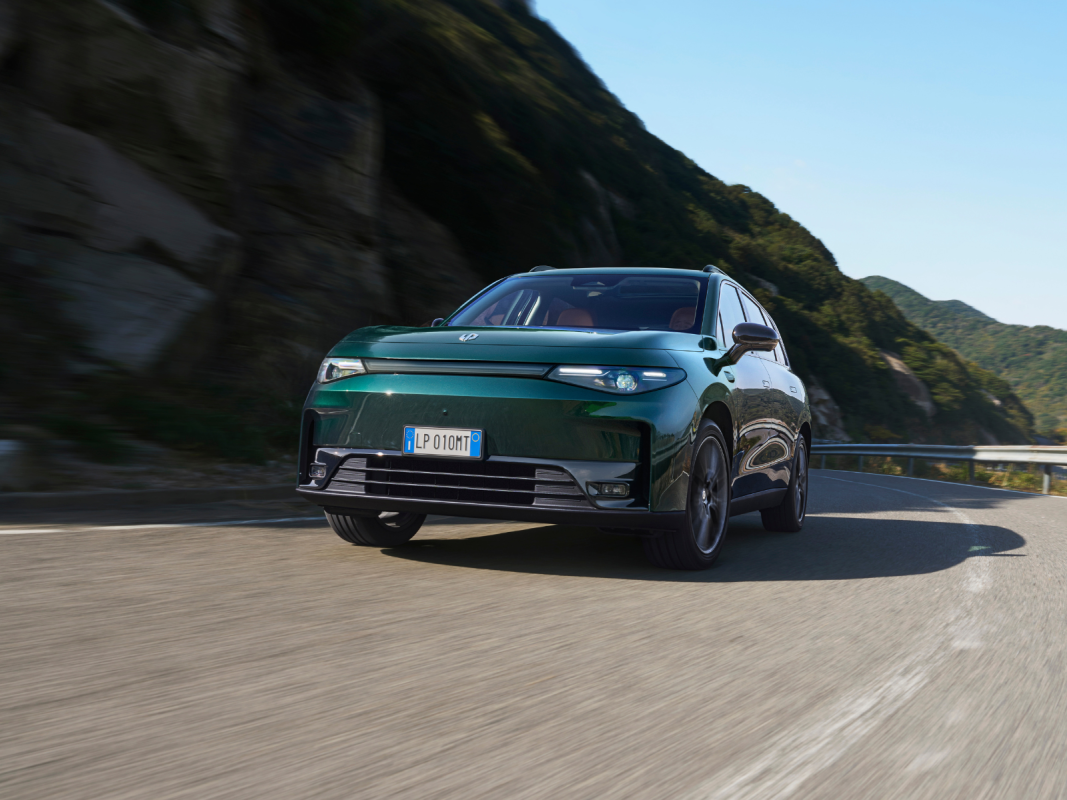
Bloomberg, citing unnamed sources, reports that Stellantis is now considering using the idled plant to build Chinese electric vehicles with Leapmotor, in which it holds an approximately 20 percent stake. The move follows Canada’s decision to allow Chinese EV imports into the country, at least for an initial 49,000 units at lower tariff rates – a policy the U.S. criticized and warned could trigger tariffs on Canada of up to 100 percent.
Where Things Get Tricky
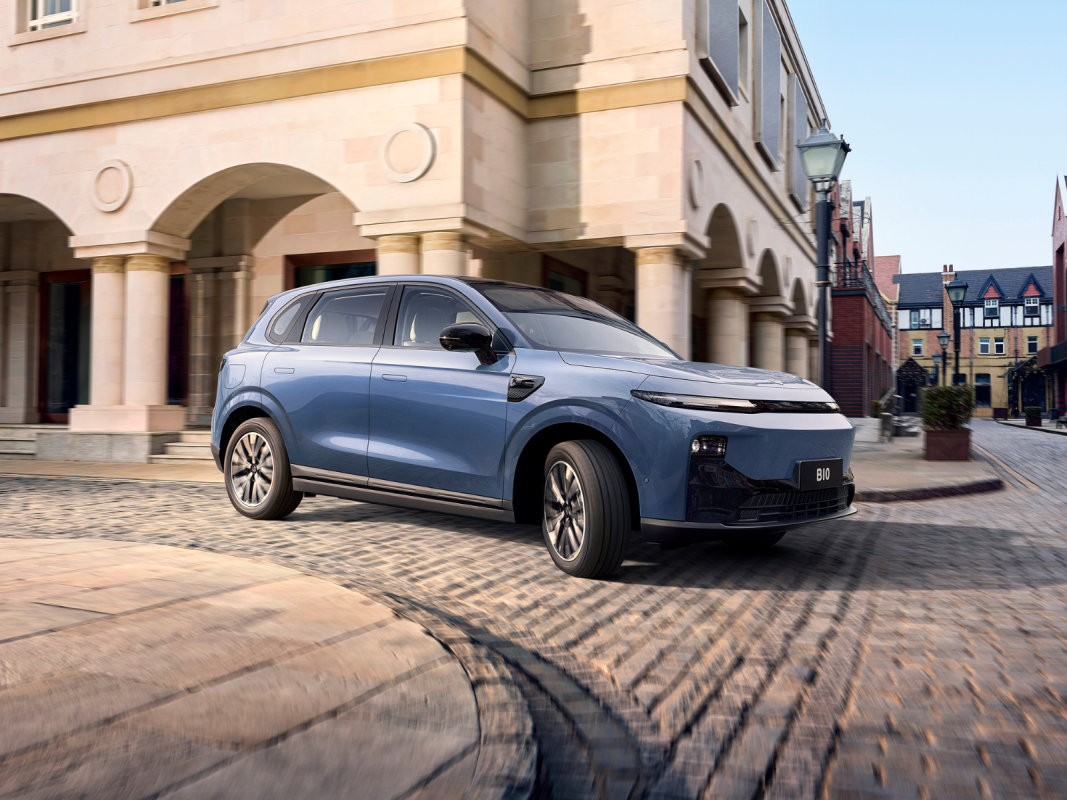
However, the situation is far more complicated. The proposal has raised employment concerns, particularly because it reportedly involves knock-down kits. In simple terms, these are Leapmotor EVs that are largely built in China before being imported for final assembly. That kind of setup would create only minimal local jobs while also reducing the need for Canadian suppliers.
No official agreement has been reached yet, but Stellantis said it is continuing to explore ways to reinforce its presence in Canada.
“Stellantis remains focused on a strong Canadian footprint and is actively evaluating future programs for Brampton, with the objective to ensure that any investment decision is sustainable and a long-term commitment that supports workers and suppliers,” LouAnn Gosselin, Stellantis’ North America spokesperson, said in an emailed statement.
EV Push Moves Forward
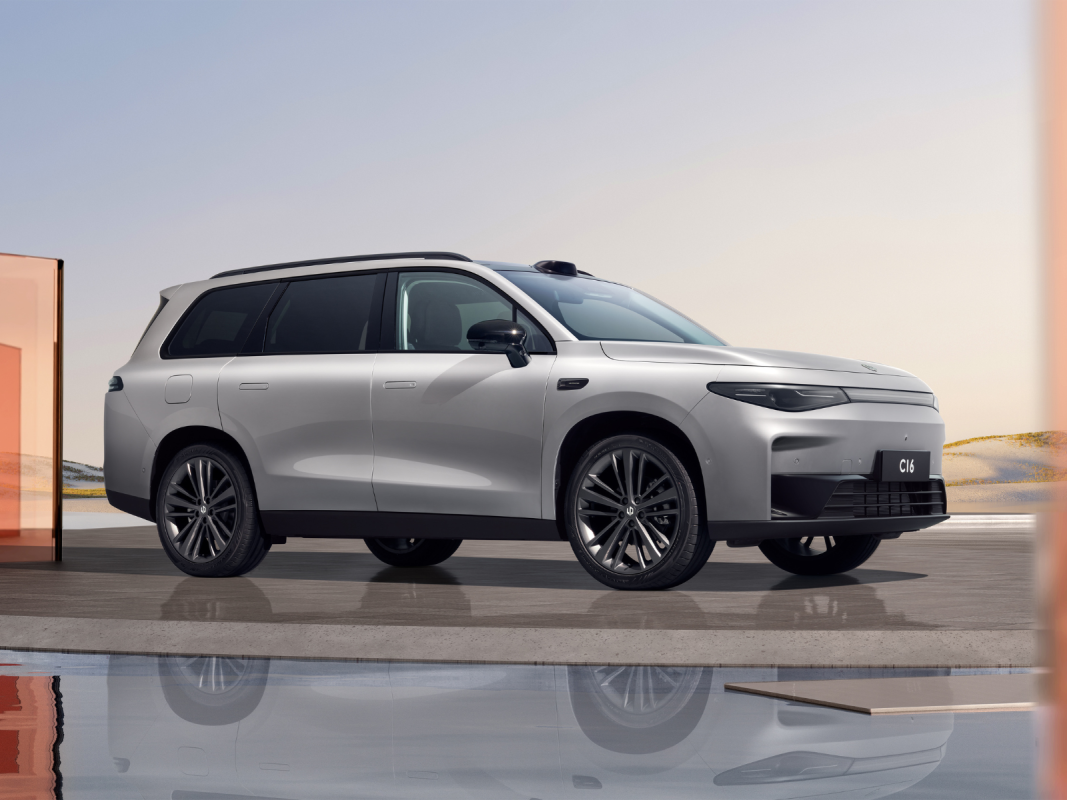
While Stellantis remains in talks over plans for the Brampton plant, the automaker is also preparing to launch three electrified crossover models in Mexico: the compact B10, midsize C10, and full-size C16. These vehicles are expected to undercut several EVs from legacy brands, potentially giving consumers more choices but increasing pressure on automakers to adapt to remain competitive.
Chinese automakers such as BYD and Geely are also planning to enter the Canadian market following the country’s relaxation of barriers to entry.
Their growing presence in North America, however, continues to face opposition from the United States. U.S. Ambassador to Canada Pete Hoekstra recently said Chinese EVs would not be allowed to cross the border, though it remains unclear whether he meant they would be barred from being sold in the U.S. or from physically entering the country at all. Among the concerns cited are data privacy and cybersecurity risks, particularly because connected vehicles can collect and transmit data.