Frustration Behind The Wheel Reaches Peak Levels
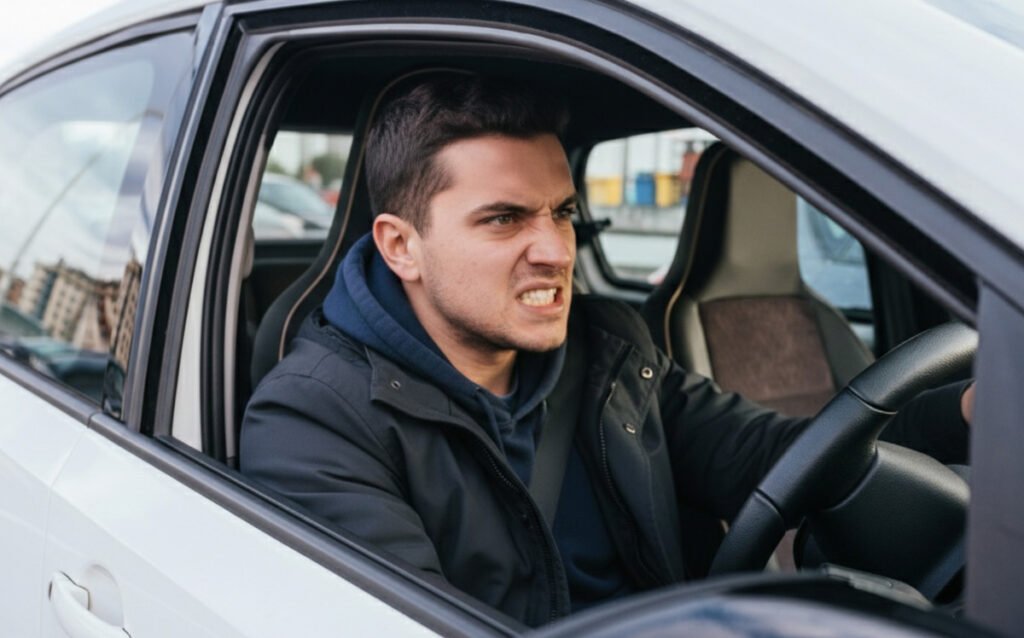
Most motorists are frustrated with what they encounter on the roads every day. A recent study analyzed driver behavior in 40 cities across America and found that most motorists believe improvement is needed in the overall quality of driving habits exhibited by others. But, crucially, there appears to be a lack of self-awareness regarding how individual contributions may be creating the frustration felt daily by millions of drivers across the country.
Copyright 2014 Seyth Miersma / AOL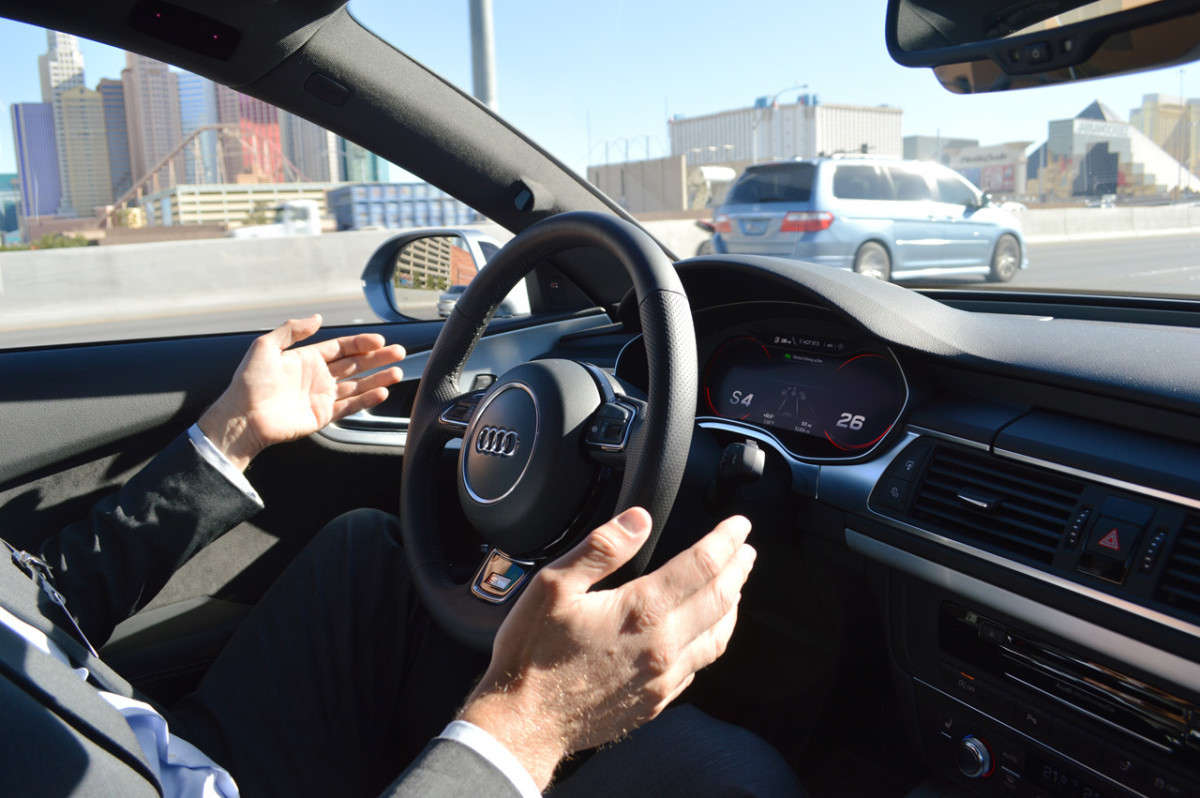
Miami Takes the Crown for Most Irritating Motorists
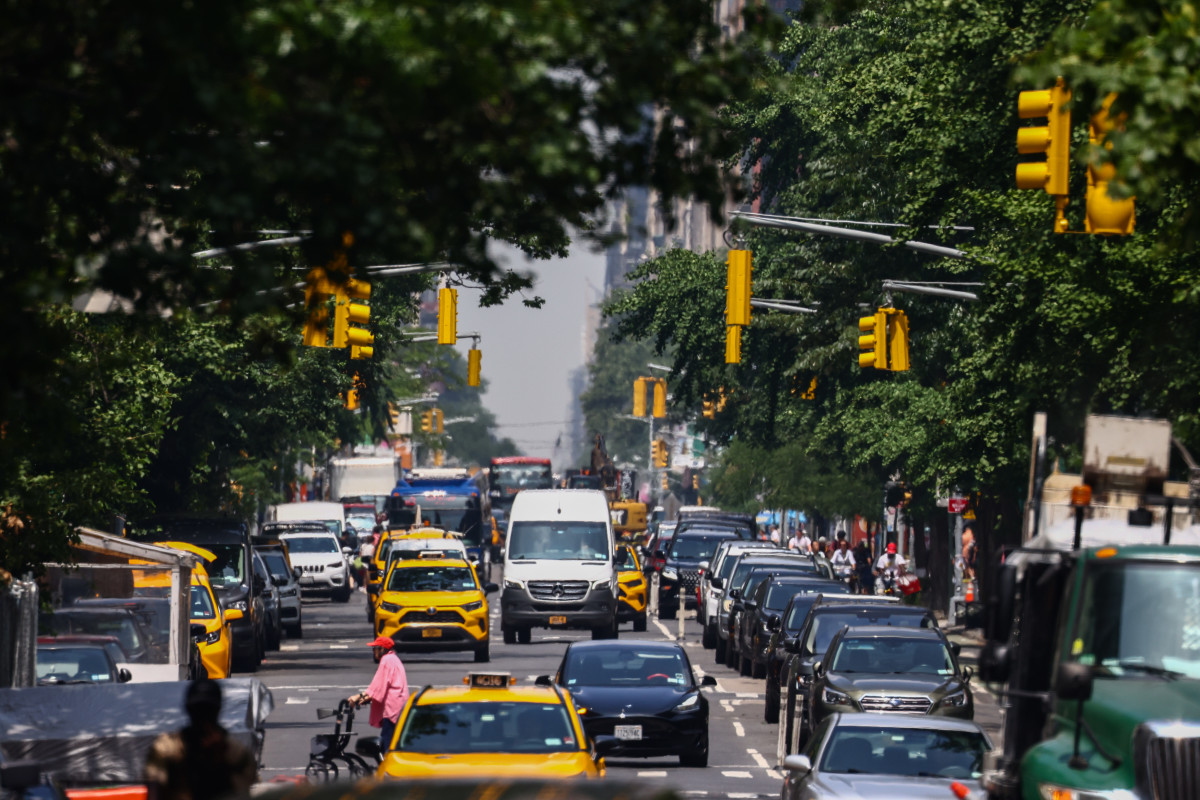
In evaluating cities with the worst driving behavior, Miami clearly leads the list with consistent and alarming levels of problematic habits. Approximately 86% of Miami residents report that they find local motorists to be extremely annoying. In addition to ranking first in problem behaviors, including aggressive actions, discourteous conduct, and entitled behavior when operating a vehicle, Miami was consistently identified as having the highest incidence of these issues among all 40 cities evaluated.
Las Vegas is next on the list, with residents identifying problems including phone use while driving, excessive speeding, and illegal U-turns. Nashville completed the top three cities with the most egregious driving behaviors. Specifically, Nashville recorded a high number of distractions, such as failing to turn on headlights in poor conditions and leaving high beams on.
Among all cities surveyed, Philadelphia had the greatest number of aggressive behaviors associated with driving. These included motorists making rude hand gestures and documented cases of drivers exiting their vehicles to verbally confront others. Sacramento also showed a significant problem with rudeness, including frequent instances of littering from automobiles.
The Behaviors That Trigger Road Rage
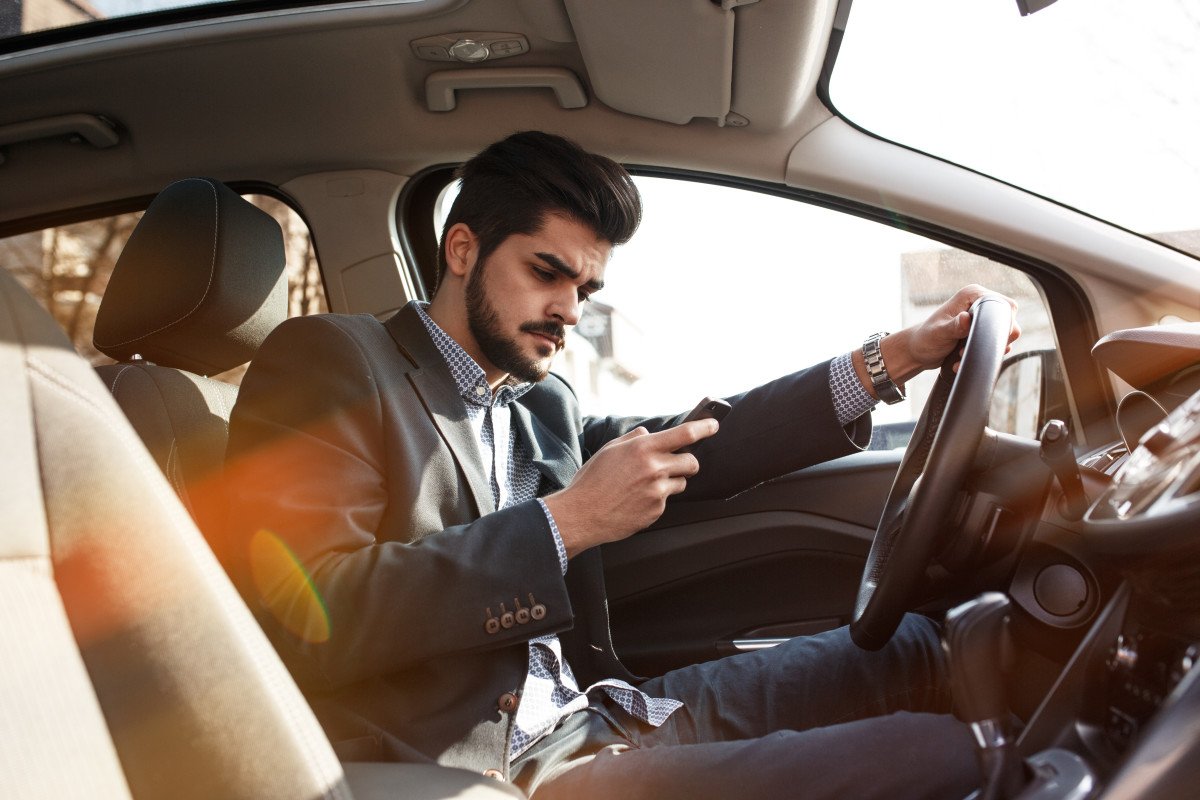
According to the study, the most common trigger for road rage is motorists using their phones while driving, observed by 81% of respondents. Changing lanes without signaling followed at 78%, and tailgating at 71%. Seventy percent reported witnessing excessive speeding on major roads.
A notable disparity exists between what motorists observe and what they admit doing. Forty-two percent admitted to speeding on highways, and 49% acknowledged using their phones while driving. Twenty-four percent admitted to rolling through stop signs rather than coming to a complete stop.
Growing Interest in Protective Measures
Interest in protective measures is increasing. Seventeen percent of motorists now use dashboard cameras, and 35% plan to purchase one. This trend reflects growing concern about documenting incidents and protecting against liability at a time when courteous driving appears to be increasingly rare on American roadways.