A Five-Cylinder Tradition
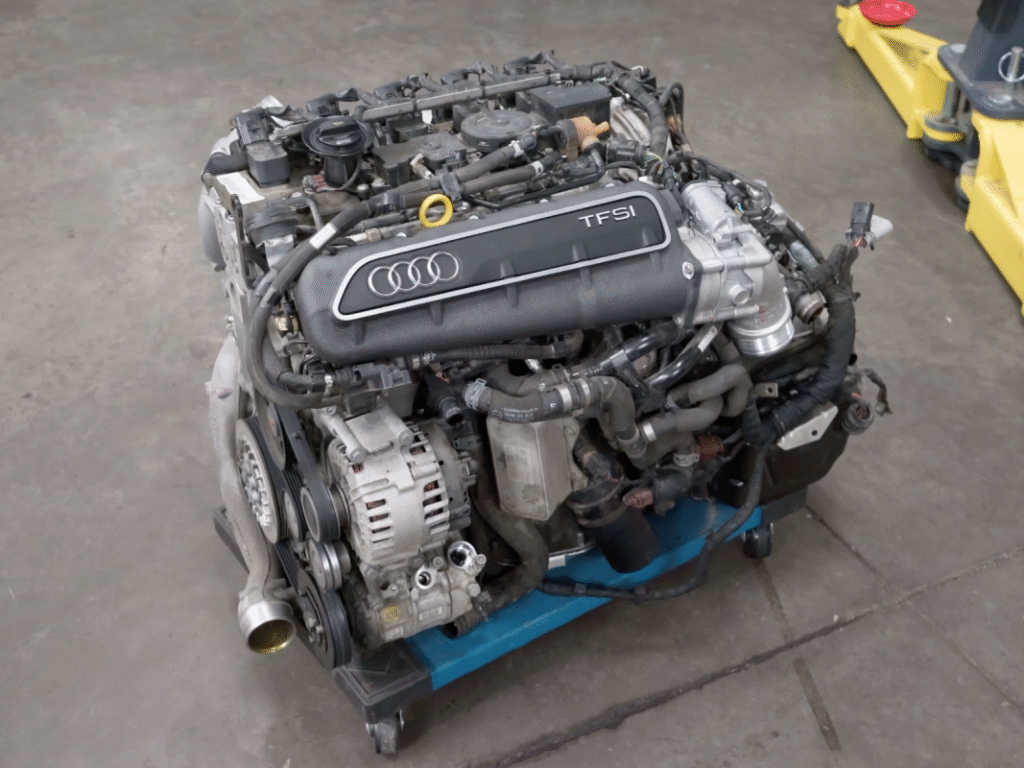
Audi has long been involved in motorsports, with its latest major push coming in Formula 1. But one of its most significant chapters dates back to early rally racing, where the automaker championed key innovations such as the Quattro all-wheel-drive system and a turbocharged five-cylinder engine. That distinctive layout has endured over the years, and one modern iteration is the 2.5-liter turbocharged DAZA engine pulled from a 2017 Audi RS3.
Deutsche Auto Parts obtained the engine to assess how well it holds up after more than 140,000 miles. According to the shop, cars equipped with the 2.5T engine are not usually driven long enough to reveal their long-term reliability, as some end up as garage queens while others are heavily abused at the track. This teardown not only highlighted potential issues owners may encounter with the engine but also served another purpose: one builder was hoping to install drop-in pistons, if still in good shape, for his TT RS build.
What 140K Miles Looks Like
For high-mileage engines, leaks are almost inevitable, but this one had none. However, the shop noted that the most common failures on this engine include water pump issues, turbo failure at high mileage, and leaks from the front crank seal. Fortunately, none of those problems showed up during the teardown.
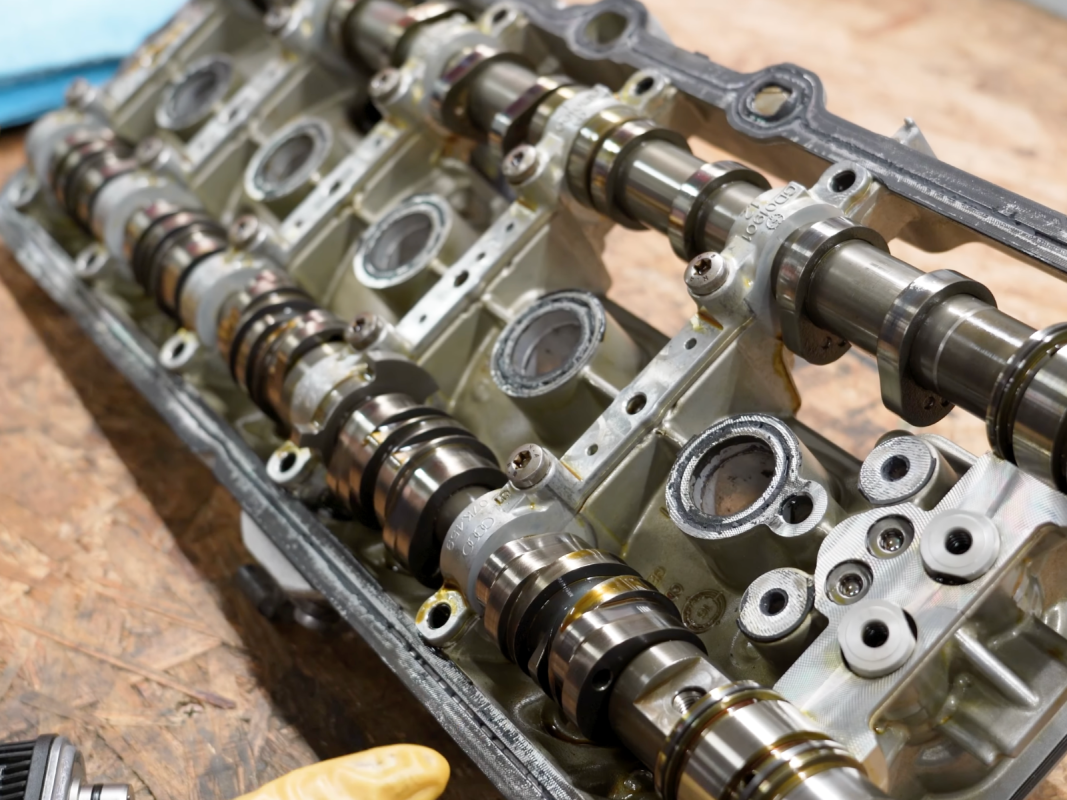
What they did find instead was that the upper plastic timing guide was missing a piece. Catching the issue early was important because if it breaks apart completely, the chain could make metal-to-metal contact and throw off the engine’s timing. They also found moderate carbon buildup on the intake valves, while the intake cam lobes showed signs of wear. The cams may already be due for replacement, but the shop was on the fence because of the cost and suggested waiting until they actually fail.
Effects of E85 on Oil
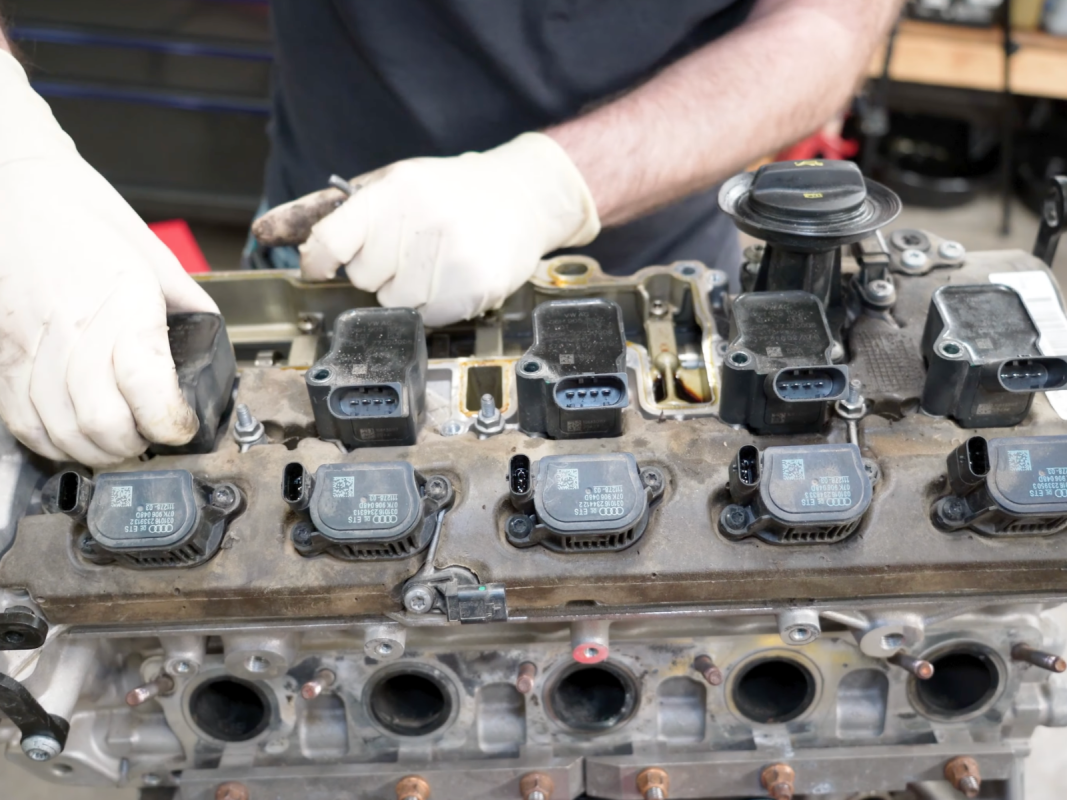
The biggest concern was the oil, which smelled bad and had also turned sticky in the oil pan. According to Deutsche Auto Parts, this was likely due to E85 fuel use, a common choice for performance applications. The shop explained that because E85 contains ethanol, it can accelerate oil breakdown, adding that owners should cut their oil change interval in half to help avoid such issues.
Overall, though, the engine was still considered “solid” at 140,000 miles.
While the results are satisfactory, Audi’s five-cylinder engine’s days may be numbered. It is expected to be discontinued in the RS3 by 2027 as the automaker moves to comply with stricter emissions regulations.