Tesla Wants to Push Back
Tesla has spent the past few years navigating an increasingly crowded legal docket. From claims that defective door handles are impacting resale value to a lawsuit alleging that a Tesla Cybertrucknearly careened off an overpass while using Full Self-Driving, the company has faced scrutiny across both hardware and software fronts. Add to that a failed attempt to overturn a $243 million verdict tied to a fatal Autopilot crash, and a pattern begins to emerge: Tesla’s rapid innovation cycle is being matched by equally rapid legal challenges.
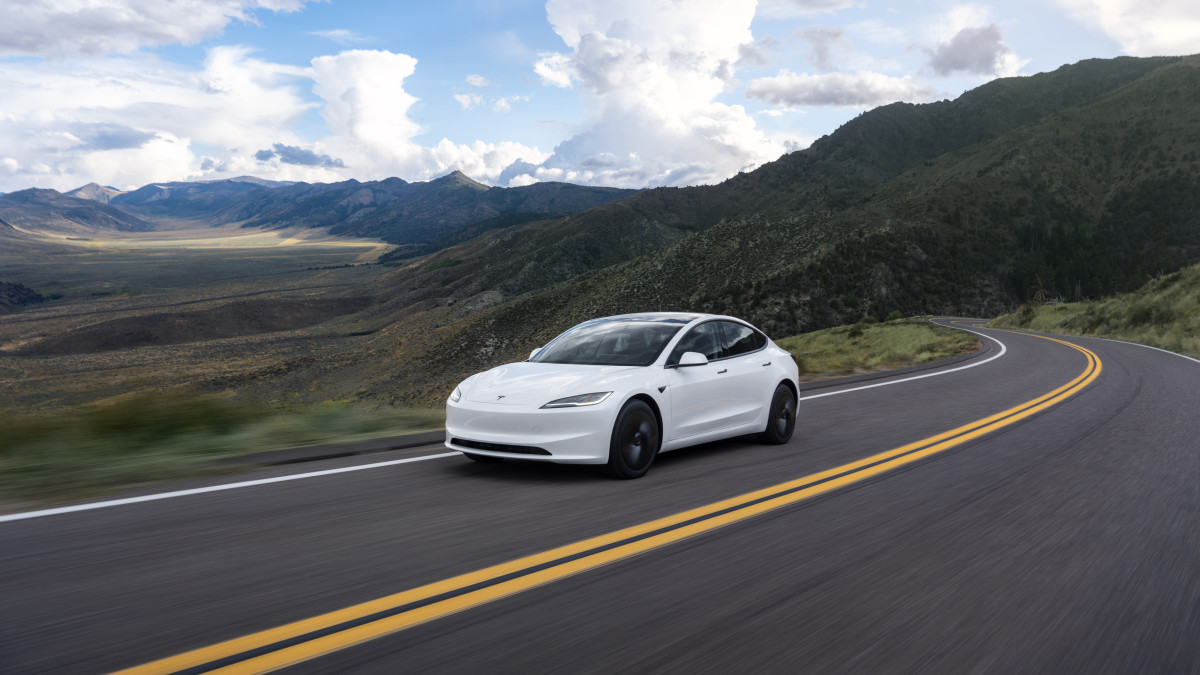
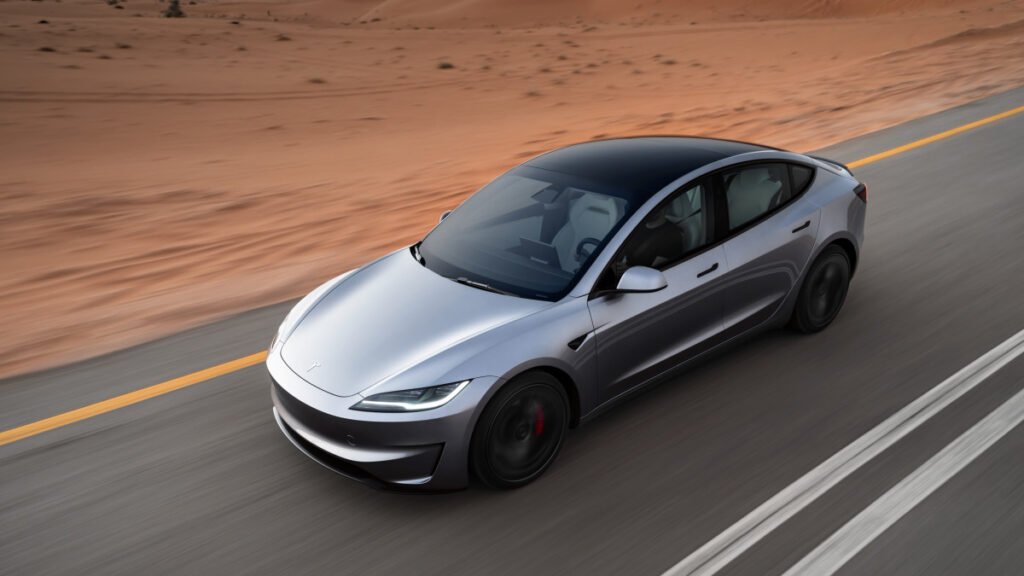
What’s different this time is tone. Rather than settling or quietly contesting claims, Tesla is going on the offensive. In the case surrounding a fatal crash involving a Tesla Model 3, the automaker is actively seeking to dismantle the plaintiff’s central argument.
Tesla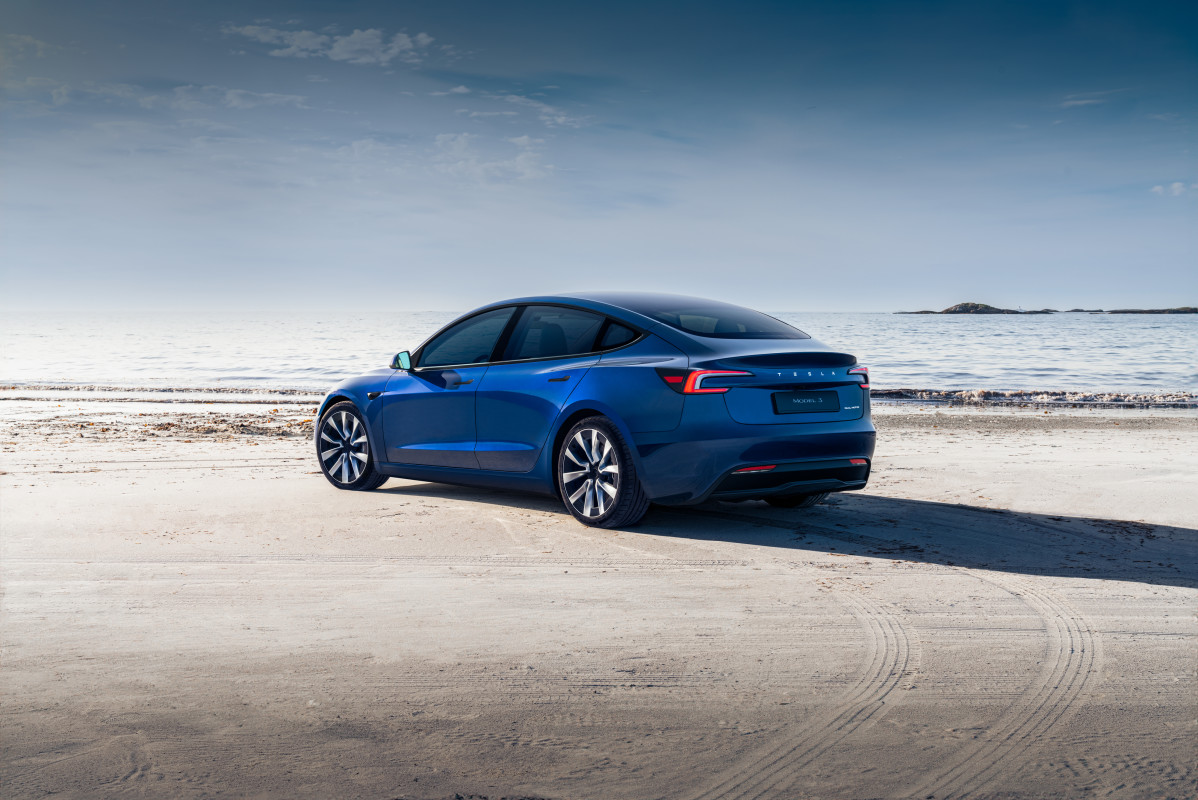
Competing Narratives Around a Fatal Crash
At the center of the lawsuit is Hans Von Ohain, a 33-year-old Tesla employee who died in a 2022 crash while driving a 2021 Model 3. The wrongful death suit, filed by his wife, alleges that a defective Autopilot system caused the vehicle to veer off the road and ultimately crash into a tree, resulting in a fatal fire. The complaint paints a picture of a driver attempting to regain control but being overridden by the vehicle’s own automated systems.
Tesla’s counterargument relies heavily on data. According to findings from the Colorado State Patrol and the vehicle’s event data recorder, Autopilot had been disengaged approximately 10 minutes before the crash. The same data shows the car traveling at 88 mph, well above the speed limit, while toxicology reports indicate a blood alcohol level more than three times the legal threshold.
Tesla is now asking the court to dismiss the case, arguing that the plaintiff’s claims ignore critical evidence and that Autopilot was not a contributing factor.
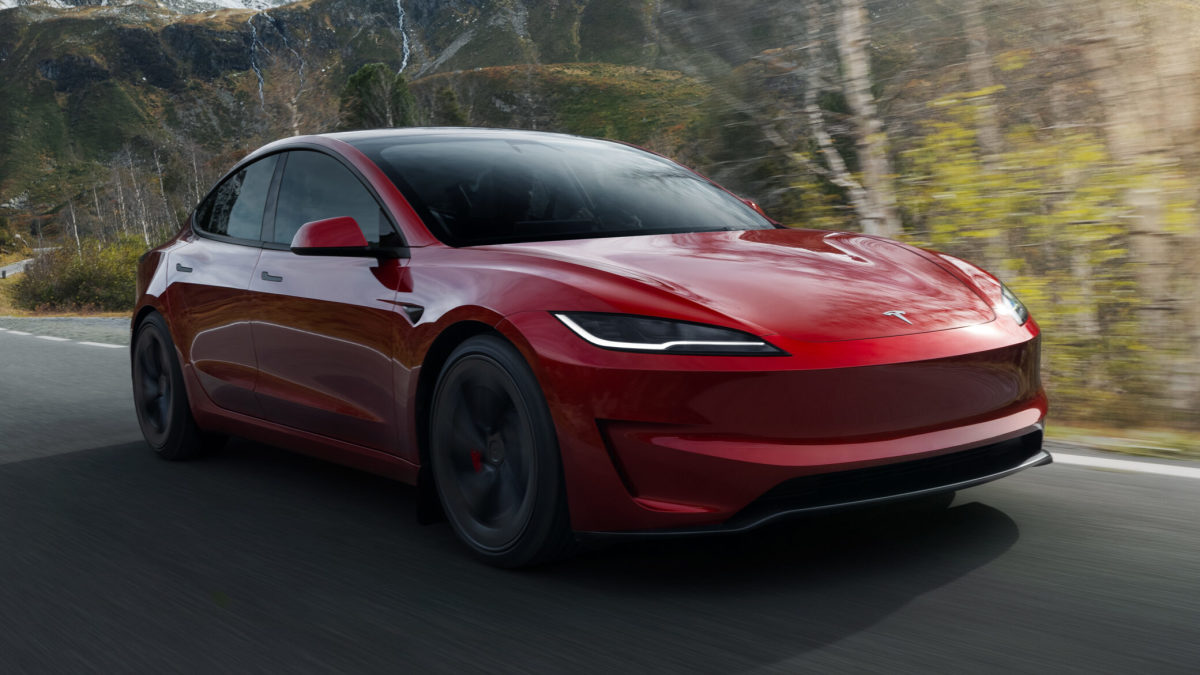
Reputation, Responsibility, and Reality
Tesla’s situation reflects a broader truth about fast-rising tech-driven automakers: scale amplifies scrutiny. The company’s aggressive push into semi-autonomous driving has positioned it as both a pioneer and a target. Each lawsuit, regardless of outcome, feeds into a narrative that questions whether innovation is outpacing accountability. That tension is becoming harder to ignore; even their biggest fans are getting tired.
At the same time, it’s worth acknowledging that disruption rarely comes without friction. Tesla has built an empire by challenging industry norms, but that approach also means missteps are magnified.
If the company can pair its engineering ambition with clearer communication, stronger safeguards, and a willingness to own mistakes where they exist, it has a path to stabilizing its reputation. Otherwise, the courtroom may remain as central to its story as the showroom.
Tesla