Involved: Father and Son
A father and son were driving a 2021 Tesla Model 3 on a Georgia highway on December 23, 2024. The father, Margarret Smith, and his son, Karter Breon Smith, lost control of the vehicle, which then struck a tree in an orchard. The vehicle subsequently burst into flames, leading to the deaths of the two individuals.
Shantorria Herring, the mother of Karter Smith and ex-wife of Margarret Smith, filed a wrongful death civil suit against Tesla, alleging that the accident was caused by faulty features.
According to the lawsuit, the vehicle “veered off the road without warning, slammed into a tree, and then burst into flames.” Following the crash and subsequent fire, the complaint states that both occupants were unable to exit because the powered door handles were “inoperable.”
Tesla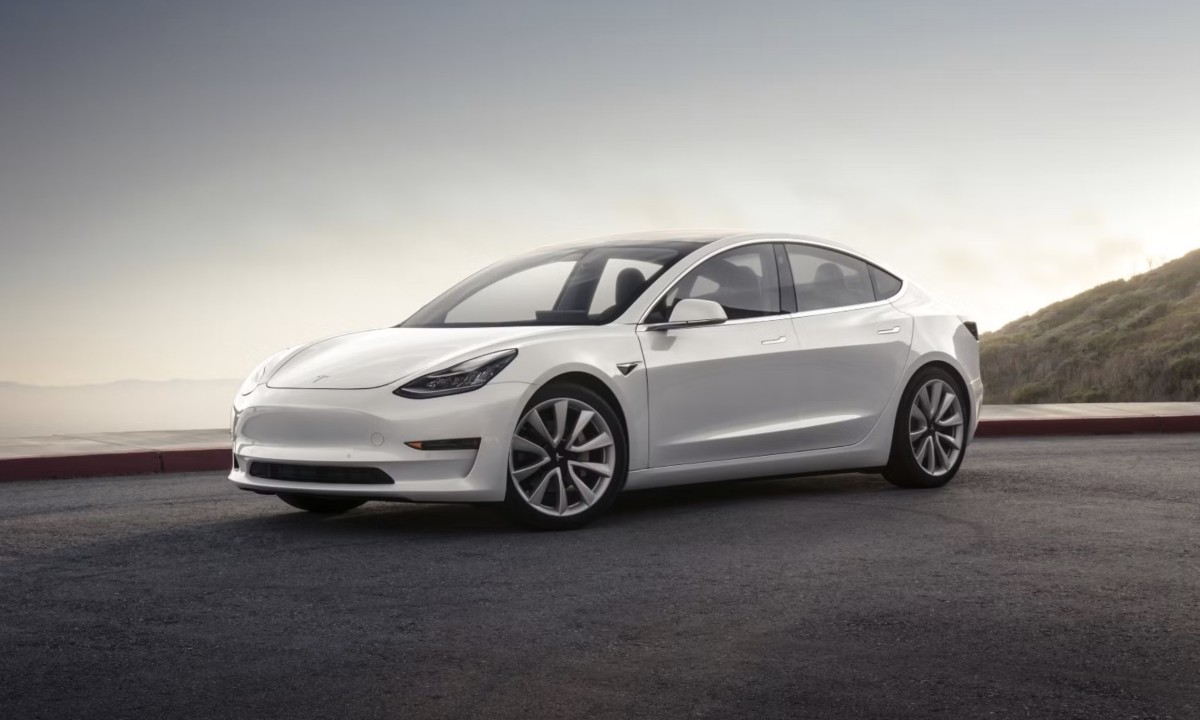
The Crash
Traveling on Highway 35 in Thomas County, the father and son were reportedly using the 2021 Tesla Model 3’s self-driving mode at the time. Shantorria Herring told local media that she believed that her ex-husband fell asleep behind the wheel.
After the Model 3 veered off to the left of Highway 35, it went into a pecan orchard and hit one of the trees. The impact caused the battery to enter “thermal runaway” and burst into flames.
Good Samaritans tried to help, but couldn’t because the Tesla’s doors were “inoperable” after the battery pack sustained damage.
The Claim
As reported by Car Complaints, the plaintiff claims that her son died because the Tesla Model 3 “failed to activate or did not correctly operate to maintain the subject Tesla Model 3 within its lane of travel, failed to detect that the vehicle was departing its lane, did not steer the vehicle back into the driving lane, did not apply corrective steering to keep the vehicle in its intended lane, failed to detect and warn of the stationary object in the path of the vehicle (a tree), caused or failed to reduce the risk of unintended acceleration or failed to activate the brakes to bring the vehicle to a stop, and/or failed to provide audible warnings and autonomous emergency braking to stop the vehicle and prevent it from crashing into the tree.”
Also, the plaintiff alleges that the Tesla’s Event Data Recorder (EDR) stated “‘Accelerator Pedal (%)’ went from 0.0 (with a speed of 63 mph) to 100.0 without any significant change in vehicle speed and without any reported ‘Service Brake’ recording.”
“Autopilot” and/or “self-driving” features were also cited in the complaint, with the plaintiff claiming that the features caused the car to veer off course and hit the pecan tree. Specifically, features like lane departure, auto-steer, and automatic emergency braking features “were either defectively designed or malfunctioned.”
The door handles were also mentioned in the lawsuit, with the plaintiff alleging that both the door handles and the lithium-ion battery pack were defective.
Tesla to Blame?
While self-driving features come with their own set of pros and cons, one can argue that it is also the owner/user’s responsibility to use them in appropriate scenarios. However, there is also the case of the battery pack exploding.
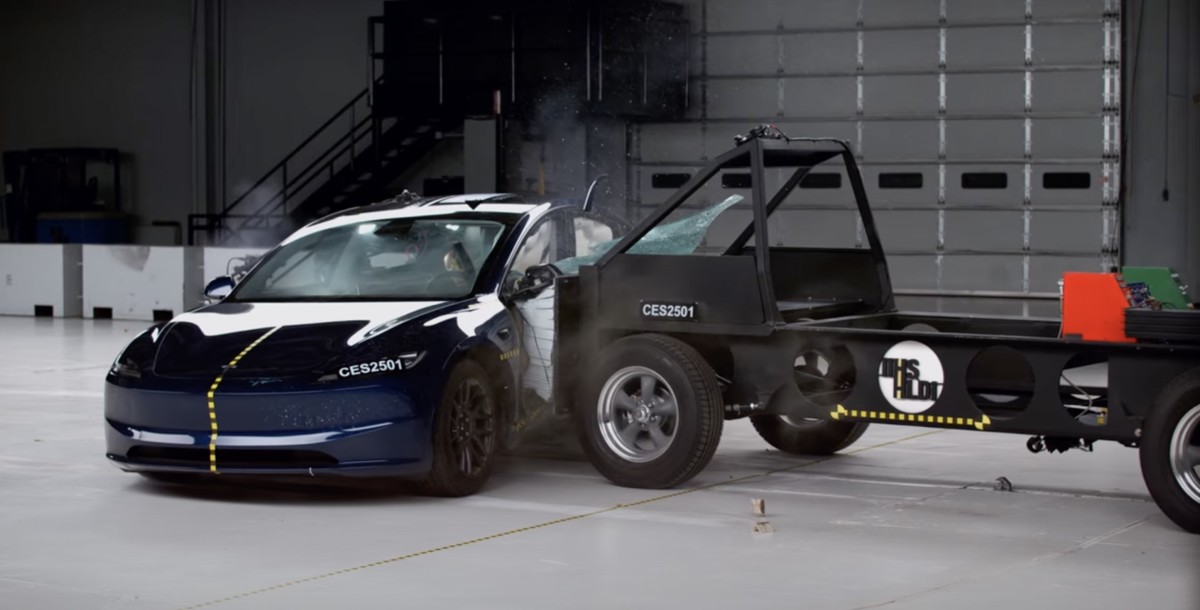
Crash testing for the 2021 Model 3 generally yields good results, so one must wonder: “Just how bad the crash was for the battery pack to burst into flames?” It’s either that or whether the plaintiff’s allegation holds water and there was a defect, or several, present that caused the accident and the deaths of both Margarret and Karter Smith.
There is also the matter of recessed door handles, with countries like China banning them altogether. Not only is it annoying in the winter, but as this case may prove, it’s potentially downright dangerous.