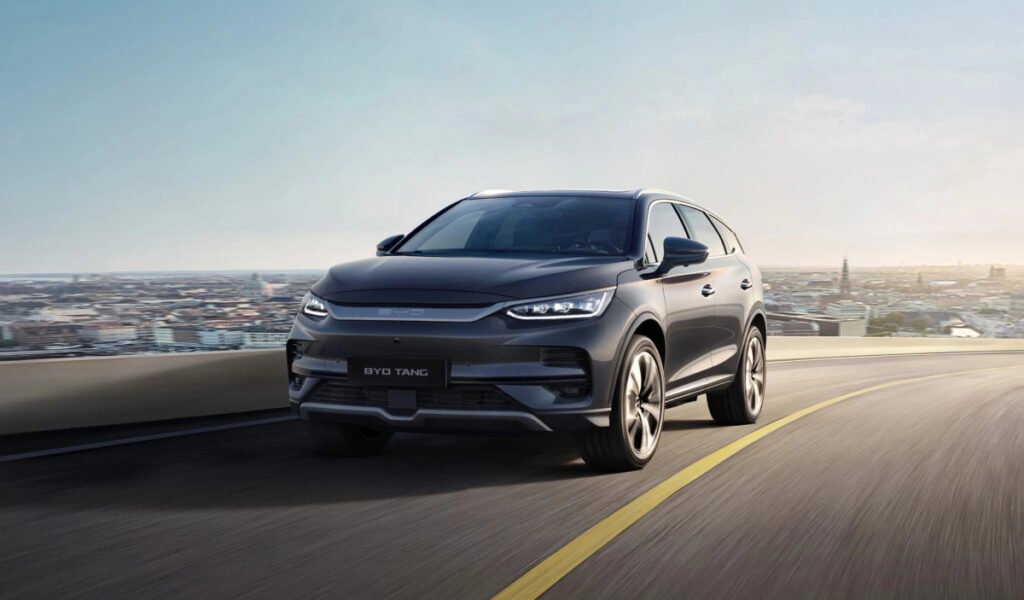
Global EV Sales Have Cooled
The electric vehicle boom has hit a more complicated phase. After years of relentless growth, markets like the United States have shown their first signs of softening. Reports indicate EV sales dipped for the first time in years, a signal that early adopters have largely been captured while mainstream buyers remain cautious. Infrastructure gaps, pricing concerns, and charging anxiety are now more visible friction points.
This cooling effect is not isolated. Automakers across the globe are recalibrating expectations. Even legacy brands that went all-in on electrification are tightening budgets and reassessing timelines. Cost discipline is becoming just as important as innovation. Layoffs, production adjustments, and delayed rollouts are now part of the conversation. The industry is transitioning from a land grab to a margin game.
BYD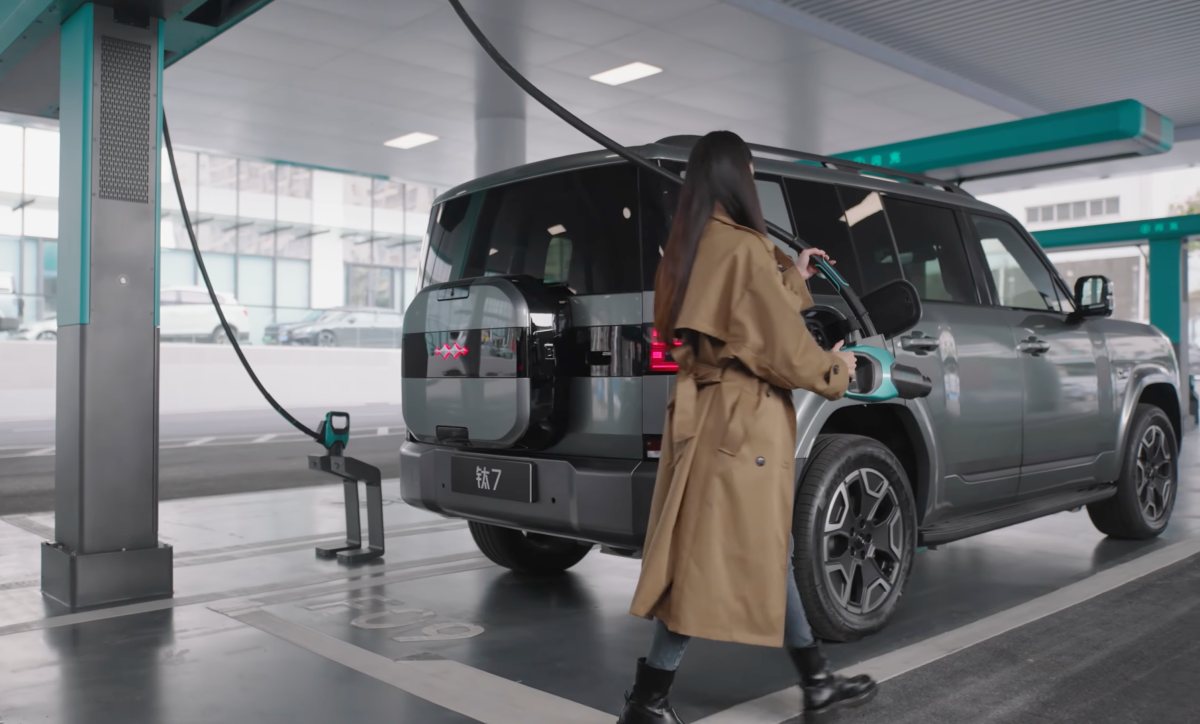
BYD Cuts 100,000 Jobs While Growing Bigger
That said, BYD trimming roughly 100,000 jobs in 2025 sounds dramatic. However, it is more structural than reactive. The company still employs around 870,000 people, meaning the reduction represents about 10 percent of its workforce. BYD attributes the move to restructuring and efficiency gains, not weakening demand. With a number of their dealerships shutting down, that claim, whether 100% accurate or not, is debatable.
The numbers do support that claim. Revenue climbed to 8,039.6 billion yuan, or about 1.12 trillion USD. Deliveries reached 4.60 million vehicles, with exports surpassing one million units for the first time, and the company has even leapfrogged Ford in global sales for the first time.
Yet profitability tells a different story. Net income fell 19 percent to 326.2 billion yuan as pricing pressure intensified in China’s hyper-competitive NEV market. At the same time, BYD maintained aggressive R&D spending of 634 billion yuan, funding advancements like Blade Battery 2.0 and its rapid flash charging capability.
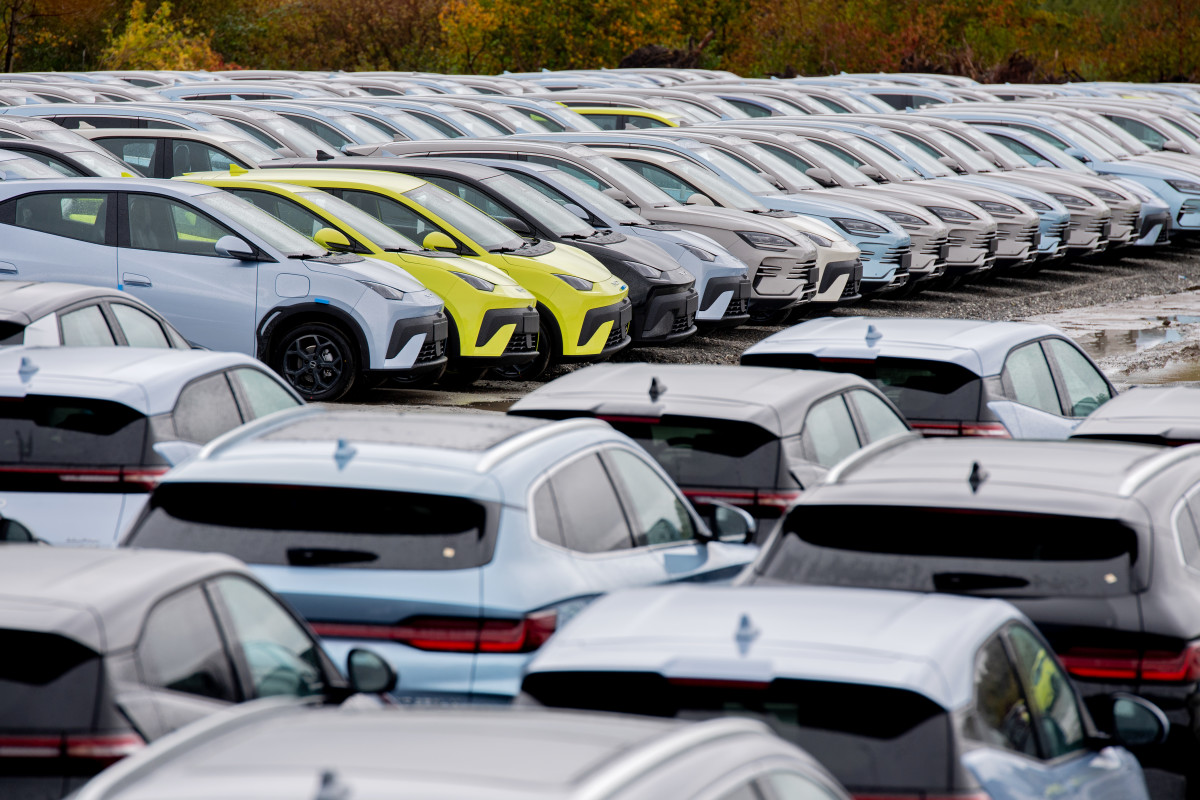
Rachen Sageamsak/Xinhua via Getty Images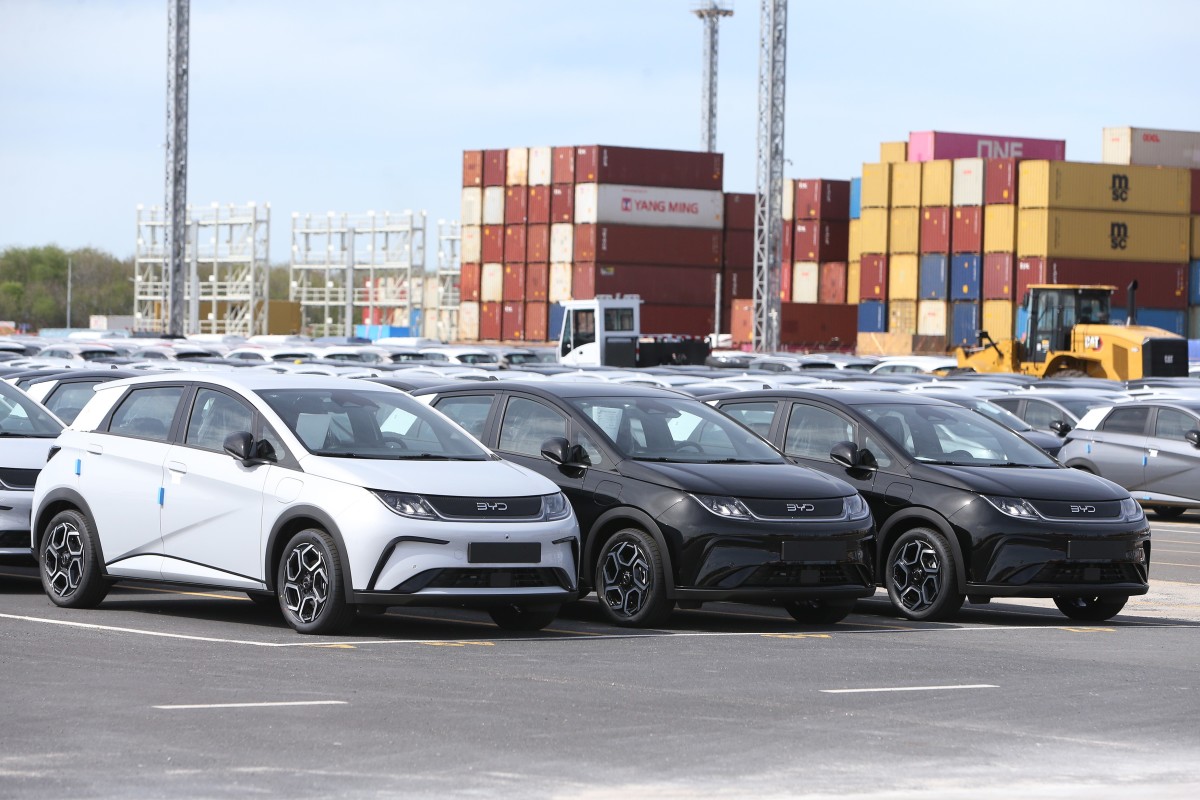
What Comes Next
Not everyone is pulling back. Leaders like General Motors continue to push electrification as an inevitability despite short-term turbulence. The argument is straightforward. Regulatory pressure is not easing. Battery costs will continue to fall. Infrastructure will catch up. From that perspective, today’s slowdown is a pause, not a reversal.
Others are hedging. Hybrids are making a strong comeback. Investment is being spread across multiple powertrains instead of betting purely on EVs. BYD sits in an interesting middle ground. It is doubling down on technology and exports while tightening internal efficiency. The job cuts are not a red flag. They are a signal that the next phase of the EV race will not be won by volume alone. It will be won by who can scale profitably.
Hauke-Christian Dittrich/picture alliance via Getty Images